
What ISO 22241 Standards Cover (Parts 1–3 Explained)
diesel exhaust fluid quality control plays a crucial role in reducing emissions from diesel-powered vehicles. It is essential for the operation of Selective Catalytic Reduction (SCR) systems, which help reduce nitrogen oxide (NOx) emissions, contributing to cleaner air. However, in order to ensure that diesel exhaust fluid quality control performs optimally, it must be subjected to rigorous quality control measures. This guide will delve into the key standards and testing methods for diesel exhaust fluid quality control, specifically focusing on ISO 22241 compliance and essential test parameters.
What ISO 22241 Standards Cover (Parts 1–3 Explained)
ISO 22241 is the international standard that governs the quality of diesel exhaust fluid quality control, covering production, storage, and handling to ensure the fluid remains effective in SCR systems. The ISO 22241 standard is divided into several parts, each focusing on a different aspect of diesel exhaust fluid quality control:
ISO 22241-1: This section outlines the general requirements for diesel exhaust fluid quality control, including specifications for the urea content and purity. It also emphasizes the need for appropriate storage conditions to prevent contamination.
ISO 22241-2: Focused on the storage and handling requirements for diesel exhaust fluid quality control, this section provides guidelines on ensuring the fluid is kept at optimal conditions, avoiding contamination and degradation during storage and transportation.
ISO 22241-3: This part deals with the testing methods for assessing diesel exhaust fluid quality control, including techniques for measuring urea concentration, pH levels, and other essential parameters.
Key Quality Parameters to Test
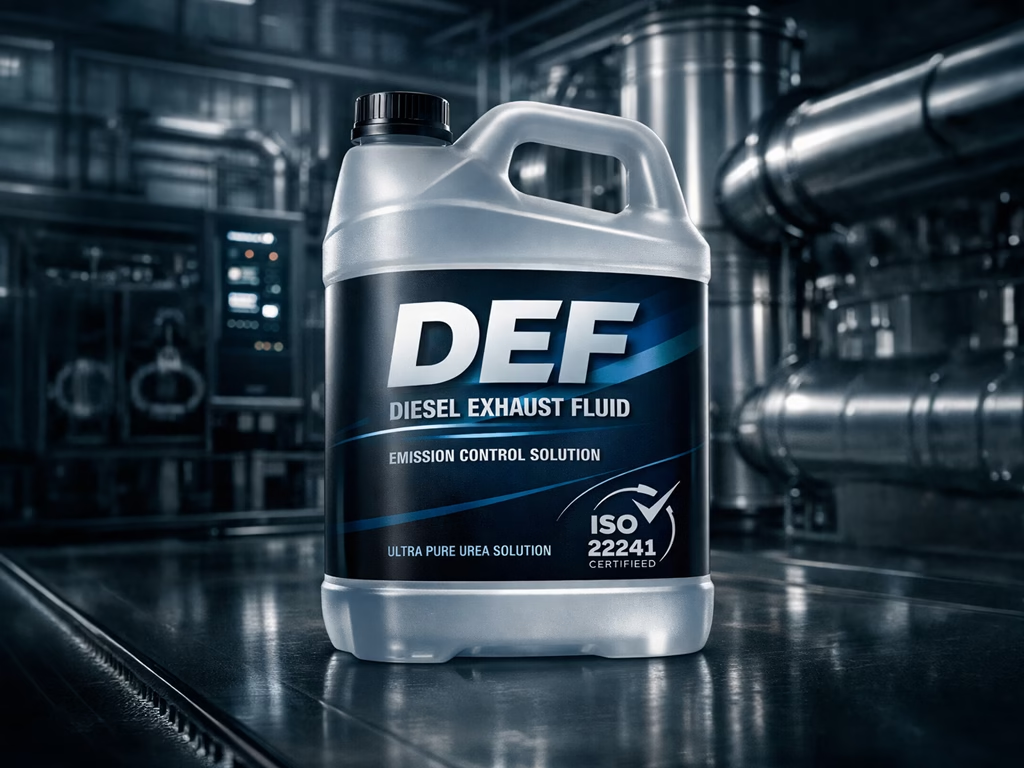
To ensure diesel exhaust fluid quality control meets ISO 22241 standards and works effectively in SCR systems, several key quality parameters must be regularly tested. These tests help verify that the diesel exhaust fluid quality control is of the right composition and free from contaminants that could compromise the efficiency of the SCR system.
Urea Content & Density Measurement
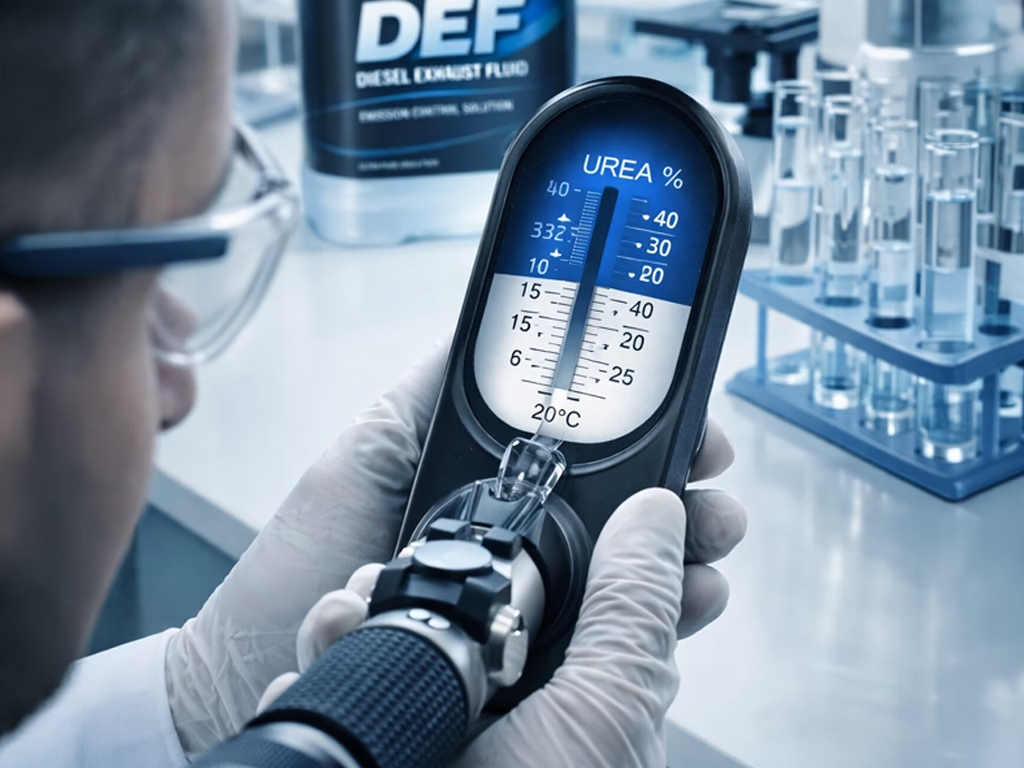
One of the primary indicators of diesel exhaust fluid quality control is its urea content. Urea is the active ingredient that reacts with NOx in the exhaust gases, helping to convert harmful emissions into harmless nitrogen and water vapor.
Urea Content: diesel exhaust fluid quality control must contain 32.5% urea by weight, with the remainder being deionized water. Deviation from this concentration can lead to ineffective emission reduction and potential damage to the SCR system. Therefore, measuring urea content is essential in maintaining diesel exhaust fluid quality control.
Density Measurement: Density is another important parameter that indicates whether the DEF quality control is within the correct urea concentration range. A density of around 1.09 g/cm³ is typically expected for high-quality DEF quality control. Deviations from this value can signal impurities or incorrect urea content, making density measurement a critical part of quality control.
Testing methods for urea content and density often involve refractometers and hydrometers, which are both precise and quick methods for determining the diesel exhaust fluid quality control’s composition.
Contaminant Limits & Test Techniques
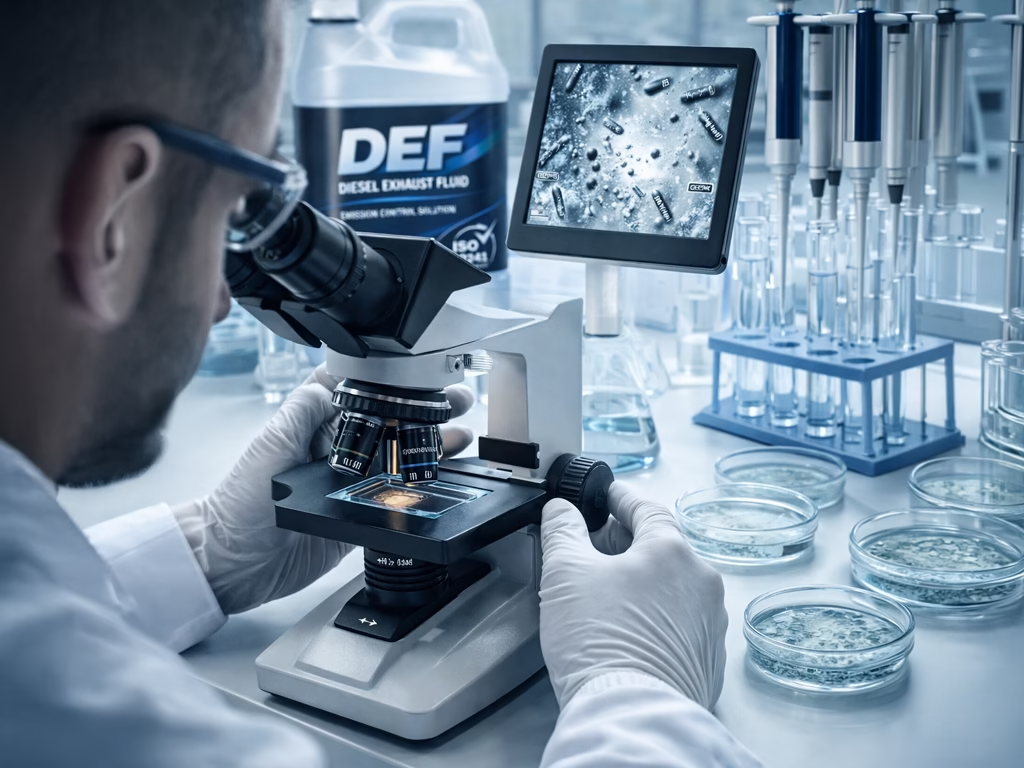
Contamination is a major concern in diesel exhaust fluid quality control, as impurities can harm both the SCR system and the vehicle’s engine. DEF quality control can be contaminated during manufacturing, transportation, or storage, with common contaminants including oils, metals, and microorganisms.
Contaminant Limits: ISO 22241 establishes strict limits for contaminants in DEF quality control . For example, the presence of metals such as copper or iron can lead to the degradation of the SCR catalyst, which in turn reduces the effectiveness of the emission control system.
Test Techniques: Several methods are used to test for contamination, including:
- Visual Inspection: Defects like particles or cloudiness are visible signs of contamination.
- Chemical Analysis: Laboratory tests, such as spectrometry or chromatography, help identify the presence of contaminants at trace levels.
- Microbial Testing: Microbial contamination can cause DEF quality control to degrade and lose its effectiveness. Regular microbial testing is therefore essential to prevent damage to SCR systems.
Conclusion
Maintaining DEF quality control through rigorous quality control measures is essential for ensuring the proper functioning of SCR systems and compliance with emission regulations. The standards outlined in ISO 22241, including parts 1–3, offer a comprehensive framework for assessing DEF quality control through urea content and density measurements, as well as contaminant testing. By adhering to these standards and regularly performing the necessary tests, fleet operators and manufacturers can ensure the longevity of their vehicles’ emission systems while contributing to a cleaner environment.
Implementing these quality control measures is not only important for regulatory compliance but also for the operational efficiency and cost-effectiveness of diesel-powered vehicles. Always ensure that DEF quality control meets the prescribed standards to maximize the performance of the SCR system and avoid costly repairs.
By focusing on the right parameters and employing accurate testing methods, you can be confident that the DEF quality control used in your vehicles is of the highest quality, reducing emissions and safeguarding the environment.
If you want to ensure your diesel exhaust fluid meets the highest standards of quality, look no further than Atmosfer Makina. As a trusted provider of high-quality DEF solutions, we offer products that are compliant with ISO 22241, ensuring your SCR systems function effectively and your vehicles run cleaner.
At Atmosfer Makina, we prioritize both performance and sustainability, delivering solutions that help reduce emissions and maintain the longevity of your engine. Our DEF products are meticulously tested for purity, urea content, and contaminants, adhering to the strictest quality control measures to provide maximum efficiency.
Whether you’re managing a fleet or looking for a reliable DEF provider, our products and expertise can make a real difference in your operation. Join the growing number of customers who trust us to meet their emissions control needs. Visit Atmosfer Makina today to learn more about our DEF solutions and how we can support your efforts in reducing environmental impact while maintaining top-notch vehicle performance.
Contact us now and take the first step towards cleaner emissions and better vehicle maintenance with Atmosfer Makina.
