
In recent years, the need for cleaner and more efficient technologies has increased across all sectors, especially in the automotive and industrial industries. A critical aspect of maintaining environmental standards in modern diesel engines is the use of Diesel Exhaust Fluid (DEF). This fluid has become essential in reducing harmful emissions, improving fuel efficiency, and extending the life of diesel engines.
In this article, we will explore how DEF works in modern diesel engines, its impact on diesel engine performance, fuel economy, and longevity, and address common misconceptions about its use in these advanced systems.
How DEF Reduces Harmful Emissions
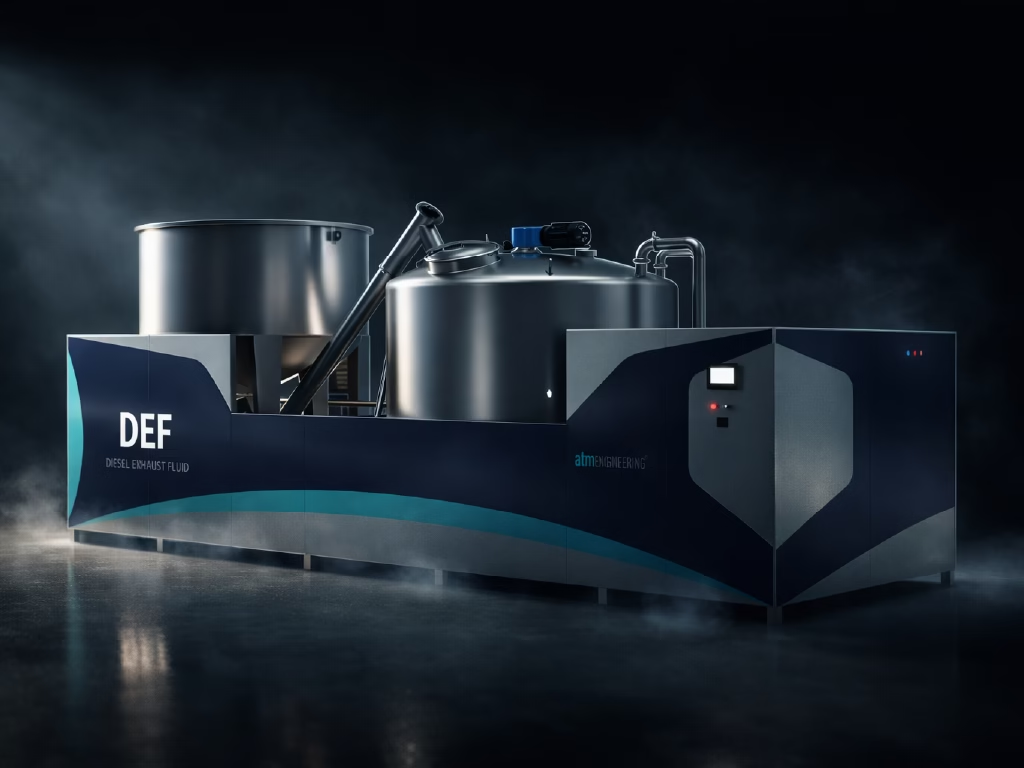
One of the main challenges with diesel engines is the production of nitrogen oxides (NOx), which are harmful pollutants contributing to air pollution. Diesel engines, due to their high efficiency and power, tend to produce these emissions at higher rates compared to gasoline engines. While diesel engines are known for their fuel efficiency and longevity, they also generate greater amounts of NOx, which can have detrimental effects on the environment and public health. In response to this issue, modern diesel engines rely heavily on Diesel Exhaust Fluid (DEF) to mitigate these harmful emissions.
DEF plays a crucial role in combating this problem through a process called Selective Catalytic Reduction (SCR). SCR technology is designed to reduce NOx emissions by converting them into harmless nitrogen and water vapor. The SCR system works by injecting DEF, a mixture of urea and deionized water, directly into the exhaust stream of modern diesel engines. The DEF is then converted into ammonia, which reacts with the nitrogen oxides in the exhaust gases, transforming them into nitrogen and water vapor. This process significantly reduces NOx emissions and ensures that the engine meets stringent environmental regulations, making it a vital component of sustainable diesel technology.
In addition to its role in reducing harmful emissions, DEF helps modern diesel engines run more efficiently by promoting optimal combustion. By keeping the engine’s exhaust system clean and ensuring proper operation of the SCR system, DEF contributes to a more complete combustion process. This not only reduces NOx emissions but also improves overall engine performance, fuel efficiency, and longevity. The integration of DEF into modern diesel engines is essential for achieving cleaner air and maintaining the engine’s optimal functioning over time.
When DEF is injected into the exhaust stream of modern diesel engines, it reacts with the NOx gases in the SCR catalyst. This reaction reduces NOx emissions by up to 90%, significantly improving air quality. As a result, DEF helps diesel vehicles and machinery meet stringent emission regulations, ensuring that they remain compliant with environmental standards.
The Impact of DEF on Fuel Economy and Engine Longevity
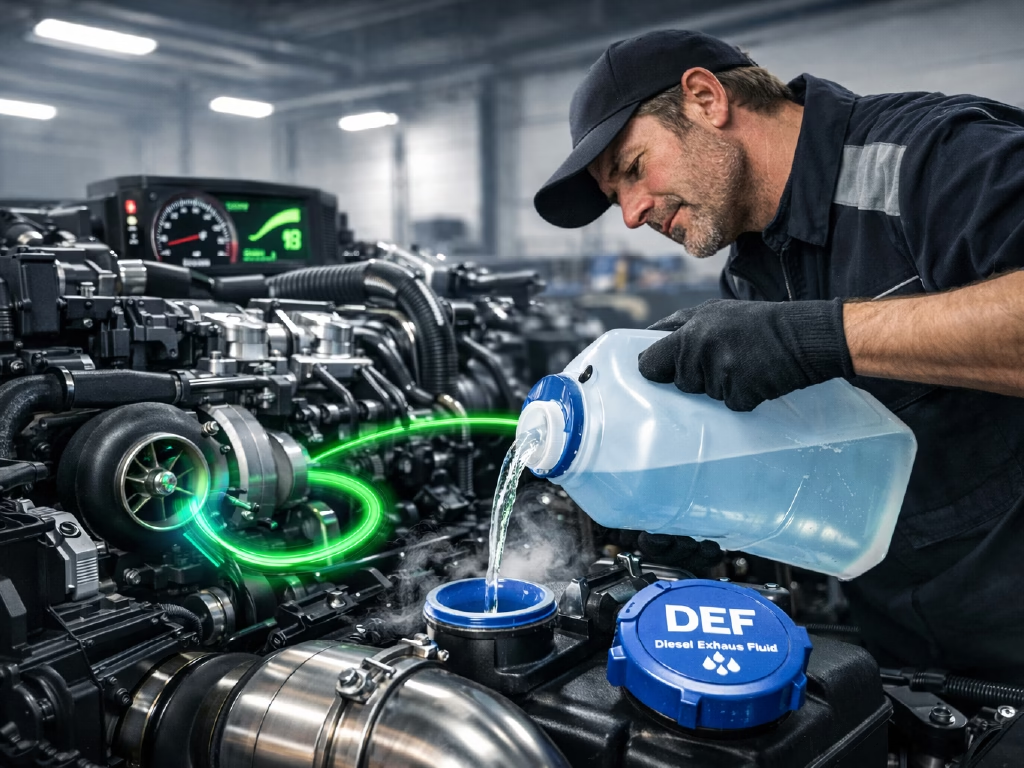
DEF not only helps reduce harmful emissions but also has a significant positive impact on both the fuel economy and the longevity of modern diesel engines. The addition of DEF into the exhaust system is crucial for improving engine performance. By minimizing the production of harmful nitrogen oxides (NOx), DEF ensures that the engine can operate efficiently without overburdening its components. As the DEF reacts with NOx in the Selective Catalytic Reduction (SCR) system, it helps achieve cleaner combustion, which in turn allows the engine to run at optimal temperatures. These optimal conditions are essential for improving fuel efficiency, as they minimize the energy losses typically associated with improper combustion processes.
The SCR system, fueled by DEF, ensures that the engine’s combustion process is not only cleaner but also more efficient. This improved combustion process directly translates into enhanced fuel consumption, making the engine more fuel-efficient over time. As a result, operators will notice a decrease in fuel consumption and better overall fuel economy, which leads to substantial cost savings, especially for businesses relying on heavy-duty diesel equipment. The impact of DEF on fuel economy is significant, allowing modern diesel engines to operate at their full potential with minimal waste.
In addition to better fuel efficiency, the use of DEF can significantly extend the lifespan of a modern diesel engine. Diesel engines that run without DEF or SCR systems often face higher levels of engine stress due to unregulated emissions. This strain leads to faster wear and tear on engine components, resulting in costly repairs or early engine replacement. By using DEF, the SCR system reduces the production of harmful emissions, preventing unnecessary damage to engine parts. Components like the turbocharger, exhaust valves, and piston rings experience less wear, as the engine’s operating conditions become more stable and efficient.
Furthermore, regular use of DEF ensures that the entire emissions control system remains fully functional. This maintenance of the emissions system reduces the likelihood of expensive breakdowns or costly repairs that may otherwise arise from neglected emission control components. When DEF is regularly refilled, the engine’s performance stays optimal, reducing the likelihood of the engine’s exhaust system becoming clogged or malfunctioning. This proactive maintenance approach ensures long-term engine reliability and saves significant amounts of money in repairs, while extending the modern diesel engine’s operational lifespan.
Common Misconceptions About Diesel Exhaust Fluid

Despite the numerous benefits of DEF, there are several misconceptions surrounding its use. One of the most common myths is that DEF is only necessary for newer diesel engines. In reality, many older diesel engines can also benefit from the use of DEF, as it helps reduce emissions and improve engine performance. However, the use of DEF is mandated in vehicles and machinery that are equipped with SCR technology, which is common in modern diesel engines designed to meet stringent emission standards.
Another misconception is that DEF will negatively affect the engine’s performance. Some diesel vehicle owners fear that DEF will reduce power or cause other issues. In truth, when used correctly, DEF has no adverse effects on engine performance. On the contrary, it helps the engine run more efficiently and improves fuel economy.
Lastly, some believe that DEF is difficult to handle or expensive to maintain. While DEF needs to be replenished regularly, it is relatively inexpensive, and refilling it is a straightforward process. Most modern diesel engines are equipped with a DEF tank that is easy to access, and refilling is similar to topping up the vehicle’s fuel. Additionally, DEF consumption is generally low, meaning that the overall cost of using DEF is minimal compared to the long-term benefits it offers.
In conclusion, DEF plays an essential role in the performance and sustainability of modern diesel engines. By significantly reducing harmful emissions, improving fuel efficiency, and extending the life of the engine, DEF is a vital component for maintaining cleaner and more efficient diesel technology. As the demand for greener technologies continues to rise, the use of DEF will become increasingly important in ensuring that diesel engines remain a reliable and environmentally friendly choice.
Why Choose DEF for Your Diesel Engine?
Maintaining the optimal performance of your diesel engine has never been easier. DEF is an effective solution that helps your engine comply with environmental regulations, enhance fuel efficiency, and increase its longevity. If you’re looking to optimize your diesel engine performance, consider incorporating DEF into your maintenance routine. For more information about DEF and to find high-quality products, visit Atmosfer Makina today.
