Production line cross-contamination occurs when an unintended substance enters a product through shared equipment, materials, utilities or handling activities. Controlling it requires a connected system: separate incompatible product routes, identify retained residues, verify cleaning against defined limits, and authorize the next batch only when the evidence supports release. Changing a recipe on the control panel does not establish that the physical production path is ready.
For a multi-product production facility, the central decision is which assets can be shared without compromising the next product. Products that mix safely can still contaminate one another beyond an acceptable specification. Conversely, a residue that appears insignificant from a quality perspective may create a chemical compatibility concern. The practical starting point is therefore a product-to-product changeover assessment covering the complete route from raw material receipt to final filling, with particular care where high-purity diesel exhaust fluid (DEF), including AdBlue®, is produced.
Where Cross-Contamination Occurs During Product Changeover
Contamination usually enters the next batch through retained material, an incorrect transfer route, or equipment that was excluded from the changeover procedure. The review must extend beyond the main mixing tank to temporary hoses, utility connections, filling equipment and containers. A useful assessment follows three questions: what can remain, how can it reach the next product, and what evidence will detect or prevent that transfer?
Tanks, pipelines, valves, pumps and dead zones
A dead zone is an area where liquid movement or drainage is insufficient to exchange material effectively. Potential locations include unused branches, low pipe sections, valve cavities and instrument connections. Review these locations against the installed arrangement rather than relying only on a process drawing. A drain valve may empty a vessel while leaving a pump casing or downstream hose partly full. Maintenance modifications can also introduce new retention points that the original cleaning procedure never addressed.
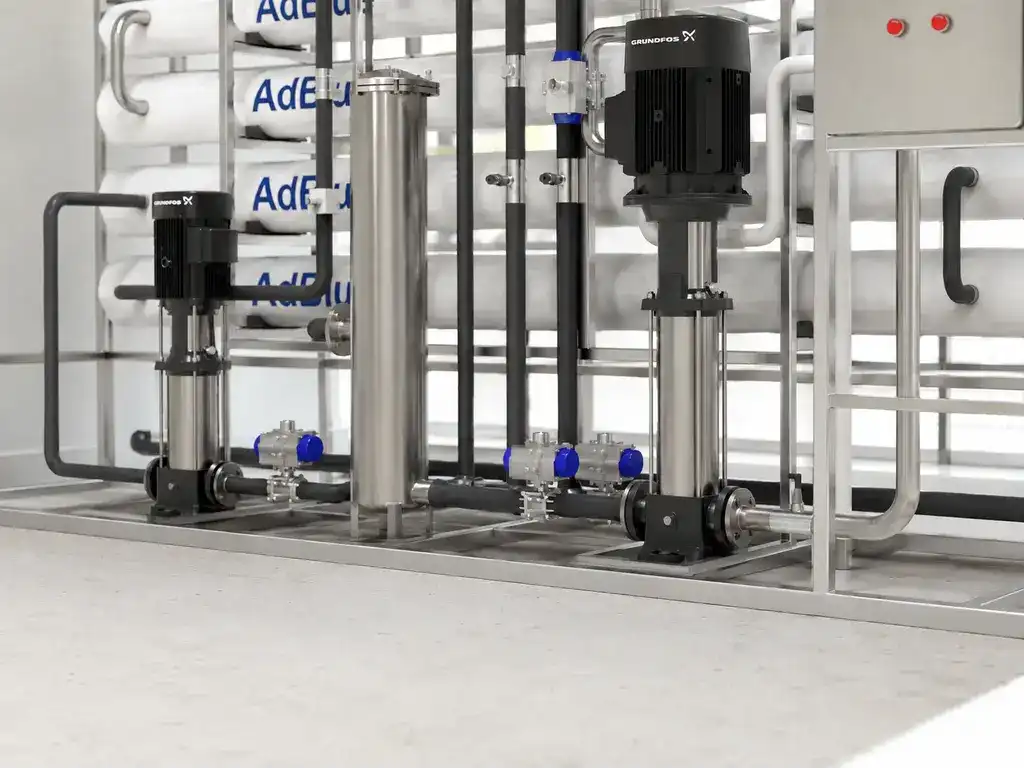
Assess residues by their behavior in the next formulation. A remaining film might dissolve immediately, detach later, or remain concentrated near the first discharge. For engineering review, consider viscosity, solubility, drying behavior, contact materials and the time between batches. Check seals and flexible connections as well as metallic surfaces. The question is whether the actual product-contact assembly can be emptied, cleaned and inspected using the proposed procedure, including components that are difficult to access.
| Location | Changeover concern | Practical review point |
|---|---|---|
| Tank outlet and internals | Retained film or pooled product | Drainability and cleaning coverage |
| Pipe branches and instruments | Limited exchange with cleaning flow | Actual routing and accessible checks |
| Valves and pump housings | Residue in cavities or seals | Cleaning method for internal surfaces |
| Hoses and transfer connections | Previous service or wrong destination | Identity, condition and cleaning status |
| Filling manifolds and nozzles | Carryover into early containers | Inclusion in changeover and sampling |
Define the boundary through the final product-contact point. A clean mixer cannot establish the condition of a separate buffer tank or filling manifold. When reviewing filling, capping and labeling equipment, distinguish packaging format changes from product-contact cleaning. Container positioning and cap settings may change correctly while liquid remains inside the filling circuit. Assign responsibility for both activities so that neither is assumed to belong to another team.
Raw material transfer and operator-related contamination risks
Start transfer controls with material identity, grade, lot and release status. Similar packaging or a shared chemical name should not substitute for an approved material specification. Review unloading points, dispensing tools, return containers and temporary connections. A hose used for another product needs a documented service history and an approved reuse decision. Dedicated tools also require protected storage; assigning a tool to one product does not keep its exposed surfaces clean automatically.
Operator-related risks should be treated as design and workflow issues. Clear connection identification, verified destinations and controlled access make the correct action easier to perform. Include shift handovers, maintenance contractors and interruptions in the assessment. The UK Health and Safety Executive identifies incorrect labeling, inadequate inventory control and leaks reaching common sumps or manifolds among relevant hazards in its guidance on segregation of hazardous materials. These considerations also make waste and drainage routes part of the changeover review.
For AdBlue contamination prevention, protect purity beyond the production vessel. ISO 22241-3:2017 on AUS 32 handling, transportation and storage addresses preserving specified quality from production through filling into the end-use tank. Accordingly, assess transfer equipment, storage and dispatch together. Do not assume that equipment suitable for another aqueous chemical is suitable for DEF. Contact-material suitability, previous contents and cleaning evidence need to be evaluated for the intended service.
How to Design a Safe Multi-Product Production Process
A defensible process starts with a product compatibility assessment and assigns each transition an approved equipment route, cleaning method and release decision. Automation then enforces those decisions within the capabilities of the installed system. Atmosfer Engineering’s multifunctional production facility offering provides a starting point for discussing production requirements, but any proposed combination of products needs its own technical assessment. A multifunctional machine designation does not establish that every formulation can share its wetted components.
Dedicated circuits, automated recipes and validated cleaning
Build a transition matrix listing the outgoing and incoming products. Evaluate each direction separately: the consequences of residue from product A entering product B may differ from the reverse transition. Consider reaction hazards, the incoming product’s impurity tolerance, residue removability, available analytical methods and equipment compatibility. Include cleaning agents as substances requiring assessment. Chemical compatibility and product purity are separate acceptance questions. A transition should satisfy both before production scheduling treats it as an available option.
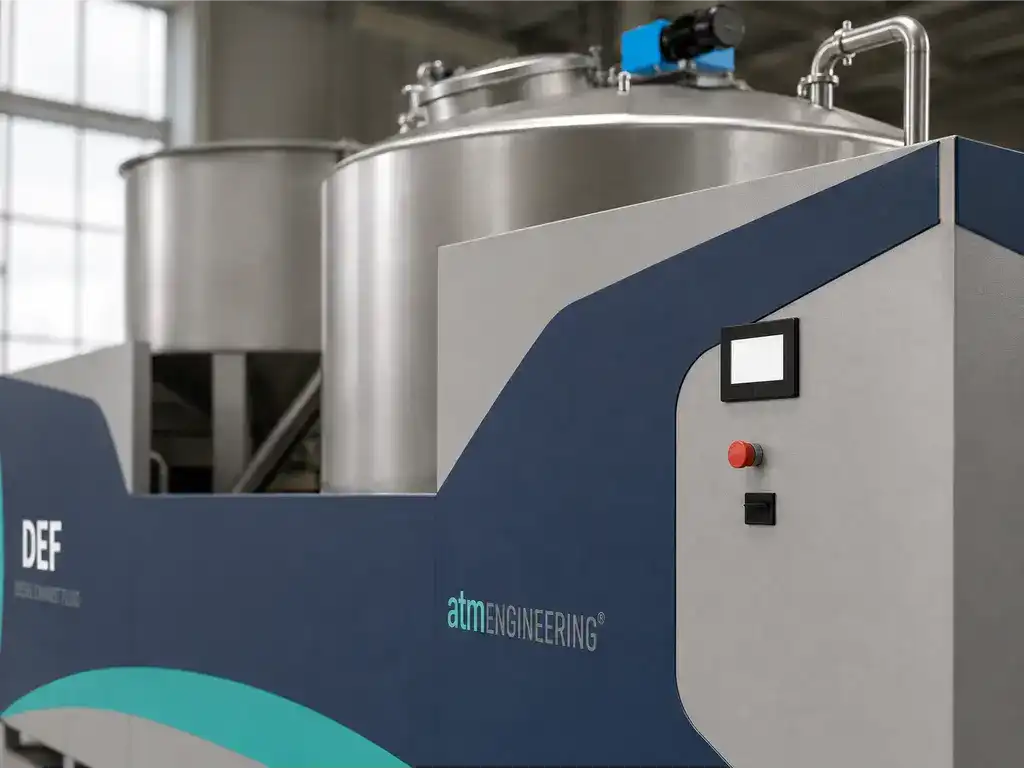
Use dedicated circuits where the consequences of carryover are unacceptable or where cleaning cannot be demonstrated reliably. Dedication may apply to an entire production train or selected components such as hoses, pumps and filling heads. For high-purity service, assess whether upstream sharing defeats downstream separation. Two dedicated filling outlets supplied by the same inadequately controlled buffer tank still share a contamination pathway. Specify the isolation boundary and how its condition will be checked during operation and maintenance.
A shared chemical production line is a candidate only when the proposed transitions can be supported by compatibility review, cleanable construction, suitable testing and manageable operating controls. Compare the lifecycle implications of sharing and dedication. Include cleaning materials, water, waste handling, laboratory turnaround, downtime and quarantined storage when estimating usable capacity. Campaign scheduling may reduce the number of changeovers, but it does not remove the need to qualify each transition that remains in the production plan.
Automated recipes should connect formulation selection with equipment readiness. Define which checks the system must complete before permitting material transfer: approved material identity, the intended destination, an eligible equipment status and completion of required cleaning steps. Where valve feedback is installed, distinguish a commanded position from the confirmed position. Specify controlled recipe revisions, access permissions and handling of overrides. These are requirements to discuss with the automation supplier, not capabilities to assume from the presence of a touchscreen.
Cleaning validation establishes evidence that a defined procedure works consistently for its intended use. Routine verification checks whether an individual changeover met the established conditions. Design the validation around challenging product transitions, realistic dirty hold times and the surfaces most difficult to clean. The US FDA’s pharmaceutical inspection guide, Validation of Cleaning Processes, explains that rinse samples can miss insoluble or trapped residues and that sampling recovery and analytical sensitivity affect interpretation. These are useful methodological principles; pharmaceutical requirements should not be presented as universal chemical manufacturing law.
Define the cleaning sequence, permitted operating conditions, required utilities and endpoint before qualification trials begin. Cleaning-in-place, or CIP, circulates cleaning media through installed equipment without routine dismantling of the entire circuit; it still requires evidence that the intended surfaces are reached. Where a component cannot be adequately cleaned in place, evaluate a documented alternative. Atmosfer Engineering’s guide to CIP cleaning validation for AdBlue production lines provides further context for DEF-specific cleaning, while the transition matrix determines which procedure applies between different products.
Expert Note: Base the sharing decision on the installed line and the planned product sequence. Changes to pipe routing, seals, cleaning utilities or formulations can invalidate earlier assumptions. Qualified process, quality and safety personnel should review these changes before the affected transition is returned to routine use.
Changeover records, sampling and product release criteria
A changeover record should reconstruct what actually happened, including deviations. Link the outgoing batch, incoming batch, equipment route, cleaning procedure revision, critical operating records and responsible personnel. Include temporary connections and maintenance performed between products. Record the sampling locations and times, methods, results and authorization decision. When an automated record exists, check that it captures incomplete cycles and overrides as well as successful completion; a time stamp alone is not evidence that every prerequisite was satisfied.
Select samples to answer specific questions about the transition. An equipment sample addresses cleanliness at a defined location, while a product sample addresses material taken at a defined production stage. Plan for the possibility of localized carryover at startup and use a sampling strategy justified by that risk. Choose suitable containers and handling conditions for the intended analysis. An apparently clean result has limited value if the sample location, handling or analytical capability does not match the contaminant being assessed.
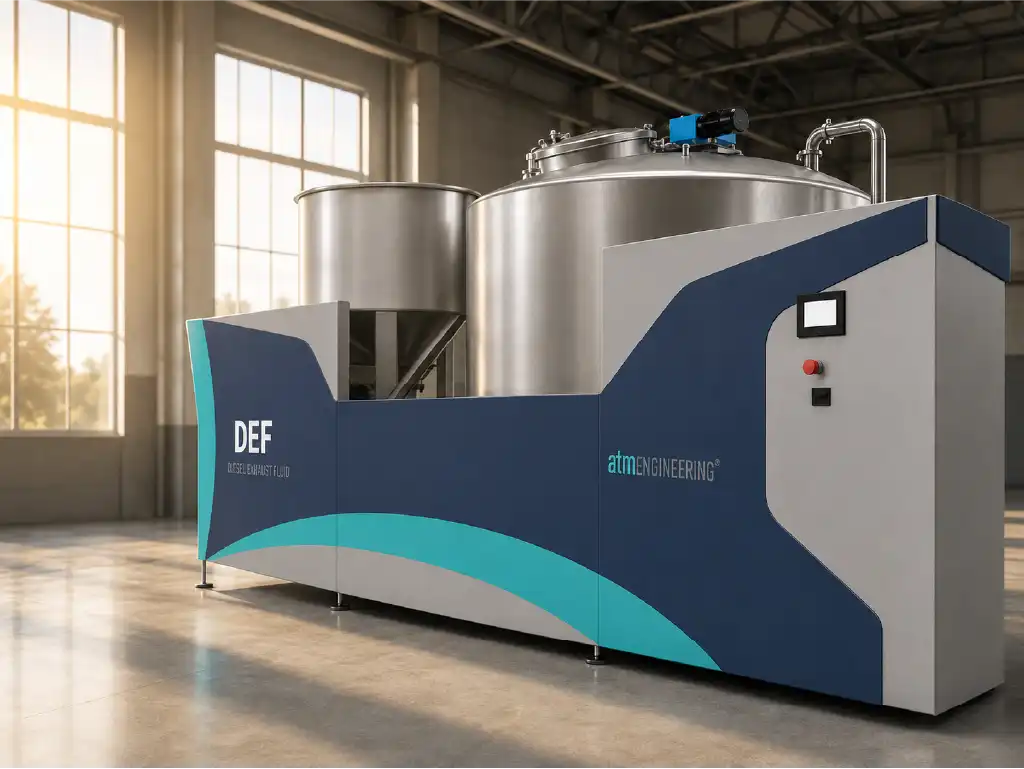
Set acceptance criteria before reviewing release results. Define the relevant contaminants, their justified limits, suitable analytical methods and the response to an unacceptable or inconclusive result. Base limits on the incoming product’s requirements, customer specifications and the applicable technical framework. Do not substitute an arbitrary universal residue limit. Likewise, a general process indicator should support release only where its ability to detect the contamination of concern has been demonstrated for the intended application.
Keep equipment release and batch release distinct. Passing a cleaning check permits the authorized next operation; it does not establish every property of the finished product. Hold affected material when a deviation remains unresolved, investigate the cause and document the disposition. Trend repeated cleaning failures and difficult transitions to identify where redesign or dedication deserves consideration. Effective production line cross-contamination control ultimately depends on matching physical separation, operating discipline and release evidence to the products actually being manufactured.
Frequently Asked Questions
These questions address common decisions when specifying shared equipment or reviewing an existing plant. The appropriate answer depends on the product pair, the installed configuration and the evidence available for the proposed transition.
Can DEF and liquid fertilizer be produced in the same facility?
They may occupy the same facility if segregation, handling and utilities are appropriately assessed. Sharing a building does not establish that they can share product-contact equipment. Decide that separately through compatibility, purity and cleaning evaluations.
Is flushing with water enough between products?
Only if the defined flushing procedure has been shown to meet the relevant acceptance criteria for that transition. Water suitability, residue behavior, equipment coverage and drainage all affect the decision.
Does an automated recipe prevent cross-contamination?
Automation can enforce approved sequences and readiness checks. Its effectiveness depends on the physical equipment, available feedback and control logic. It cannot compensate for an unassessed residue pathway or unsuitable cleaning method.
When is dedicated equipment the better investment?
Consider dedication when carryover consequences are severe, reliable cleaning evidence is difficult to obtain, or repeated changeovers consume excessive operating capacity. Compare lifecycle costs and technical feasibility before selecting the arrangement.
What should happen after a failed changeover test?
Hold the affected equipment and material under the site’s deviation procedure. Investigate the failure, assess its scope and authorize corrective action. Repeated testing should not replace a documented explanation and an approved disposition.
Discuss Your Product Changeover Requirements with Atmosfer Engineering
If you are planning a new facility or adding products to an existing operation, bring changeover requirements into the equipment discussion early. Atmosfer Engineering’s published portfolio includes DEF production, multifunctional production and liquid filling systems. A useful starting brief should describe your product families, required quality specifications, batch sizes, expected campaign sequence and available utilities. Share the current layout and any known cleaning or transfer difficulties so that proposed equipment can be evaluated against the actual operating need.
For production line cross-contamination control, ask which circuits should be dedicated, which transitions require validation, and what documentation the proposed system can provide. Use the Atmosfer Engineering production project contact channel to request information, discuss a technical assessment or obtain a project-specific quotation. This helps establish a clear scope for equipment selection, site review and responsibilities before procurement decisions are finalized.
The images are for illustrative purposes only and were generated using artificial intelligence.
