
On-Site AdBlue® Production: AUS32 & DEF Manufacturing Process
On-Site AdBlue® Production: AUS32 & DEF Manufacturing Process Client Case Study: Sustainable AdBlue® Production for the Energy Sector At Atmosfer Makina, we specialize in providing innovative solutions for critical industrial needs. Today, we’re highlighting a powerful client case study on how our AdBlue® manufacturing process transformed supply for a leading energy sector player. This demonstrates the significant advantages of on-site AdBlue® production, emphasizing our commitment to both environmental responsibility and operational efficiency. The energy sector, heavily reliant on diesel engines for generators and machinery, faces stringent NOx emission regulations. Selective Catalytic Reduction (SCR) systems are the standard solution, using AdBlue® (AUS32, DEF). Traditionally, securing a consistent and cost-effective AdBlue® supply, especially in remote energy operations, has presented logistical and financial hurdles, including high transport costs and supply chain vulnerabilities. Our client, a major energy producer, sought to overcome these challenges. They needed full control over their AdBlue® supply, guaranteed ISO 22241 quality, and a reduced environmental footprint. Atmosfer Makina delivered a customized, autonomous AdBlue® manufacturing facility for on-site production, proving the immense value of our turnkey solutions in the AdBlue® manufacturing process. Why On-Site AdBlue® Production is Environmentally and Economically Preferable On-site AdBlue® production through Atmosfer Makina’s solutions offers compelling environmental and economic advantages over conventional supply methods. Economically, the primary benefit is substantial cost savings. By producing AdBlue® at your facility using urea for DEF, you cut out expenses like freight, storage at third-party distribution centers, and reseller margins. Urea for DEF is a dry granular product, making it significantly cheaper and easier to transport and store in bulk than liquid AdBlue®. This, combined with bulk urea purchasing, delivers a rapid return on investment and sustained savings. Our automated processes also minimize labor costs, giving you greater budgetary control and insulating you from market volatility. Environmentally, on-site AdBlue® production greatly reduces your carbon footprint. Traditional supply chains involve extensive transportation of liquid AdBlue®, generating significant greenhouse gas emissions. By manufacturing on-site, you drastically reduce this transport, leading to lower carbon emissions and a greener operational profile. It also means less road congestion and reduced risk of transportation-related spills, enhancing overall environmental safety. Furthermore, on-site production ensures unparalleled supply security and independence. For critical energy operations, uninterrupted AdBlue® supply is vital. Our AdBlue® manufacturing facility mitigates disruption risks, allowing you to produce AdBlue® on demand, guaranteeing continuous supply regardless of external market or logistical challenges. Lastly, on-site AdBlue® production provides superior quality control. AdBlue® quality directly impacts SCR system performance. Our integrated quality assurance systems continuously monitor the AdBlue® manufacturing process to ensure strict adherence to the ISO 22241 standard. This guarantees consistently pure and correctly concentrated AUS32, protecting your assets and optimizing emission reduction. Key Components of the AdBlue® Manufacturing Facility An Atmosfer Makina AdBlue® manufacturing facility is a meticulously engineered, self-contained system comprised of essential key components designed for efficient, high-quality AdBlue® (AUS32, DEF) production from urea for DEF. Central to the facility is the Urea Storage and Feeding System, which safely stores and precisely delivers granular urea for DEF into the process. The Demineralized Water Production Unit employs advanced water treatment (like reverse osmosis) to create the high-purity water crucial for AdBlue®. An energy-efficient water heating option can optimize urea dissolution, especially in colder climates. The heart of the AdBlue® manufacturing process is the Mixing and Dissolution Reactor, where urea for DEF is thoroughly dissolved in demineralized water to achieve the precise 32.5% concentration. This process is fully automated with sensors monitoring parameters. Following dissolution, the Filtration System ensures final purity by removing impurities. We offer an enhanced urea filtration option for the highest purity demands. Finally, the Quality Control and Monitoring System continuously measures concentration, conductivity, and other parameters, governed by a PLC. This intelligent system ensures consistent ISO 22241 compliant quality, minimal errors, and comprehensive data logging for every batch of AUS32. Urea Dissolution: Process Flow and Automation The urea dissolution stage is fundamental in the AdBlue® manufacturing process. It converts solid urea for DEF into liquid AUS32. Our process flow prioritizes precision and advanced automation. The process begins with automated transfer of urea for DEF from storage into a mixing tank. Simultaneously, demineralized water (potentially heated via the energy-efficient water heating option to 25-40°C) is precisely dosed. This temperature range is crucial for rapid and complete urea dissolution, preventing crystallization. Specialized agitators ensure homogeneous mixing, while real-time temperature and conductivity sensors monitor the solution. Conductivity accurately indicates urea concentration as it dissolves. Our sophisticated automation system, driven by a central PLC, orchestrates this entire process. It receives sensor data to dynamically adjust dosing rates of urea for DEF and water, maintaining the exact 32.5% concentration for AdBlue®. This high level of automation eliminates manual variability, reduces errors, and guarantees consistent quality. Detailed logging of all parameters ensures traceability and quality assurance for every AUS32 batch. Advanced Monitoring and Filtration Technologies Atmosfer Makina’s commitment to top-tier AdBlue® (AUS32, DEF) relies on our advanced monitoring and filtration technologies. These are vital for ensuring every liter produced meets the stringent ISO 22241 quality standard. Advanced Monitoring: High-precision sensors continuously track urea concentration, temperature, pH, and electrical conductivity (a key indicator of purity and concentration). A sophisticated PLC uses this real-time data to make instant adjustments, ensuring consistent quality. Proactive diagnostics, alarms, and detailed data logging provide comprehensive oversight and traceability for continuous AdBlue® production. Advanced Filtration Technologies: Purity is critical to protect SCR systems. Our AdBlue® manufacturing facilities incorporate multi-stage filtration technologies to remove impurities from urea for DEF and water. This includes pre-filtration and fine filtration. We offer an enhanced urea filtration option for the absolute highest purity requirements, safeguarding sensitive SCR catalysts. These systems are designed for minimal maintenance and maximum efficiency. Storage, Loading, and Supervision of Finished AdBlue® Once AdBlue® manufacturing process is complete and quality-approved, efficient storage, loading, and supervision of finished AdBlue® are crucial. Atmosfer Makina provides integrated solutions for these post-production steps, ensuring product integrity and availability. Our storage tank options are specifically designed for AdBlue®, made from compatible materials
Atmosfer Makina AdBlue® Production Skid
Atmosfer Makina AdBlue® Production Skid AUS32 Production Skid Solutions At Atmosfer Makina, we understand the critical role AdBlue® (AUS32) plays in reducing harmful nitrogen oxide (NOx) emissions from diesel engines. As a leading solution provider, we’re proud to offer state-of-the-art AdBlue® production skid solutions designed to empower businesses with the capability to produce high-quality AUS32 on-site. This significantly reduces logistical complexities, ensures consistent supply, and offers substantial cost savings compared to traditional procurement methods. Our commitment is to deliver reliable, efficient, and user-friendly systems that meet the stringent demands of the market for Diesel Exhaust Fluid (DEF). The demand for AdBlue® is continuously growing due to increasingly strict emission regulations worldwide. Relying on external suppliers can expose businesses to supply chain vulnerabilities, fluctuating prices, and potential quality inconsistencies. Our AdBlue® production skid solutions directly address these challenges by providing a robust, autonomous manufacturing capability. These systems are ideal for various applications, including large fleet operators, logistics hubs, mining operations, marine vessels, and remote industrial sites, wherever there’s a consistent need for AdBlue®. By enabling on-site production, we help our clients achieve greater operational control and a more secure supply of this essential emission control fluid. Our expertise in chemical process engineering allows us to design and manufacture AdBlue® production plants that are both highly efficient and environmentally conscious. We focus on creating systems that convert urea for DEF – the primary raw material – into a precise 32.5% aqueous urea solution that fully complies with the ISO 22241 standard. This adherence to international quality standards is paramount, ensuring that the AdBlue® produced by our systems is suitable for all Selective Catalytic Reduction (SCR) systems, safeguarding engine performance and longevity. Capacities from 15m³/day to 150m³/day At Atmosfer Makina, we know that every client has unique AdBlue® production needs. That’s why our AUS32 production skid solutions are engineered to offer a wide range of capacities, catering to various scales of operation. We provide systems with capacities ranging from 15m³/day to an impressive 150m³/day. This flexibility allows our clients to select a system that precisely matches their current and projected AdBlue® consumption, ensuring optimal efficiency without over- or under-investment. Whether you operate a small to medium-sized fleet, a single industrial site with moderate consumption, or a large-scale distribution center requiring substantial daily volumes, we have an AdBlue® production solution tailored for you. Our smaller units, such as those with a capacity of 15m³/day, are perfect for initial ventures into self-production or for operations with steady, moderate demand. These compact systems integrate seamlessly into existing infrastructures, offering a quick return on investment. For larger operations, our higher capacity systems, reaching up to 150m³/day, provide the capability to meet the demands of extensive vehicle fleets, multiple industrial facilities, or even regional distribution networks. These larger units are designed for continuous, high-volume production, ensuring that even the most demanding AdBlue® requirements are met without interruption. This scalability means your investment in an Atmosfer Makina production system can grow with your business needs. Our engineering team works closely with clients to assess their specific requirements, considering factors like current AdBlue® consumption, future growth projections, available space, and logistical constraints. This detailed consultation ensures that the chosen AdBlue® production skid not only fits the immediate capacity needs but also provides a sustainable and adaptable solution for years to come. By offering such a wide array of capacities, Atmosfer Makina solidifies its position as a versatile and responsive partner in the AUS32 production market. Description The Atmosfer Makina AdBlue® Production Skid is a complete, self-contained system engineered for the efficient and precise manufacturing of high-quality AdBlue® (AUS32) from urea for DEF. Designed as a modular, ready-to-operate unit, our systems minimize on-site installation time and complexity, providing a genuine turnkey solution for your AdBlue® production needs. Each system is meticulously constructed and pre-assembled within a robust frame, ensuring all critical components are integrated and tested before shipment. This design philosophy dramatically reduces the need for extensive civil work or specialized on-site construction. Once delivered, the system requires only connections to water, power, and the urea for DEF supply to become fully operational. This “plug-and-play” capability makes our AdBlue® production skids exceptionally versatile and easy to deploy in various industrial and logistical environments. The core of our AdBlue® production process involves the precise mixing of high-purity urea for DEF granules with demineralized water. Our systems feature advanced dosing and mixing technologies to ensure the exact 32.5% urea concentration required for ISO 22241 compliance. Integrated filtration systems meticulously remove impurities, guaranteeing the final AdBlue® product is clean and safe for all SCR systems. Continuous monitoring by high-precision sensors ensures real-time quality control, allowing the system to automatically adjust parameters to maintain optimal production. Our systems are controlled by sophisticated Programmable Logic Controllers (PLCs) and feature intuitive Human-Machine Interfaces (HMIs). This automation ensures consistent operation, minimizes human intervention, and provides comprehensive data logging for traceability and performance analysis. Operators can easily monitor production status, manage recipes, and access historical data, simplifying daily operations and troubleshooting. Safety features are also built into the design, including emergency shut-offs and alarm systems, ensuring secure operation at all times. Benefits of Atmosfer Makina Solutions Choosing an Atmosfer Makina AdBlue® production skid brings a multitude of benefits to your operation, transforming how you manage your AdBlue® supply. We focus on delivering solutions that provide both immediate and long-term value, enhancing efficiency, reliability, and cost-effectiveness. Cost Efficiency and Savings: One of the most significant advantages of on-site AdBlue® production is the dramatic reduction in operational costs. By manufacturing your own AUS32 from urea for DEF, you eliminate expenses associated with purchasing pre-made AdBlue® from external suppliers, including transportation costs, delivery fees, and distributor margins. Furthermore, purchasing urea for DEF in bulk is generally more economical and logistically simpler than transporting liquid AdBlue®, leading to substantial long-term savings. Our efficient designs also minimize energy and water consumption, further contributing to cost reduction. Assured Quality Control (ISO 22241 Compliance): Maintaining the purity and precise concentration of AdBlue® is crucial for
Engine Oils for Diesel Engines: How Do They Affect AdBlue Efficiency?

AdBlue efficiency depends on more than the quality of Diesel Exhaust Fluid alone. In a modern diesel vehicle, engine oil, fuel quality, operating temperature, exhaust aftertreatment condition, maintenance practices, and driving load all influence how effectively the Selective Catalytic Reduction system controls nitrogen oxide emissions. Engine oil does not mix with AdBlue, yet the lubricant can still affect the long-term health of the exhaust system through ash, phosphorus, sulfur, and oil-consumption-related deposits.For fleet owners, operators, and service managers, understanding this relationship can reduce avoidable maintenance and protect costly aftertreatment components. The lubricant must match the manufacturer’s viscosity grade, performance specification, emissions-system requirements, and approved service category to support consistent AdBlue efficiency. This guide explains how engine oil and SCR technology interact, why Low-SAPS lubricants are important, what can cause abnormal DEF consumption, and which maintenance practices can improve AdBlue efficiency without relying on misleading shortcuts. What Is AdBlue Efficiency? AdBlue efficiency describes how effectively a diesel engine’s SCR system uses the correct amount of AdBlue, also known as Diesel Exhaust Fluid or DEF, to reduce nitrogen oxide emissions. AdBlue is a high-purity aqueous urea solution that is injected into the hot exhaust stream. Under suitable operating conditions, it forms ammonia, which reacts with NOx over the SCR catalyst and converts it mainly into nitrogen and water. The U.S. Environmental Protection Agency explains Diesel Exhaust Fluid requirements, while the U.S. Department of Energy outlines diesel vehicle operation. Both resources clarify the principles behind AdBlue efficiency. Healthy AdBlue efficiency does not mean using the smallest possible amount. It means using the calibrated quantity required for the current load, exhaust temperature, NOx output, and operating conditions. Unusually high or low consumption may indicate DEF-quality, dosing, sensor, combustion, exhaust-leak, or catalyst problems. How Engine Oil Can Influence the SCR System Engine oil reduces friction, controls wear, carries heat, cleans internal surfaces, and helps seal the piston-ring area. A small quantity can enter the combustion chamber during normal operation. When it burns, additive components may form ash or phosphorus- and sulfur-containing compounds, making oil selection relevant to AdBlue efficiency. These residues do not directly contaminate the AdBlue tank. Instead, they travel through the exhaust path and may affect the diesel oxidation catalyst, diesel particulate filter, SCR catalyst, or ammonia slip catalyst. Over a long service period, excessive oil consumption or the wrong lubricant specification can increase deposit loading and reduce aftertreatment durability. Protecting these components supports stable AdBlue efficiency. Why Low-SAPS Engine Oils Matter SAPS stands for Sulfated Ash, Phosphorus, and Sulfur. Low-SAPS and Mid-SAPS oils limit these materials while still delivering wear protection, detergency, oxidation stability, and viscosity control. They are commonly specified for engines with DPF and SCR systems because their formulation can help preserve AdBlue efficiency. Using the manufacturer-approved Low-SAPS lubricant can help control ash accumulation, reduce the risk of catalyst poisoning, and preserve exhaust-system performance. This can indirectly support AdBlue efficiency by helping the SCR system operate within its intended conversion window. However, “Low-SAPS” alone is not enough. The oil must also meet the precise ACEA, API, OEM, and viscosity requirements stated in the vehicle or engine documentation. An oil with very low ash but the wrong viscosity or insufficient approval can increase wear, oil consumption, turbocharger stress, or deposit formation. Those problems can harm combustion quality and eventually reduce AdBlue efficiency. The correct approach is therefore to use an officially approved lubricant, not simply the lowest-SAPS product available. Does the Wrong Engine Oil Increase AdBlue Consumption? It can contribute, but the relationship is indirect. Modern engines use NOx and temperature sensors, dosing controls, diagnostic logic, and catalyst models to determine DEF injection. If catalyst activity declines, the system may adjust dosing, store a fault, illuminate a warning, restrict operation, or require repair. Together, these controls determine AdBlue efficiency in real time. Therefore, poor AdBlue efficiency should never be diagnosed from oil choice alone. A workshop should review fault codes, DEF concentration, dosing pressure, injector spray quality, exhaust temperature, NOx sensor data, engine oil consumption, DPF restriction, exhaust leaks, EGR performance, and catalyst condition. When the wrong oil is used over many service intervals, or when the engine burns excessive oil, ash and chemical contamination may shorten aftertreatment life. This can make the emissions system less effective and may be associated with abnormal DEF usage. Nevertheless, changing the oil will not repair a physically damaged catalyst. Accurate diagnosis remains essential for restoring AdBlue efficiency. Other Factors That Affect AdBlue Efficiency 1. DEF Quality and Purity AdBlue must meet the applicable ISO 22241 quality requirements. Contaminated, diluted, overheated, or incorrectly stored fluid can damage the dosing system and reduce SCR performance. For a deeper explanation, see Atmosfer Makina’s guide to ISO 22241 compliance in AdBlue production. Consistent fluid purity is one of the most important foundations of AdBlue efficiency. 2. Exhaust Temperature SCR chemistry requires a suitable temperature range. Repeated short journeys, long idling periods, very light loads, and cold operation may prevent the system from reaching ideal conversion conditions. Under these circumstances, AdBlue efficiency can appear inconsistent even when the oil and DEF are correct. 3. Engine-Out NOx The SCR system treats NOx produced by the engine. If poor combustion, an EGR fault, injector wear, boost leakage, or incorrect calibration increases engine-out NOx, the control system may require more DEF. Restoring combustion performance often improves AdBlue efficiency more effectively than replacing parts without diagnosis. 4. NOx and Temperature Sensors Incorrect sensor readings can cause poor dosing decisions or diagnostic warnings. A failing upstream or downstream NOx sensor may report values that do not reflect actual emissions. Sensor evaluation should therefore be included whenever AdBlue efficiency changes suddenly. 5. Dosing Injector Condition Crystallization, blockage, leakage, poor atomization, or pressure problems can prevent the correct distribution of DEF in the exhaust. A clean and correctly functioning injector supports complete mixing, controlled ammonia formation, and reliable AdBlue efficiency. 6. Exhaust Leaks Leaks before or around the SCR assembly can alter flow, temperature, and sensor readings. Even a small leak may produce confusing diagnostic
How Desalination Works: Converting Seawater into Freshwater
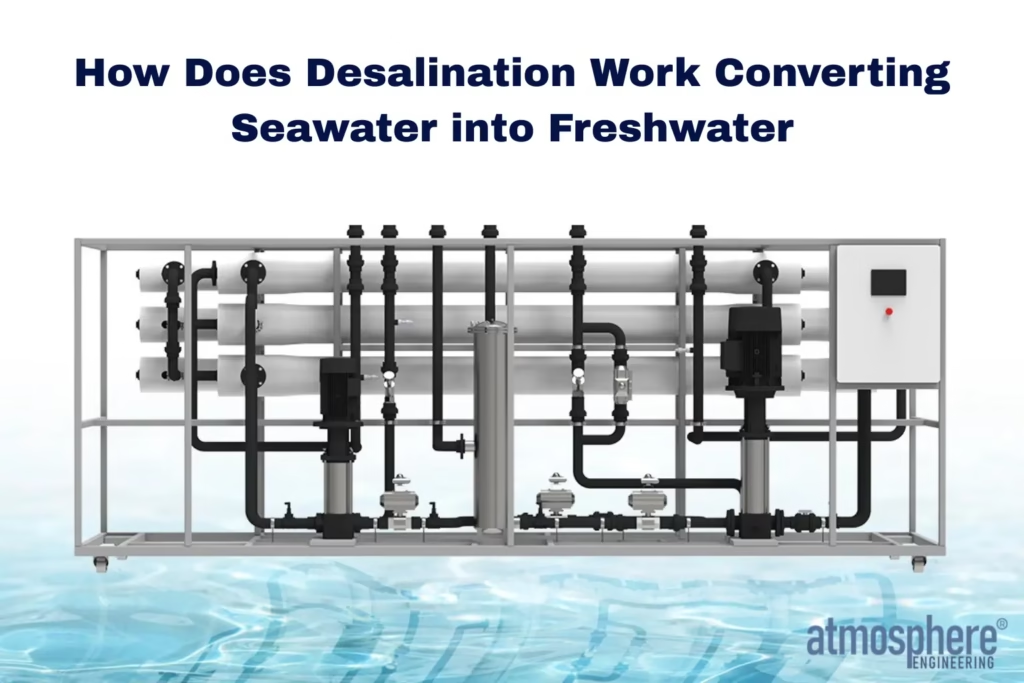
How Desalination Works: Converting Seawater into Freshwater A New Horizon in Water Solutions: Reverse Osmosis by Atmosfer Makina At Atmosfer Makina, we are at the forefront of tackling one of the most pressing global challenges: water scarcity. As a company dedicated to innovative engineering and sustainable solutions, we understand that access to fresh, clean water is not just a utility, but a fundamental human right and a cornerstone of economic development. While over 70% of our planet is covered by water, less than 1% is readily available freshwater. This is where Reverse Osmosis (RO), the most advanced and efficient method of converting saline or brackish water into potable water, becomes indispensable. Through our cutting-edge RO water treatment systems and unwavering commitment, Atmosfer Makina is proud to provide robust and efficient solutions that transform this abundant resource into a viable answer for communities, industries, and agriculture worldwide. For decades, the concept of turning challenging water sources into clean, usable water seemed complex. Today, thanks to relentless innovation and technological advancements in Reverse Osmosis technology, it is a reality, and Atmosfer Makina is playing a crucial role in making it more accessible, efficient, and sustainable than ever before. Join us as we delve into the intricate world of RO desalination, exploring how it works, the diverse applications it serves, and the immense benefits and critical considerations that shape its future. Overview of Reverse Osmosis Technology: The Modern Marvel of Water Purification The journey from saline or brackish water to crystal-clear drinking water is achieved primarily through the sophisticated process of Reverse Osmosis. At Atmosfer Makina, we specialize in implementing and optimizing the most effective RO systems, each meticulously designed for specific needs and conditions. Reverse Osmosis (RO): The Core of Our Water Purification Systems Reverse Osmosis stands as the most widely adopted and energy-efficient desalination and water purification technology globally, and it is the cornerstone of Atmosfer Makina’s offerings. The principle behind RO is elegantly simple yet incredibly powerful. Imagine a semi-permeable membrane, a barrier that allows water molecules to pass through but blocks larger salt ions, dissolved solids, bacteria, viruses, and other impurities. In natural osmosis, water flows from a region of lower solute concentration to a region of higher solute concentration across such a membrane to equalize the solute levels. Reverse osmosis, as its name suggests, reverses this natural process. Here’s how it works in our systems: Seawater, brackish water, or even wastewater is subjected to immense pressure – far exceeding its natural osmotic pressure – on one side of a semi-permeable membrane. This applied pressure forces water molecules through the membrane, leaving behind dissolved salts, minerals, bacteria, viruses, and other contaminants on the pressurized side. The result is purified freshwater (permeate) on one side and a concentrated brine solution (reject water) on the other. Atmosfer Makina’s RO systems are engineered for maximum efficiency and longevity. We integrate high-quality membranes, advanced energy recovery devices, and sophisticated pre-treatment systems. Pre-treatment is a critical step in RO, as it protects the delicate membranes from fouling and scaling by removing suspended solids, organic matter, chlorine, and other particulate impurities. Our robust pre-treatment solutions, which can include multi-media filters, activated carbon filters, softeners, and antiscalant dosing, ensure the membranes operate optimally, extending their lifespan and reducing operational costs. The continuous innovation in membrane technology and energy recovery has significantly reduced the energy consumption of RO, making it an increasingly attractive and sustainable option for large-scale water production. Our expertise encompasses a range of specialized RO systems: Commercial and Industrial RO Systems: Tailored for various industries requiring specific water quality, from manufacturing to power generation. Seawater Reverse Osmosis (SWRO) Systems: Robust solutions designed to handle high salinity seawater for municipal and industrial applications. Brackish Water Reverse Osmosis (BWRO) Systems: Efficiently convert brackish groundwater into potable water. Chemical Dosing Systems: Essential for pre-treatment (antiscalants, coagulants, pH adjustment) and post-treatment (disinfection). Atmosfer Makina prides itself on delivering comprehensive RO solutions that meet the highest standards of water quality and operational reliability. Applications and Benefits of Reverse Osmosis Water Treatment While the promise of RO technology is immense, Atmosfer Makina approaches its implementation with a clear understanding of both its significant advantages and the challenges that require careful consideration and innovative solutions. The Overwhelming Benefits of RO Systems Addressing Water Scarcity: RO provides a reliable, drought-proof source of freshwater, especially in arid regions and coastal urban centers. Economic Development and Stability: RO systems support industrial expansion, agricultural productivity, and tourism, fostering job creation and enhancing economic stability. Exceptional Water Quality: RO produces water of exceptionally high purity, ideal for drinking, sensitive industrial processes, and even pharmaceutical production. Versatility in Feedwater: RO systems can treat seawater, brackish water, surface water, and even wastewater for reuse. Reduced Chemical Usage: RO often requires fewer chemicals, especially with effective pre-treatment. Navigating the Considerations Energy Consumption: Modern RO is more energy-efficient, but still a key consideration. Atmosfer Makina integrates energy recovery devices and explores renewable energy sources. Brine Management: Atmosfer Makina employs advanced brine discharge strategies and explores beneficial uses for brine. Pre-treatment Importance: Investing in robust pre-treatment solutions is crucial. Capital and Operational Costs: Atmosfer Makina focuses on optimizing design and implementing efficient strategies. Cost-Efficiency and Energy Consumption Considerations for RO Systems At Atmosfer Makina, we understand that cost-efficiency and energy consumption are paramount. Our philosophy delivers technologically advanced, economically viable, and environmentally responsible RO solutions. Optimizing Cost-Efficiency of RO Plants CAPEX Optimization: Smart design, strategic sourcing, and excellent project management. OPEX Reduction: Energy efficiency, automation, preventive maintenance, and optimized chemical dosing. Energy Consumption: A Core Focus for Sustainable RO Modern RO plants are remarkably energy-efficient, thanks to: High-Efficiency RO Membranes Energy Recovery Devices (ERDs) Integration with Renewable Energy Reverse Osmosis Water Treatment Projects by Atmosfer Makina Atmosfer Makina stands as a testament to engineering excellence in RO water treatment. Our projects deliver tailored, high-performance solutions, characterized by: Customized RO System Design Robust Construction Advanced Automation and Control Sustainable Practices Comprehensive Support From consultation to operational support, Atmosfer Makina offers a
Industrial Water Purification Systems: A Comprehensive Guide
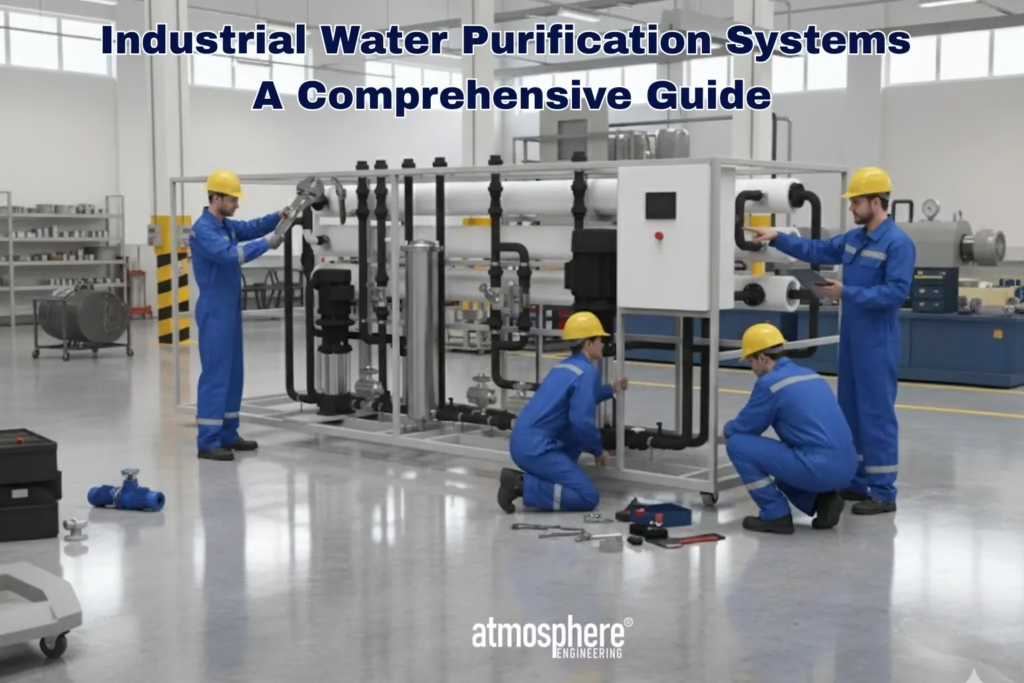
Industrial Water Purification Systems: A Comprehensive Guide At Atmosfer Makina, we know that water is far more than a utility—it’s the lifeblood of modern industry. Whether you’re operating a power plant, a food processing facility, or a chemical production line, water quality plays a pivotal role in everything from product safety to system longevity. As experts in water purification, we design and deliver custom reverse osmosis (RO) systems tailored to the rigorous demands of industrial operations. In this guide, we’ll walk you through the key technologies, target industries, system components, and our turnkey project approach. Types of Water Purification Technologies (RO, UF, EDI) Water purification is not a one-size-fits-all process. Depending on your industry and water source, your system may require different levels of filtration and demineralization. At Atmosfer Makina, we offer advanced water purification solutions based primarily on Reverse Osmosis (RO), but we also integrate Ultrafiltration (UF) and Electrodeionization (EDI) technologies where needed. Reverse Osmosis (RO) RO is the backbone of industrial water purification. It works by applying pressure to push water through a semi-permeable membrane that removes up to 99% of dissolved salts, bacteria, viruses, and other contaminants. This method is ideal for industries requiring consistently high-quality water such as energy, pharmaceuticals, and manufacturing. We offer several RO models under our premium lines: ELITE Series – Designed for seawater desalination applications. PLATINUM Series – Optimized for high-volume, land-based facilities. OCEAN Series – Engineered for compact marine and mobile systems. Ultrafiltration (UF) UF is often used as a pre-treatment step before RO, especially when the raw water contains large particles or biological contaminants. It removes suspended solids, colloids, and some bacteria, thereby extending the life of downstream RO membranes. Electrodeionization (EDI) EDI is used post-RO to achieve ultrapure water levels without chemicals. It uses ion exchange membranes and electrical current to continuously deionize water. This is ideal for high-purity applications like electronics manufacturing or boiler feedwater in power plants. Which Industries Use Advanced Water Treatment Systems? Industries across the board depend on clean, consistent water. Here are the sectors we serve with our industrial-grade purification systems: Energy & Power Generation Boilers and turbines require water that is free of minerals and ions to prevent corrosion and scaling. Our RO and EDI systems produce ultra-clean water that protects your infrastructure and boosts thermal efficiency. Pharmaceutical & Biotech In these sectors, compliance with USP and EP standards is critical. Our systems ensure water is pure enough for injections, ingredient formulation, and sterile cleaning. Food & Beverage From bottled water to dairy processing, water impacts taste, safety, and product consistency. Our systems remove off-flavors, contaminants, and pathogens to meet food-grade quality. Chemical & Petrochemical Our RO solutions support chemical processes that require stable water chemistry, minimizing the risk of contamination or undesired reactions. Electronics & Semiconductor This industry demands ultrapure water (UPW) with resistivity levels up to 18 MΩ·cm. Our RO + EDI systems meet this strict requirement, ensuring clean circuits and high product yield. Marine & Offshore For ships, offshore rigs, and remote units, water purification must be compact, durable, and efficient. Our OCEAN series RO systems deliver reliable desalination under the harshest conditions. Main Components of a High-Efficiency Purification Setup A well-designed purification system is more than just a membrane. It is a coordinated set of components, working seamlessly together. Pre-Treatment Units These units remove large debris, chlorine, and hardness that could damage sensitive RO membranes. They may include: Multimedia filters Activated carbon filters Water softeners High-Pressure Pumps Our systems use robust high-pressure pumps to drive water through RO membranes efficiently. Selecting the right pump ensures optimal energy use and membrane life. Reverse Osmosis Modules The heart of the system. Our RO units feature spiral-wound membranes designed to reject a wide spectrum of dissolved impurities, from salts to organic materials. Ultrafiltration Modules (optional) When required, UF modules are used upstream of RO to remove bacteria, algae, and suspended solids. Electrodeionization Units (optional) For industries that need chemical-free, ultrapure water, we integrate EDI after RO. This setup allows continuous operation and low maintenance. PLC-Controlled Automation Systems Every Atmosfer Makina system includes a user-friendly control panel equipped with: Real-time conductivity, flow, and pH monitoring Fault alerts Auto start/stop and CIP functions Skid-Mounted Compact Design Our systems are delivered ready-to-install, minimizing onsite work. Each unit is factory-tested and built with space efficiency in mind. Turnkey Projects by Atmosfer Makina Our expertise goes beyond components. We offer complete turnkey water purification projects, tailored to your unique needs. Step 1: Consultation & Water Analysis We assess your raw water quality, operating environment, and industry standards. Based on this, we select and size every component of your system. Step 2: Custom Engineering We design and model your purification setup using advanced simulation tools. All components are carefully selected for maximum durability and compatibility. Step 3: Manufacturing & Testing Your system is built in our facility and undergoes rigorous quality control testing before shipment. Step 4: Installation & Commissioning Our technicians install the system on your site, integrate it with existing utilities, and ensure it’s fully operational from day one. Step 5: Training & After-Sales Support We train your staff to operate and maintain the system. Our support team is always available for technical assistance and spare parts. Frequently Asked Questions (FAQ) How does reverse osmosis actually work in industrial settings? ➡️ RO uses pressure to force water through a membrane, filtering out salts, minerals, and microbes. The result is purified water suitable for industrial applications. What industries benefit the most from Atmosfer Makina’s RO systems? ➡️ Energy, pharma, F&B, chemicals, electronics, and marine industries all benefit significantly from our high-efficiency RO setups. Do you offer systems for seawater desalination? ➡️ Yes. Our ELITE and OCEAN series are designed specifically for seawater and high-salinity sources. Can I use your RO system in a pharmaceutical-grade process? ➡️ Absolutely. We comply with USP and EP water quality standards and offer systems compatible with sterile environments. What is the lifespan of your RO membranes? ➡️ With proper pre-treatment and
Zero Waste Strategies in Industrial Production: Protecting Cost and the Environment
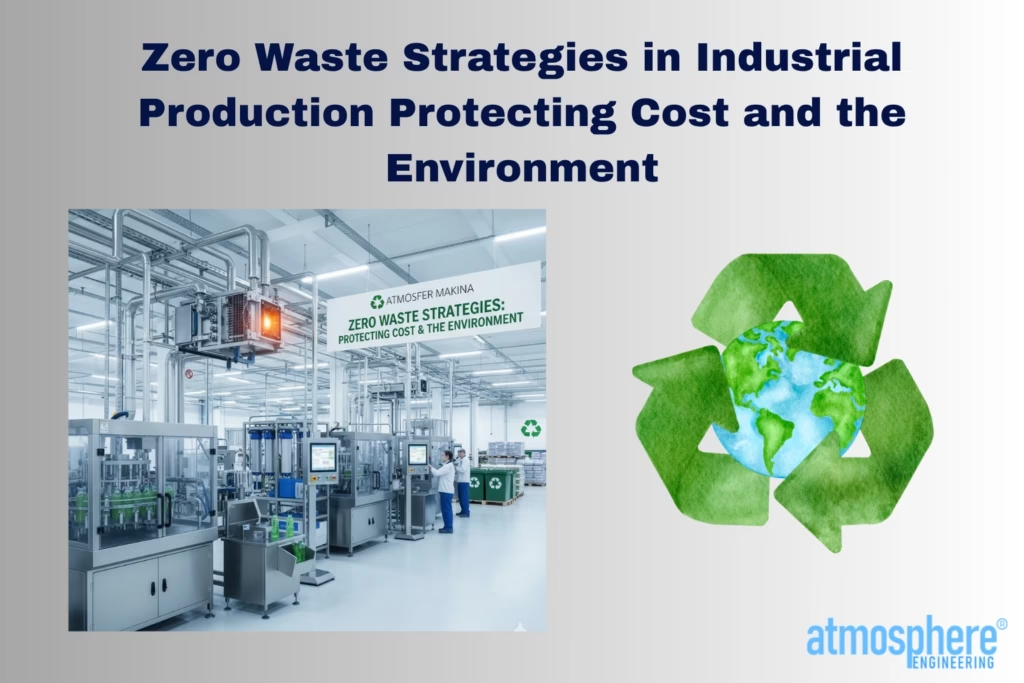
Zero Waste Strategies in Industrial Production: Protecting Cost and the Environment Welcome to Atmosfer Makina, where we believe that profitability and sustainability are not just compatible—they are mutually dependent. In today’s competitive global market, the pressure is on industrial manufacturers to be both highly efficient and environmentally responsible. This dual challenge requires more than just minor adjustments; it demands a fundamental shift toward a Zero Waste strategy. As a leader in designing and implementing advanced industrial machinery and complete production line solutions, we have witnessed how embracing waste reduction technologies transforms a factory floor. A Zero Waste approach is no longer a niche environmental movement; it is a powerful business model that directly impacts your bottom line by minimizing material input, optimizing processes, and unlocking hidden value from waste streams. At Atmosfer Makina, our expertise extends beyond simply building reliable machines; we engineer sustainable production systems that integrate resource efficiency into every step, from material handling to final packaging. We invite you to explore how modern industrial waste management and circular economy principles can revolutionize your operations, secure cost savings, and position your company as a leader in sustainable manufacturing. The Foundation of Efficiency: Waste Reduction and Resource Recovery Achieving a Zero Waste manufacturing facility begins with a comprehensive strategy focusing on two key areas: aggressive waste minimization at the source and the implementation of intelligent resource recovery models. Waste Reduction and Recycling Models The core principle of Zero Waste is simple: waste is a resource out of place. The most effective way to manage waste is to prevent it from being generated in the first place. This is where Atmosfer Makina’s precision machinery plays a crucial role. Precision Engineering for Source Reduction: In production lines (especially in filling, packaging, and chemical processes), a significant portion of waste comes from inaccuracies—overfilling, rejected packaging due to misalignment, and product spillage. Our high-accuracy filling machines and integrated quality control systems (like vision inspection and check-weighers) ensure that every unit is filled and packaged perfectly the first time. This source reduction minimizes the use of raw materials and slashes costly disposal fees. Internal Closed-Loop Recycling Systems: For inevitable process by-products, a modern factory must implement closed-loop recycling. This means waste generated in one part of the plant becomes a raw material for another. For example, in liquid processing, residual product in pipes or cleaning water can be recovered, treated (using our specialized filtration or distillation units), and safely re-introduced into the production stream. This material recycling minimizes the need for virgin materials and reduces reliance on external, often costly, waste disposal companies. Optimal Packaging Design and Materials: Beyond the process, we consult on sustainable packaging strategies. This includes advising on machinery capable of handling recycled content packaging (like recycled PET or rHDPE) and minimizing the packaging footprint (e.g., lightweighting or optimizing container shapes). Our labelling and capping machines are calibrated to handle these new eco-friendly materials without compromising line speed or integrity. Waste recycling should start with the package itself. By combining manufacturing precision with smart material flow management, we help clients transform from a linear “take-make-dispose” model to a truly circular manufacturing process. Energy and Heat Recovery Beyond material waste, the other major source of inefficiency in industrial production is energy waste, often lost as heat, compressed air leakage, or inefficient motor usage. Zero Waste extends to maximizing energy efficiency and implementing heat recovery systems. Optimized Machine Efficiency: All Atmosfer Makina machinery is designed with energy efficiency as a core standard. We utilize high-efficiency motors (IE4) and variable frequency drives (VFDs) on conveyors and pumps. VFDs adjust motor speed based on the real-time load, drastically cutting energy consumption compared to traditional motors that run at a constant, unnecessary maximum speed. This focus on operational energy optimization directly reduces your utility bills and carbon footprint. Industrial Heat Recovery Systems: In many industrial processes—especially those involving drying, sterilization, or chemical reactions—a large amount of heat is generated and typically vented into the atmosphere. This is wasted money. We integrate heat exchangers and thermal energy recovery systems that capture this waste heat. This captured energy can then be used to pre-heat boiler feed water, warm up process chemicals, or even heat the factory floor in winter. This process efficiency can offset a significant percentage of a facility’s heating energy needs, leading to monumental cost savings and making your production genuinely sustainable. Smart Monitoring and Control: Our advanced control systems (HMI and SCADA integration) are key to managing energy consumption. They provide real-time data on the energy usage of every component, allowing operators to identify and eliminate energy-wasting bottlenecks or non-productive running periods. This data-driven resource efficiency ensures that every Joule is used optimally. Implementing these energy management and waste minimization strategies moves a facility far beyond simple compliance and into the realm of economic and environmental leadership. Zero Waste in Practice: Optimization and Innovation The ultimate goal of a Zero Waste strategy is to integrate sustainability into the fabric of the manufacturing plant, turning philosophical commitments into concrete, measurable actions. This requires moving from concepts to specific, replicable production examples and optimizing every phase of resource use. Real-World Zero Waste Production Examples The theory of industrial sustainability comes alive when applied to specific industry challenges. Atmosfer Makina has supported clients in diverse sectors to achieve measurable Zero Waste success: Chemical & Detergent Production: Chemical processing often leaves residual product in tanks and lines. We implement pigging systems and specialized product recovery machinery that pushes virtually all of the high-value chemical out of the pipe before cleaning, maximizing yield and minimizing the amount of contaminated wastewater that requires costly treatment. This turns potential hazardous waste into valuable saleable product. Beverage and Food Processing: In bottling operations, rejected bottles (due to minor imperfections or filling errors) are common. Our systems use advanced sorting and de-capping mechanisms to automatically recover the liquid product from the rejected containers, which is then filtered and re-introduced into the batch, while the packaging material (glass, plastic, aluminum) is sorted for high-grade
Industrial Water Purification Systems: A Comprehensive Guide
Industrial Water Purification Systems: A Comprehensive Guide At Atmosfer Makina, we know that water is far more than a utility—it’s the lifeblood of modern industry. Whether you’re operating a power plant, a food processing facility, or a chemical production line, water quality plays a pivotal role in everything from product safety to system longevity. As experts in water purification, we design and deliver custom reverse osmosis (RO) systems tailored to the rigorous demands of industrial operations. In this guide, we’ll walk you through the key technologies, target industries, system components, and our turnkey project approach. Types of Water Purification Technologies (RO, UF, EDI) Water purification is not a one-size-fits-all process. Depending on your industry and water source, your system may require different levels of filtration and demineralization. At Atmosfer Makina, we offer advanced water purification solutions based primarily on Reverse Osmosis (RO), but we also integrate Ultrafiltration (UF) and Electrodeionization (EDI) technologies where needed. Reverse Osmosis (RO) RO is the backbone of industrial water purification. It works by applying pressure to push water through a semi-permeable membrane that removes up to 99% of dissolved salts, bacteria, viruses, and other contaminants. This method is ideal for industries requiring consistently high-quality water such as energy, pharmaceuticals, and manufacturing. We offer several RO models under our premium lines: ELITE Series – Designed for seawater desalination applications. PLATINUM Series – Optimized for high-volume, land-based facilities. OCEAN Series – Engineered for compact marine and mobile systems. Ultrafiltration (UF) UF is often used as a pre-treatment step before RO, especially when the raw water contains large particles or biological contaminants. It removes suspended solids, colloids, and some bacteria, thereby extending the life of downstream RO membranes. Electrodeionization (EDI) EDI is used post-RO to achieve ultrapure water levels without chemicals. It uses ion exchange membranes and electrical current to continuously deionize water. This is ideal for high-purity applications like electronics manufacturing or boiler feedwater in power plants. Which Industries Use Advanced Water Treatment Systems? Industries across the board depend on clean, consistent water. Here are the sectors we serve with our industrial-grade purification systems: Energy & Power Generation Boilers and turbines require water that is free of minerals and ions to prevent corrosion and scaling. Our RO and EDI systems produce ultra-clean water that protects your infrastructure and boosts thermal efficiency. Pharmaceutical & Biotech In these sectors, compliance with USP and EP standards is critical. Our systems ensure water is pure enough for injections, ingredient formulation, and sterile cleaning. Food & Beverage From bottled water to dairy processing, water impacts taste, safety, and product consistency. Our systems remove off-flavors, contaminants, and pathogens to meet food-grade quality. Chemical & Petrochemical Our RO solutions support chemical processes that require stable water chemistry, minimizing the risk of contamination or undesired reactions. Electronics & Semiconductor This industry demands ultrapure water (UPW) with resistivity levels up to 18 MΩ·cm. Our RO + EDI systems meet this strict requirement, ensuring clean circuits and high product yield. Marine & Offshore For ships, offshore rigs, and remote units, water purification must be compact, durable, and efficient. Our OCEAN series RO systems deliver reliable desalination under the harshest conditions. Main Components of a High-Efficiency Purification Setup A well-designed purification system is more than just a membrane. It is a coordinated set of components, working seamlessly together. Pre-Treatment Units These units remove large debris, chlorine, and hardness that could damage sensitive RO membranes. They may include: Multimedia filters Activated carbon filters Water softeners High-Pressure Pumps Our systems use robust high-pressure pumps to drive water through RO membranes efficiently. Selecting the right pump ensures optimal energy use and membrane life. Reverse Osmosis Modules The heart of the system. Our RO units feature spiral-wound membranes designed to reject a wide spectrum of dissolved impurities, from salts to organic materials. Ultrafiltration Modules (optional) When required, UF modules are used upstream of RO to remove bacteria, algae, and suspended solids. Electrodeionization Units (optional) For industries that need chemical-free, ultrapure water, we integrate EDI after RO. This setup allows continuous operation and low maintenance. PLC-Controlled Automation Systems Every Atmosfer Makina system includes a user-friendly control panel equipped with: Real-time conductivity, flow, and pH monitoring Fault alerts Auto start/stop and CIP functions Skid-Mounted Compact Design Our systems are delivered ready-to-install, minimizing onsite work. Each unit is factory-tested and built with space efficiency in mind. Turnkey Projects by Atmosfer Makina Our expertise goes beyond components. We offer complete turnkey water purification projects, tailored to your unique needs. Step 1: Consultation & Water Analysis We assess your raw water quality, operating environment, and industry standards. Based on this, we select and size every component of your system. Step 2: Custom Engineering We design and model your purification setup using advanced simulation tools. All components are carefully selected for maximum durability and compatibility. Step 3: Manufacturing & Testing Your system is built in our facility and undergoes rigorous quality control testing before shipment. Step 4: Installation & Commissioning Our technicians install the system on your site, integrate it with existing utilities, and ensure it’s fully operational from day one. Step 5: Training & After-Sales Support We train your staff to operate and maintain the system. Our support team is always available for technical assistance and spare parts. Frequently Asked Questions (FAQ) How does reverse osmosis actually work in industrial settings? ➡️ RO uses pressure to force water through a membrane, filtering out salts, minerals, and microbes. The result is purified water suitable for industrial applications. What industries benefit the most from Atmosfer Makina’s RO systems? ➡️ Energy, pharma, F&B, chemicals, electronics, and marine industries all benefit significantly from our high-efficiency RO setups. Do you offer systems for seawater desalination? ➡️ Yes. Our ELITE and OCEAN series are designed specifically for seawater and high-salinity sources. Can I use your RO system in a pharmaceutical-grade process? ➡️ Absolutely. We comply with USP and EP water quality standards and offer systems compatible with sterile environments. What is the lifespan of your RO membranes? ➡️ With proper pre-treatment and
AdBlue® Production Line – AUS32
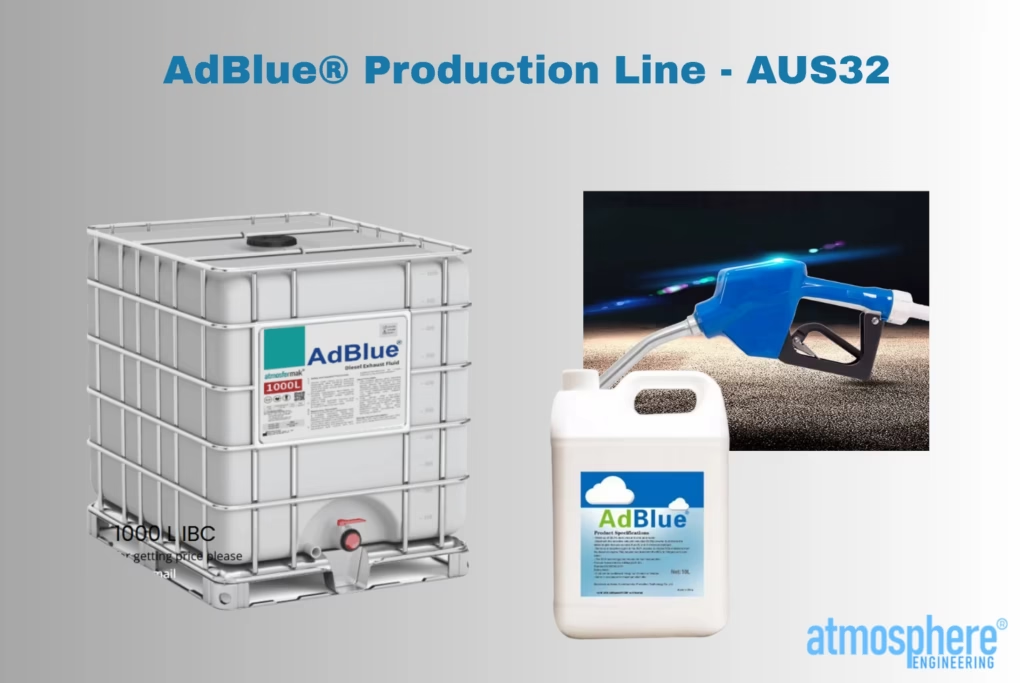
AdBlue® Production Line – AUS32 Models At Atmosfer Makina, we recognize the escalating global demand for AdBlue® (AUS32), also known as Diesel Exhaust Fluid (DEF). This critical solution is indispensable for modern diesel engines equipped with Selective Catalytic Reduction (SCR) technology, enabling them to meet increasingly stringent emission regulations by converting harmful nitrogen oxides (NOx) into harmless nitrogen and water vapor. As a leader in chemical process engineering, we’ve dedicated ourselves to developing and offering a range of advanced AdBlue® Production Line models designed to empower businesses with the ability to manufacture high-quality AUS32 directly on-site. This approach not only ensures a consistent and reliable supply but also delivers significant economic and operational advantages. The decision to invest in an on-site AdBlue® production line is a strategic one, particularly for large fleet operators, logistics companies, mining operations, marine businesses, and other industrial consumers with high and consistent demand. Relying solely on external suppliers for AdBlue® can expose operations to unpredictable market fluctuations, potential supply chain disruptions, and the logistical complexities of transporting and storing large volumes of liquid. Our diverse range of AdBlue® Production Line models directly addresses these challenges, offering a robust, self-sufficient, and cost-effective solution. Our models are carefully engineered to cater to a broad spectrum of production capacities, ensuring that every client, regardless of their scale of operation, can find a system that perfectly aligns with their specific needs. From compact units suitable for moderate daily consumption to large-scale industrial systems designed for continuous, high-volume output, Atmosfer Makina provides a tailored solution. Each AdBlue® production line model is a complete, turnkey solution, minimizing on-site installation time and complexity. We focus on transforming high-purity urea for DEF into ISO 22241 compliant AdBlue®, ensuring the integrity and longevity of your SCR systems. Our commitment to innovation means that every model incorporates cutting-edge technology, robust construction, and intuitive automation. This ensures reliable performance, consistent product quality, and ease of operation. We believe that empowering our clients with the capability to produce their own AUS32 on-site is a fundamental step towards greater operational control, improved cost efficiency, and a more sustainable future in emission control. Options At Atmosfer Makina, we understand that while our standard AdBlue® Production Line models offer exceptional performance, specific operational requirements and environmental conditions can necessitate additional features. That’s why we offer a comprehensive suite of options that allow for extensive customization, ensuring your AUS32 production line is perfectly tailored to your unique needs. These options enhance efficiency, optimize quality, and streamline your entire AdBlue® manufacturing process. Enhanced urea filtration The purity of AdBlue® (AUS32) is absolutely paramount for the protection and longevity of Selective Catalytic Reduction (SCR) systems. Even microscopic particulate impurities can lead to blockages or damage within the catalytic converter, resulting in costly repairs and reduced engine efficiency. While our standard AdBlue® Production Line models incorporate robust multi-stage filtration systems designed to meet ISO 22241 standards, some operational environments or specific applications demand an even higher level of purity assurance. For such demanding scenarios, Atmosfer Makina offers an enhanced urea filtration option. This advanced feature integrates additional, finer filtration stages directly into the AdBlue® manufacturing process. This means that after the urea for DEF has been dissolved in demineralized water, the resulting solution undergoes an even more rigorous purification. This optional filtration mechanism captures the minutest insoluble particles, ensuring that the final AUS32 product is exceptionally pure. This enhanced urea filtration is particularly beneficial for clients who: Operate in highly sensitive environments where even minimal impurities could pose a risk. Procure urea for DEF from sources where consistency in purity might occasionally vary, requiring an additional safeguard. Wish to maximize the lifespan and performance of their SCR systems by providing the cleanest possible AdBlue®. By choosing the enhanced urea filtration option, you invest in an added layer of quality assurance, further protecting your valuable diesel engine assets and guaranteeing the highest possible standard for your on-site AdBlue® production. Low energy heating Maintaining optimal temperature during the urea dissolution process is crucial for efficient and consistent AdBlue® manufacturing. In colder climates or during winter months, the temperature of incoming demineralized water can drop, slowing down the dissolution rate of urea for DEF and potentially impacting production capacity. Traditional heating methods can be energy-intensive, adding to operational costs. Atmosfer Makina addresses this challenge with our low energy heating option for the AdBlue® Production Line. This feature incorporates highly efficient heating elements and advanced temperature control systems that are specifically designed to minimize energy consumption while effectively warming the demineralized water to the ideal temperature range for urea dissolution (typically between 25-40°C). The benefits of implementing a low energy heating system include: Consistent Production Rates: Ensures that the dissolution process remains efficient regardless of ambient temperature, maintaining stable AUS32 output. Optimized Dissolution: Warmer water accelerates the dissolution of urea for DEF, reducing batch times and increasing overall efficiency of the AdBlue® manufacturing process. Reduced Energy Costs: Utilizes advanced, energy-efficient technology to minimize power consumption, contributing to lower operational expenditures over the long term. Prevents Crystallization: Helps prevent the formation of urea crystals, which can occur if dissolution is inefficient in cold conditions, safeguarding system components. This low energy heating option is a smart investment for any AdBlue® Production Line operating in variable climates, ensuring uninterrupted and cost-effective AUS32 manufacturing throughout the year. Storage Once the AdBlue® (AUS32) has been produced to the highest quality standards by our AdBlue® Production Line, efficient and safe storage becomes a critical next step before distribution or direct use. Atmosfer Makina offers a range of comprehensive storage solutions designed to seamlessly integrate with your AdBlue® manufacturing process, ensuring the integrity and ready availability of your finished product. Proper storage is vital to maintain the quality and extend the shelf life of AdBlue®. AdBlue® is sensitive to contamination and extreme temperatures. Our storage solutions are engineered with these factors in mind: Material Compatibility: Our storage tanks are constructed from materials that are fully compatible with AdBlue®, such as high-grade stainless steel or
On-Site AdBlue® Production: AUS32 & DEF Manufacturing Process
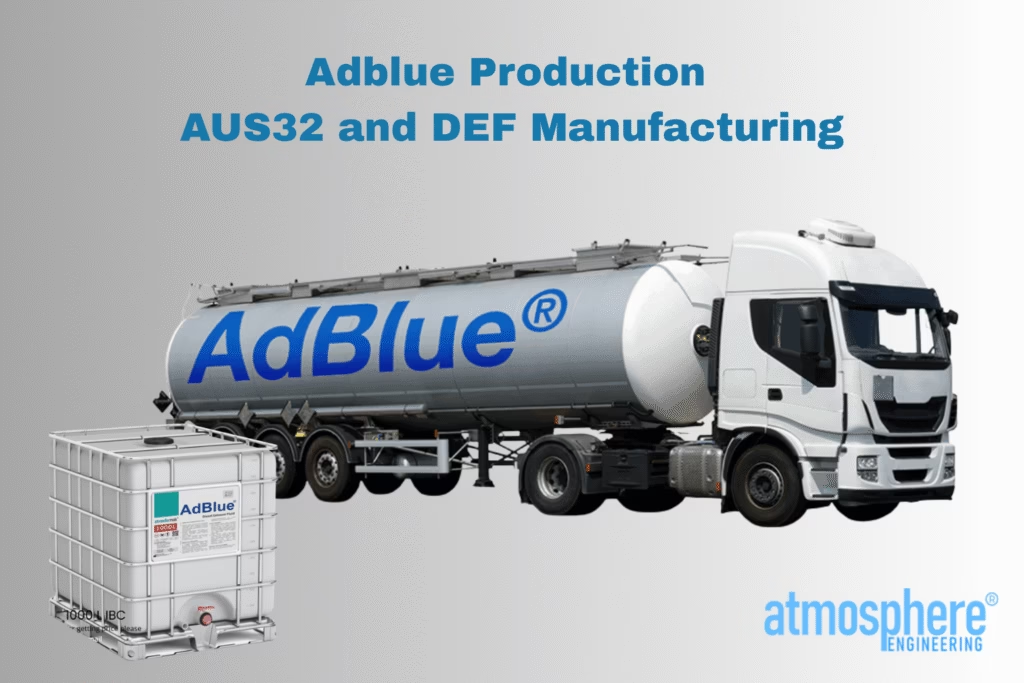
On-Site AdBlue® Production: AUS32 & DEF Manufacturing Process Client Case Study: Sustainable AdBlue® Production for the Energy Sector At Atmosfer Makina, we specialize in providing innovative solutions for critical industrial needs. Today, we’re highlighting a powerful client case study on how our AdBlue® manufacturing process transformed supply for a leading energy sector player. This demonstrates the significant advantages of on-site AdBlue® production, emphasizing our commitment to both environmental responsibility and operational efficiency. The energy sector, heavily reliant on diesel engines for generators and machinery, faces stringent NOx emission regulations. Selective Catalytic Reduction (SCR) systems are the standard solution, using AdBlue® (AUS32, DEF). Traditionally, securing a consistent and cost-effective AdBlue® supply, especially in remote energy operations, has presented logistical and financial hurdles, including high transport costs and supply chain vulnerabilities. Our client, a major energy producer, sought to overcome these challenges. They needed full control over their AdBlue® supply, guaranteed ISO 22241 quality, and a reduced environmental footprint. Atmosfer Makina delivered a customized, autonomous AdBlue® manufacturing facility for on-site production, proving the immense value of our turnkey solutions in the AdBlue® manufacturing process. Why On-Site AdBlue® Production is Environmentally and Economically Preferable On-site AdBlue® production through Atmosfer Makina’s solutions offers compelling environmental and economic advantages over conventional supply methods. Economically, the primary benefit is substantial cost savings. By producing AdBlue® at your facility using urea for DEF, you cut out expenses like freight, storage at third-party distribution centers, and reseller margins. Urea for DEF is a dry granular product, making it significantly cheaper and easier to transport and store in bulk than liquid AdBlue®. This, combined with bulk urea purchasing, delivers a rapid return on investment and sustained savings. Our automated processes also minimize labor costs, giving you greater budgetary control and insulating you from market volatility. Environmentally, on-site AdBlue® production greatly reduces your carbon footprint. Traditional supply chains involve extensive transportation of liquid AdBlue®, generating significant greenhouse gas emissions. By manufacturing on-site, you drastically reduce this transport, leading to lower carbon emissions and a greener operational profile. It also means less road congestion and reduced risk of transportation-related spills, enhancing overall environmental safety. Furthermore, on-site production ensures unparalleled supply security and independence. For critical energy operations, uninterrupted AdBlue® supply is vital. Our AdBlue® manufacturing facility mitigates disruption risks, allowing you to produce AdBlue® on demand, guaranteeing continuous supply regardless of external market or logistical challenges. Lastly, on-site AdBlue® production provides superior quality control. AdBlue® quality directly impacts SCR system performance. Our integrated quality assurance systems continuously monitor the AdBlue® manufacturing process to ensure strict adherence to the ISO 22241 standard. This guarantees consistently pure and correctly concentrated AUS32, protecting your assets and optimizing emission reduction. Key Components of the AdBlue® Manufacturing Facility An Atmosfer Makina AdBlue® manufacturing facility is a meticulously engineered, self-contained system comprised of essential key components designed for efficient, high-quality AdBlue® (AUS32, DEF) production from urea for DEF. Central to the facility is the Urea Storage and Feeding System, which safely stores and precisely delivers granular urea for DEF into the process. The Demineralized Water Production Unit employs advanced water treatment (like reverse osmosis) to create the high-purity water crucial for AdBlue®. An energy-efficient water heating option can optimize urea dissolution, especially in colder climates. The heart of the AdBlue® manufacturing process is the Mixing and Dissolution Reactor, where urea for DEF is thoroughly dissolved in demineralized water to achieve the precise 32.5% concentration. This process is fully automated with sensors monitoring parameters. Following dissolution, the Filtration System ensures final purity by removing impurities. We offer an enhanced urea filtration option for the highest purity demands. Finally, the Quality Control and Monitoring System continuously measures concentration, conductivity, and other parameters, governed by a PLC. This intelligent system ensures consistent ISO 22241 compliant quality, minimal errors, and comprehensive data logging for every batch of AUS32. Urea Dissolution: Process Flow and Automation The urea dissolution stage is fundamental in the AdBlue® manufacturing process. It converts solid urea for DEF into liquid AUS32. Our process flow prioritizes precision and advanced automation. The process begins with automated transfer of urea for DEF from storage into a mixing tank. Simultaneously, demineralized water (potentially heated via the energy-efficient water heating option to 25-40°C) is precisely dosed. This temperature range is crucial for rapid and complete urea dissolution, preventing crystallization. Specialized agitators ensure homogeneous mixing, while real-time temperature and conductivity sensors monitor the solution. Conductivity accurately indicates urea concentration as it dissolves. Our sophisticated automation system, driven by a central PLC, orchestrates this entire process. It receives sensor data to dynamically adjust dosing rates of urea for DEF and water, maintaining the exact 32.5% concentration for AdBlue®. This high level of automation eliminates manual variability, reduces errors, and guarantees consistent quality. Detailed logging of all parameters ensures traceability and quality assurance for every AUS32 batch. Advanced Monitoring and Filtration Technologies Atmosfer Makina’s commitment to top-tier AdBlue® (AUS32, DEF) relies on our advanced monitoring and filtration technologies. These are vital for ensuring every liter produced meets the stringent ISO 22241 quality standard. Advanced Monitoring: High-precision sensors continuously track urea concentration, temperature, pH, and electrical conductivity (a key indicator of purity and concentration). A sophisticated PLC uses this real-time data to make instant adjustments, ensuring consistent quality. Proactive diagnostics, alarms, and detailed data logging provide comprehensive oversight and traceability for continuous AdBlue® production. Advanced Filtration Technologies: Purity is critical to protect SCR systems. Our AdBlue® manufacturing facilities incorporate multi-stage filtration technologies to remove impurities from urea for DEF and water. This includes pre-filtration and fine filtration. We offer an enhanced urea filtration option for the absolute highest purity requirements, safeguarding sensitive SCR catalysts. These systems are designed for minimal maintenance and maximum efficiency. Storage, Loading, and Supervision of Finished AdBlue® Once AdBlue® manufacturing process is complete and quality-approved, efficient storage, loading, and supervision of finished AdBlue® are crucial. Atmosfer Makina provides integrated solutions for these post-production steps, ensuring product integrity and availability. Our storage tank options are specifically designed for AdBlue®, made from compatible materials
Efficiency and Waste Management in Industrial Reverse Osmosis Systems
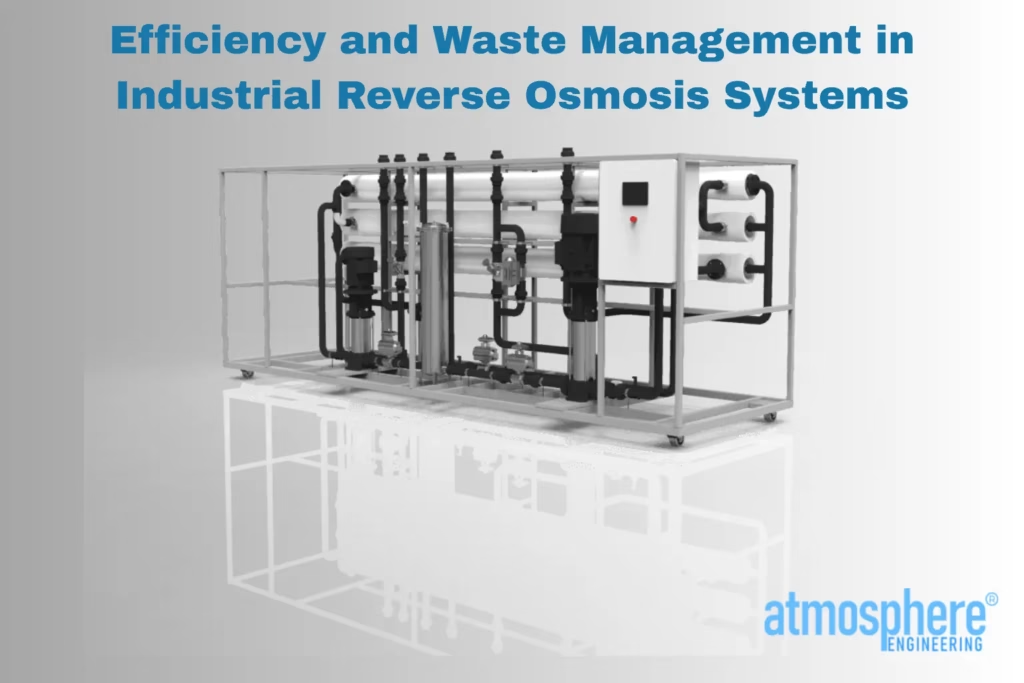
Efficiency and Waste Management in Industrial Reverse Osmosis Systems In the demanding landscape of modern industry, industrial Reverse Osmosis (RO) systems are essential, serving as the core technology for producing high-purity water vital for processes ranging from boiler feed and cooling towers to pharmaceutical production and food processing. However, the true measure of a successful RO system extends beyond the mere quality of the product water; it lies in its efficiency and its approach to waste management. A poorly optimized RO system is a drain on resources—wasting valuable water, consuming excessive energy, and generating large volumes of costly-to-dispose-of concentrate. At Atmosfer Makina, we specialize in designing, manufacturing, and supporting high-efficiency RO water treatment solutions that redefine performance. We see efficiency not as an option, but as the only path to sustainable and profitable operation. This comprehensive guide, written from our expertise, delves into the critical factors—from molecular-level membrane technology to strategic waste recycling—that dictate the overall efficiency and waste management success of your industrial RO system. The Role of Pre-treatment and Membrane Technologies The RO membrane is the heart of the system, but its performance is fundamentally reliant on the quality of the water it receives. The greatest threat to RO efficiency is membrane fouling and scaling, which necessitate frequent, expensive cleaning and ultimately reduce the membrane’s lifespan. The solution to this challenge lies in meticulous pre-treatment and the strategic selection of membrane technologies. Mastering Pre-treatment: The Foundation of RO Efficiency No matter the source—municipal supply, well water, or surface water—the feed water must be conditioned before it reaches the sensitive RO membranes. Pre-treatment is the shield that protects the membrane, and its role is paramount in maintaining industrial RO efficiency. We integrate robust, multi-stage pre-treatment systems to remove suspended solids, colloids, organic matter, and hardness: Filtration: This includes multimedia filters, activated carbon filters, and micro-filtration systems to remove particulate matter and chlorine (which damages the membrane). Softening and Antiscalant Dosing: For water with high mineral content (hardness), a water softener or precise antiscalant dosing system is used. Antiscalants work to keep mineral salts like calcium and silica dissolved in the water, preventing them from precipitating and forming scale on the membrane surface. Without effective scale control, the membrane’s water production rapidly declines, and energy consumption soars. Chemical Conditioning: Sometimes, pH adjustment is necessary to optimize the effectiveness of other treatments or to prevent the oxidation of the membrane material. By meticulously removing or neutralizing these contaminants in the pre-treatment stage, we ensure the RO membrane operates under optimal conditions, maximizing its recovery rate and minimizing the generation of reject water. Selecting High-Efficiency Membrane Technologies The membrane itself is a key component of industrial RO efficiency. At Atmosfer Makina, we specify high-efficiency membranes designed for high flux (flow rate) and low energy consumption. Low-Pressure Membranes: Modern RO membrane technology has advanced to the point where high purity can be achieved at significantly lower operating pressures than was previously possible. Using low-pressure membranes directly translates to reduced energy consumption for the high-pressure pumps, offering an immediate and substantial operational cost reduction. Fouling-Resistant Membranes: For challenging industrial applications (e.g., high organic load), specialized fouling-resistant membranes are employed. While they may have a higher initial cost, their longevity and reduced need for cleaning lead to superior long-term system efficiency and lower maintenance costs. The Impact of Maintenance and Cleaning on Efficiency Even the most sophisticated RO system will degrade without a rigorous, proactive maintenance strategy. Maintenance and cleaning are not merely corrective actions; they are essential preventive measures that directly impact the system’s long-term efficiency and waste management success. Proactive Monitoring: The Efficiency Barometer A well-managed industrial RO system relies on continuous performance monitoring. Key indicators we track include: Normalized Permeate Flow: A drop in flow indicates fouling or scaling. Salt Rejection Rate: A drop in salt rejection indicates membrane damage or excessive scaling. Differential Pressure: An increase in pressure across the membrane train is a definitive sign of fouling buildup. At Atmosfer Makina, our industrial RO systems are equipped with automated monitoring and logging capabilities. By tracking these metrics, our clients can identify problems early, initiating corrective action before a small issue becomes a massive, costly performance failure. Proactive monitoring prevents the system from running inefficiently, which would generate more reject water than necessary. Effective Chemical Cleaning (CIP) When performance metrics fall outside the acceptable range, Chemical-in-Place (CIP) cleaning is necessary. The success of this cleaning process is crucial for recovering system efficiency. Effective cleaning involves: Correct Diagnosis: Determining whether the fouling is due to organic material, biological growth, or mineral scaling is key, as each requires a different chemical formulation. Precise Procedure: The cleaning solution concentration, temperature, and flow rate must be meticulously controlled to effectively remove the foulants without damaging the delicate membrane material. We provide our clients with detailed CIP procedures and training, ensuring they use the right chemicals and methods to fully restore the membrane to its optimal performance level, thereby maximizing water recovery and minimizing the volume of RO concentrate. Improper cleaning is the single fastest way to destroy membranes and lock the system into a state of low efficiency and high wastewater production. Sustainable Management Strategies In today’s regulatory climate, water management must align with sustainable management strategies. For industrial RO systems, this means moving toward minimizing the overall water footprint and considering the entire lifecycle of the system. Water Footprint Reduction: From Feed to Discharge A sustainable industrial RO system maximizes the utilization of every drop of water. This involves: High Recovery RO Systems: As discussed, implementing multi-stage, high-pressure, or Closed-Circuit Reverse Osmosis (CCRO) technologies to push the water recovery rate above 90% or higher. High recovery directly reduces the volume of wastewater generated. Energy Efficiency: Integrating Energy Recovery Devices (ERDs) like Permeate Pumps to significantly cut the system’s energy consumption. Reduced energy use translates into a lower carbon footprint for the water production process. Chemical Management: Optimizing the use of pre-treatment chemicals, ensuring the smallest possible dosage is used while maintaining effective protection


