
How is UAN32 Fertilizer Produced?
Understanding UAN32 and Its Importance UAN32 is a liquid nitrogen fertilizer commonly used in modern agriculture to enhance crop growth. It is a blend of urea, ammonium nitrate, and water, providing a balanced nitrogen source. The production process must adhere to strict quality standards to ensure effectiveness and environmental safety. Raw Materials Used in UAN32 Production The key ingredients in UAN32 production include high-purity urea, ammonium nitrate, and deionized water. Urea and ammonium nitrate provide the nitrogen content, while water serves as a solvent to create a stable liquid solution. These materials must be carefully measured to maintain the correct chemical composition. Mixing and Chemical Reactions During the production of UAN32, urea and ammonium nitrate are dissolved in water under controlled conditions. The solution is heated to promote complete dissolution, ensuring uniform distribution of nutrients. The mixing process prevents precipitation and enhances the stability of the final product. Filtration and Purification Filtration is essential in UAN32 production to remove impurities and solid particles. Advanced filtration techniques ensure that the final product is free from contaminants, preventing clogging in irrigation and spraying systems. Proper purification enhances the efficiency of nutrient absorption by crops. Storage and Handling Considerations Once produced, UAN32 must be stored in non-corrosive tanks to prevent contamination and chemical degradation. The solution should be kept at a stable temperature to avoid crystallization. Proper handling procedures ensure product quality and safety during transportation and application. Quality Control and Industry Standards Manufacturers follow stringent quality control measures to verify the composition and concentration of UAN32. Regular testing ensures compliance with agricultural regulations and industry standards. Adhering to these guidelines guarantees a reliable and effective fertilizer product. Application and Benefits of UAN32 UAN32 is widely used in precision agriculture due to its ease of application and rapid nutrient availability. Farmers can apply it through spraying systems or soil injection, ensuring efficient nitrogen uptake by plants. Its liquid form allows for better distribution, minimizing waste and maximizing crop yield. Conclusion The production of UAN32 involves precise blending of urea, ammonium nitrate, and water, followed by filtration and quality control measures. Proper storage and handling ensure the stability and effectiveness of the fertilizer. As a widely used nitrogen source, UAN32 supports sustainable farming practices by enhancing soil fertility and promoting healthy crop growth. FAQ What is UAN32 fertilizer? UAN32 is a liquid nitrogen fertilizer made from urea, ammonium nitrate, and water. How is UAN32 produced? UAN32 is produced by dissolving urea and ammonium nitrate in water under controlled conditions. What are the benefits of UAN32? UAN32 provides a balanced nitrogen source, enhances crop growth, and allows for easy application. How should UAN32 be stored? UAN32 should be stored in non-corrosive tanks at a stable temperature to prevent crystallization. Is UAN32 environmentally friendly? When used properly, UAN32 supports sustainable farming and minimizes nitrogen runoff. What crops benefit most from UAN32? UAN32 is commonly used for corn, wheat, and other cereal crops that require high nitrogen intake. How is UAN32 applied to fields? It can be applied through foliar spraying, soil injection, or mixed with irrigation water. Can UAN32 be mixed with other fertilizers? Yes, but compatibility testing should be done to avoid unwanted chemical reactions. What precautions should be taken when handling UAN32? Protective gear should be worn, and spills should be cleaned immediately to prevent environmental contamination. How does UAN32 compare to other nitrogen fertilizers? It is more versatile and easier to apply than solid fertilizers, offering better nutrient availability.
Improving Efficiency in UAN32 Production
Understanding the Importance of Efficiency Efficiency in UAN32 production is essential for meeting agricultural demands while minimizing costs and environmental impact. By optimizing production processes, manufacturers can enhance product quality, reduce waste, and improve overall profitability. Optimizing Raw Material Usage One of the most critical factors in UAN32 production is the efficient use of raw materials. Ensuring the correct balance of urea, ammonium nitrate, and water helps maintain product stability and effectiveness. Reducing raw material waste contributes to cost savings and environmental sustainability. Enhancing Mixing and Dissolution Techniques Proper mixing and dissolution techniques play a key role in improving UAN32 production efficiency. Using advanced agitation systems ensures uniform distribution of ingredients, preventing crystallization and sedimentation. Temperature control during mixing further enhances product consistency. Implementing Advanced Filtration Methods Filtration is essential for removing impurities and ensuring high-quality UAN32. Advanced filtration methods, such as multi-stage filtration and membrane technology, improve product clarity and prevent clogging in agricultural application systems. Reducing Energy Consumption Energy efficiency is a major consideration in UAN32 production. Implementing energy-saving technologies, such as heat recovery systems and optimized process control, can significantly reduce operational costs. Sustainable energy sources further enhance efficiency and reduce the carbon footprint of production facilities. Quality Control and Process Monitoring Continuous monitoring of production parameters ensures the consistency and effectiveness of UAN32. Automated control systems and real-time data analysis help detect deviations early, allowing for quick corrective actions. Quality control measures also ensure compliance with industry standards and regulations. Storage and Distribution Improvements Efficient storage and distribution practices contribute to maintaining the integrity of UAN32. Using corrosion-resistant storage tanks and optimizing logistics reduce product loss and enhance supply chain efficiency. Proper handling procedures ensure safe and effective delivery to end-users. Conclusion Enhancing efficiency in UAN32 production involves optimizing raw material usage, improving mixing and filtration techniques, and implementing energy-saving strategies. By adopting advanced monitoring and quality control measures, manufacturers can produce high-quality UAN32 while reducing costs and environmental impact. FAQ Why is efficiency important in UAN32 production? Efficiency helps reduce costs, improve product quality, and minimize environmental impact. How can raw material usage be optimized in UAN32 production? By ensuring the correct balance of urea, ammonium nitrate, and water, manufacturers can minimize waste and enhance product stability. What role does mixing play in UAN32 efficiency? Proper mixing techniques prevent crystallization and sedimentation, ensuring a consistent and effective product. How does filtration improve UAN32 production? Filtration removes impurities, preventing clogging and ensuring high-quality UAN32. What energy-saving measures can be implemented in UAN32 production? Using heat recovery systems and optimizing process control can reduce energy consumption and operational costs. Why is quality control important in UAN32 production? Quality control ensures that UAN32 meets industry standards and remains effective for agricultural applications. How can storage and distribution efficiency be improved? Using corrosion-resistant storage tanks and optimizing logistics can reduce product loss and improve supply chain efficiency. Can automation improve UAN32 production efficiency? Yes, automated monitoring and control systems help detect issues early and maintain consistent production quality. What environmental benefits does efficient UAN32 production offer? It reduces waste, lowers energy consumption, and minimizes the overall carbon footprint of fertilizer production. How does efficient UAN32 production benefit farmers? Farmers receive a higher-quality product with improved nutrient availability, leading to better crop growth and yield.
Essential Equipment for UAN32 Production
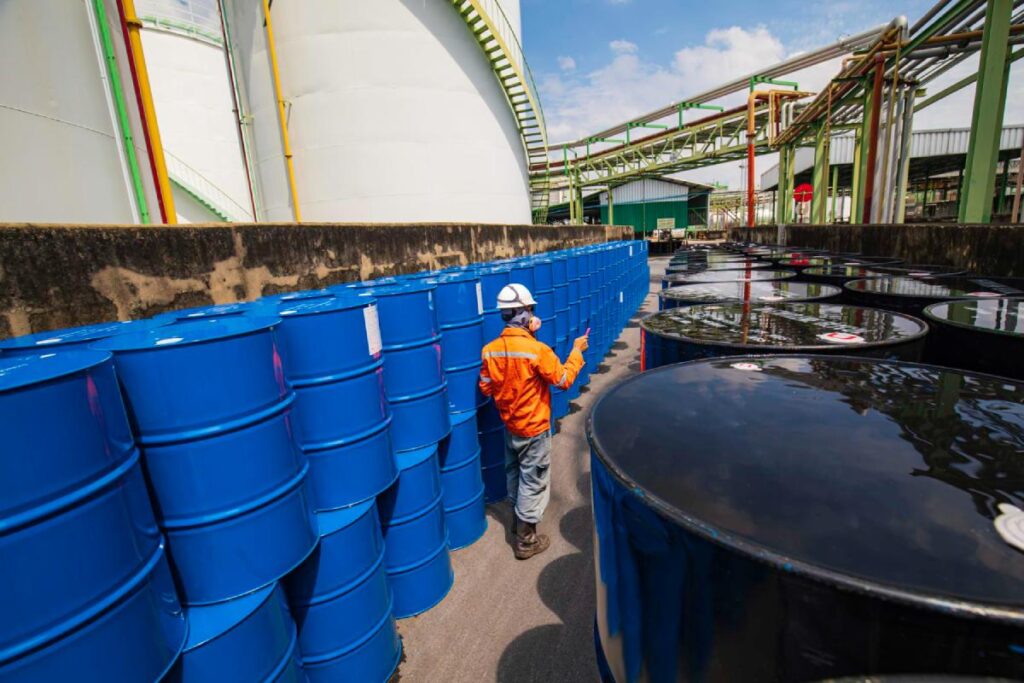
Introduction to UAN32 Production Equipment Producing UAN32 efficiently requires specialized equipment to ensure quality, consistency, and cost-effectiveness. The right machinery enhances production processes, minimizes waste, and meets industry standards for liquid fertilizer production. With the growing demand for UAN32, manufacturers must adopt advanced technologies to optimize production and maintain high standards. Mixing and Blending Systems Proper mixing is crucial in UAN32 production to achieve a homogenous solution. Advanced blending systems use high-speed agitators and automated dosing to ensure precise composition. Consistent mixing prevents crystallization and sedimentation, which can impact product quality. Additionally, using computer-controlled mixers can enhance precision and reduce human error, ensuring uniformity in every batch. Filtration and Purification Units Filtration is an essential step in UAN32 manufacturing to remove impurities that can clog distribution systems. Multi-stage filtration units help eliminate solid particles and contaminants, ensuring a high-purity final product. Some filtration systems include membrane technologies that provide ultra-purification, enhancing the overall efficiency and safety of UAN32. Storage and Handling Equipment Specialized storage tanks made from corrosion-resistant materials are necessary to store UAN32 safely. These tanks are designed to withstand chemical interactions and prevent contamination. Proper handling equipment, such as transfer pumps and pipelines, ensures smooth product movement within the facility. Automated handling systems can also enhance efficiency by reducing manual labor and ensuring precision in material transport. Heating and Temperature Control Systems Temperature control plays a vital role in UAN32 production, as fluctuations can lead to precipitation of salts. Heating systems maintain optimal production conditions, preventing crystallization and ensuring a stable final product. Some facilities implement advanced thermal insulation systems to minimize heat loss, reducing energy consumption and operational costs. Automation and Process Control Modern UAN32 production facilities utilize automated systems to monitor and control production variables. Automated dosing, real-time data tracking, and process adjustments help maintain consistency, efficiency, and regulatory compliance. Advanced SCADA (Supervisory Control and Data Acquisition) systems can improve monitoring capabilities, allowing operators to make real-time adjustments and optimize the entire production cycle. Quality Testing and Compliance Equipment Quality control is critical in UAN32 manufacturing. Advanced laboratory testing equipment ensures that each batch meets industry standards for nitrogen concentration, purity, and stability. Compliance with regulations guarantees a reliable and effective product. Regular audits and quality assessments help maintain consistent product integrity and prevent deviations that could affect agricultural performance. Energy-Efficient Production Technologies With increasing environmental concerns, many UAN32 production plants are adopting energy-efficient technologies. These include waste heat recovery systems, optimized pumping stations, and renewable energy sources to reduce the carbon footprint of fertilizer manufacturing. Investing in sustainability not only enhances operational efficiency but also helps companies meet global environmental regulations. Safety Measures and Risk Management Ensuring workplace safety in UAN32 production facilities is paramount. Installing proper ventilation systems, implementing spill containment protocols, and providing workers with protective gear are essential practices. Emergency shutdown systems and real-time monitoring sensors help prevent accidents and ensure a safe working environment. Conclusion Essential equipment for UAN32 production includes high-quality mixing systems, filtration units, storage solutions, and automation technologies. Investing in the right machinery enhances efficiency, maintains product integrity, and ensures compliance with agricultural standards. By adopting energy-efficient and safety-focused measures, manufacturers can improve operational sustainability while meeting the increasing demand for UAN32. FAQ What equipment is needed for UAN32 production? Essential equipment includes mixing systems, filtration units, storage tanks, and automation technologies. Why is mixing important in UAN32 production? Proper mixing ensures a uniform solution, preventing crystallization and improving product stability. How does filtration improve UAN32 quality? Filtration removes impurities, ensuring a high-purity product that meets industry standards. What storage conditions are ideal for UAN32? Corrosion-resistant tanks and controlled temperatures prevent degradation and contamination. How does automation enhance UAN32 production? Automated systems ensure precise mixing, real-time monitoring, and compliance with regulations. Why is temperature control necessary in UAN32 production? Maintaining optimal temperatures prevents precipitation and ensures a stable final product. What role does quality testing play in UAN32 manufacturing? Testing ensures that UAN32 meets nitrogen concentration and purity standards. How does proper handling equipment impact UAN32 production? Efficient pumps and pipelines prevent spills, contamination, and product loss. Can UAN32 production be optimized for energy efficiency? Yes, by using energy-efficient heating and automation systems, manufacturers can reduce costs. What are the main challenges in UAN32 production? Challenges include maintaining chemical balance, preventing impurities, and ensuring regulatory compliance.
Key Factors for a Successful Diesel Exhaust Fluid Plant
Choosing the Right Diesel Exhaust Fluid Making Machine The foundation of a successful diesel exhaust fluid plant starts with selecting a high-quality diesel exhaust fluid making machine. This machine is responsible for accurately mixing deionized water with high-purity urea to create DEF that meets ISO 22241 standards. When investing in a diesel exhaust fluid making machine, businesses should prioritize automation, precision, and reliability. Advanced machines with real-time monitoring, automatic shut-off features, and energy-efficient systems can significantly improve production efficiency and product consistency. Ensuring Compliance with Industry Regulations A diesel exhaust fluid plant must comply with strict industry regulations to ensure that the produced DEF meets required quality standards. DEF must have the correct urea concentration, be free from contaminants, and be stored in proper conditions. Investing in a certified diesel exhaust fluid making machine ensures that the production process adheres to industry guidelines. Regular quality control tests, documentation, and audits help businesses maintain compliance and avoid potential legal and financial issues. Optimizing the Production Workflow Efficiency is a crucial factor in running a profitable diesel exhaust fluid plant. The production workflow should be designed to minimize waste, streamline material handling, and maximize output. Integrating a state-of-the-art diesel exhaust fluid making machine into the production line helps maintain precise mixing ratios and reduces human errors. Implementing automated systems for material feeding, filtration, and storage further enhances productivity. Maintaining High-Quality Raw Materials Producing high-quality DEF requires the use of high-purity raw materials. A diesel exhaust fluid plant must source pure deionized water and technical-grade urea to ensure the final product meets industry standards. Using a top-tier diesel exhaust fluid making machine ensures that the urea and water are blended correctly without introducing contaminants. Regular testing and proper storage of raw materials are essential for maintaining product integrity. Effective Storage and Distribution Strategies Once DEF is produced, proper storage and distribution are essential to maintaining its quality. A well-designed diesel exhaust fluid plant should have temperature-controlled storage tanks and contamination-free dispensing systems. Choosing a diesel exhaust fluid making machine that integrates well with storage and packaging systems helps ensure seamless distribution. Efficient logistics planning further enhances supply chain reliability and customer satisfaction. Energy Efficiency and Cost Management Running a diesel exhaust fluid plant efficiently requires careful cost management and energy optimization. High electricity and water consumption can lead to unnecessary expenses, reducing overall profitability. Investing in an energy-efficient diesel exhaust fluid making machine helps lower operational costs. Regular maintenance, optimized workflows, and bulk purchasing of raw materials further contribute to cost savings and improved profit margins. Scalability and Future Growth Potential For long-term success, a diesel exhaust fluid plant should be designed with scalability in mind. As demand for DEF increases, businesses should be prepared to expand their production capacity. Using a modular diesel exhaust fluid making machine allows companies to scale production efficiently. Investing in infrastructure that accommodates future growth ensures sustained profitability and competitive advantage in the DEF market. Conclusion Establishing a successful diesel exhaust fluid plant requires careful planning, investment in high-quality equipment, and adherence to industry regulations. Choosing an advanced diesel exhaust fluid making machine, optimizing workflows, and ensuring high-quality raw materials contribute to consistent and efficient production. With a focus on cost management, compliance, and scalability, businesses can build a profitable and sustainable DEF production operation. Frequently Asked Questions What is a diesel exhaust fluid plant? A diesel exhaust fluid plant is a facility designed to produce DEF, a solution used in diesel engines to reduce harmful emissions. Why is compliance important for a diesel exhaust fluid plant? Compliance with ISO 22241 and other industry regulations ensures DEF purity, prevents engine damage, and avoids legal penalties. What role does a diesel exhaust fluid making machine play in production? A diesel exhaust fluid making machine accurately mixes urea and deionized water to create high-quality DEF that meets industry standards. How can I reduce operational costs in a diesel exhaust fluid plant? Using an energy-efficient diesel exhaust fluid making machine, optimizing production workflows, and buying raw materials in bulk help reduce costs. What are the storage requirements for diesel exhaust fluid? DEF should be stored in temperature-controlled tanks, away from contaminants and direct sunlight, to maintain its purity and effectiveness. How do I choose the best diesel exhaust fluid making machine? Look for a diesel exhaust fluid making machine with automation, real-time monitoring, and compliance with industry regulations. Can a diesel exhaust fluid plant be scaled up for future growth? Yes, by using a modular diesel exhaust fluid making machine and investing in scalable infrastructure, businesses can expand their production capacity. What quality control measures are necessary in DEF production? Regular testing, contamination prevention, and compliance with ISO standards ensure high-quality DEF production. How long does it take to set up a diesel exhaust fluid plant? The setup time depends on factors like facility size, regulatory approvals, and equipment installation. What is the expected return on investment for a diesel exhaust fluid plant? The ROI varies based on market demand, production efficiency, and operational costs, but most businesses see profitability within a few years.
How to Choose Reliable Diesel Exhaust Fluid Manufacturers
Understanding the Importance of Diesel Exhaust Fluid Manufacturers Diesel exhaust fluid manufacturers play a crucial role in helping businesses comply with stringent emissions regulations. Diesel Exhaust Fluid (DEF) is used in Selective Catalytic Reduction (SCR) systems to reduce nitrogen oxide emissions from diesel engines. Choosing the right manufacturer ensures that businesses receive high-quality DEF that meets ISO 22241 standards. A reliable diesel exhaust fluid manufacturer utilizes advanced production technology, such as a high-precision diesel exhaust fluid making machine, to ensure product purity and consistency. Partnering with a trusted manufacturer guarantees compliance, reduces operational risks, and helps businesses maintain an uninterrupted DEF supply. Key Characteristics of a Reliable Diesel Exhaust Fluid Manufacturer When evaluating diesel exhaust fluid manufacturers, certain characteristics set the best suppliers apart. The first factor to consider is their commitment to quality assurance. A top-tier manufacturer follows strict production standards and conducts frequent quality checks to maintain product integrity. Additionally, a reliable manufacturer invests in state-of-the-art equipment, such as an automated diesel exhaust fluid making machine, to produce DEF with the correct urea-to-water ratio. Manufacturers with industry certifications, transparent production processes, and strong distribution networks are more likely to provide dependable service. How Diesel Exhaust Fluid Manufacturers Maintain Product Quality Quality control is a top priority for reputable diesel exhaust fluid manufacturers. DEF must be free from impurities and produced with precise mixing techniques to ensure optimal performance in diesel engines. Using an advanced diesel exhaust fluid making machine, manufacturers can achieve consistent DEF purity. Regular laboratory testing, proper storage conditions, and compliance with ISO standards further enhance product quality. Businesses should verify whether a manufacturer adheres to these best practices before establishing a partnership. Factors to Consider When Choosing a Diesel Exhaust Fluid Manufacturer Several factors influence the selection of a reliable diesel exhaust fluid manufacturer. The most important aspects to evaluate include production capacity, supply chain reliability, regulatory compliance, and customer support. Manufacturers that use a high-quality diesel exhaust fluid making machine can produce DEF at scale without compromising quality. Additionally, businesses should assess the manufacturer’s reputation, delivery timelines, and ability to handle bulk orders efficiently. The Role of Diesel Exhaust Fluid Making Machines in Manufacturing A diesel exhaust fluid making machine is an essential component of any DEF manufacturing facility. This machine ensures that the correct proportion of deionized water and urea is mixed to meet industry standards. Reliable diesel exhaust fluid manufacturers use automated production equipment to eliminate human error, improve efficiency, and reduce contamination risks. Investing in a supplier that utilizes advanced machinery guarantees a higher-quality product and a more reliable supply chain. Verifying Compliance and Certifications of Diesel Exhaust Fluid Manufacturers Ensuring that diesel exhaust fluid manufacturers comply with industry regulations is critical for businesses. DEF must meet ISO 22241 standards to prevent engine damage and ensure environmental compliance. Manufacturers that invest in a high-performance diesel exhaust fluid making machine are more likely to meet these strict quality and purity standards. Businesses should request compliance certificates, quality assurance reports, and product test results before selecting a supplier. Benefits of Partnering with a Trusted Diesel Exhaust Fluid Manufacturer Working with a reliable diesel exhaust fluid manufacturer offers numerous advantages. High-quality DEF improves fuel efficiency, extends engine life, and ensures compliance with emission regulations. Additionally, manufacturers that use a cutting-edge diesel exhaust fluid making machine can provide consistent DEF supply, reducing risks associated with supply chain disruptions. Long-term partnerships with trusted manufacturers also lead to cost savings and better customer service. Conclusion Selecting the right diesel exhaust fluid manufacturer is essential for businesses that rely on DEF for regulatory compliance and engine efficiency. By evaluating quality control processes, production capabilities, and industry certifications, businesses can find a manufacturer that meets their needs. Manufacturers that use advanced diesel exhaust fluid making machine technology provide superior product quality, ensuring a stable and high-purity DEF supply. Frequently Asked Questions What do diesel exhaust fluid manufacturers do? Diesel exhaust fluid manufacturers produce DEF, a solution that reduces nitrogen oxide emissions in diesel engines. Why is choosing the right diesel exhaust fluid manufacturer important? A reliable diesel exhaust fluid manufacturer ensures high-quality DEF, regulatory compliance, and consistent product supply. What role does a diesel exhaust fluid making machine play in production? A diesel exhaust fluid making machine automates the blending of urea and deionized water, ensuring accurate DEF composition. How can I verify if a diesel exhaust fluid manufacturer meets industry standards? Check for ISO 22241 certifications, quality control processes, and compliance with industry regulations. What factors should I consider when selecting a diesel exhaust fluid manufacturer? Production capacity, compliance certifications, supply chain reliability, and use of a high-quality diesel exhaust fluid making machine are key factors. How does a high-quality diesel exhaust fluid making machine improve DEF production? It ensures precise mixing, reduces contamination risks, and improves overall production efficiency. Can poor-quality DEF damage diesel engines? Yes, low-quality DEF can lead to SCR system failures, increased emissions, and reduced engine performance. How often should DEF quality be tested? DEF should be tested regularly to ensure it meets ISO purity standards and remains free from contamination. What are the benefits of working with a large-scale diesel exhaust fluid manufacturer? Larger manufacturers offer better production capacity, stable supply chains, and more competitive pricing. Is buying DEF directly from manufacturers cost-effective? Yes, purchasing DEF directly from diesel exhaust fluid manufacturers reduces costs and ensures product quality.
Top Diesel Exhaust Fluid Manufacturers and Their Benefits
The Role of Diesel Exhaust Fluid Manufacturers in Emission Control Diesel exhaust fluid manufacturers play a crucial role in reducing harmful emissions from diesel engines. DEF is an essential component in Selective Catalytic Reduction (SCR) technology, which helps lower nitrogen oxide emissions. As global regulations on diesel emissions tighten, the demand for high-quality DEF continues to rise. To meet these demands, diesel exhaust fluid manufacturers must ensure that their products comply with ISO 22241 standards. This ensures that DEF remains free of contaminants, maintains proper urea concentration, and does not damage SCR systems. Utilizing an advanced diesel exhaust fluid making machine is essential for manufacturers to maintain consistent quality and meet regulatory requirements. Key Factors That Define a Reliable Diesel Exhaust Fluid Manufacturer Not all diesel exhaust fluid manufacturers provide the same level of quality and reliability. When selecting a manufacturer, businesses must consider several factors to ensure that they receive high-purity DEF that meets industry standards. A reputable manufacturer should use a state-of-the-art diesel exhaust fluid making machine to maintain consistent production quality. Additionally, the manufacturer should follow strict quality control measures, offer transparent compliance documentation, and provide efficient logistics and distribution services to ensure timely delivery of DEF. How Diesel Exhaust Fluid Manufacturers Maintain Product Quality Maintaining DEF quality is a priority for diesel exhaust fluid manufacturers. High-purity urea and deionized water must be used to produce a solution that meets regulatory requirements. Any contamination can compromise DEF performance and cause damage to diesel engines. By using a high-precision diesel exhaust fluid making machine, manufacturers can ensure accurate mixing ratios and prevent impurities. Regular laboratory testing, proper storage conditions, and advanced filtration systems further contribute to maintaining product integrity. Benefits of Choosing the Right Diesel Exhaust Fluid Manufacturer Selecting a reliable diesel exhaust fluid manufacturer offers several advantages. The most significant benefit is consistent product quality, which ensures optimal performance in diesel engines. High-quality DEF helps improve fuel efficiency and extends the lifespan of SCR systems. Additionally, working with a reputable manufacturer guarantees compliance with environmental regulations. A manufacturer that invests in advanced diesel exhaust fluid making machine technology can provide bulk production while maintaining high purity levels. Businesses that rely on a trusted supplier can also secure better pricing and more reliable supply chain operations. Technological Advancements in Diesel Exhaust Fluid Manufacturing Recent technological advancements have transformed the way diesel exhaust fluid manufacturers produce DEF. Modern production plants utilize fully automated diesel exhaust fluid making machine systems that enhance efficiency and reduce human error. Automated quality control systems, real-time production monitoring, and advanced filtration processes ensure that the final product meets strict purity requirements. These innovations allow manufacturers to increase production capacity while maintaining the highest quality standards, benefiting businesses that rely on DEF. Environmental and Economic Benefits of Diesel Exhaust Fluid Manufacturers Diesel exhaust fluid manufacturers play a vital role in reducing the environmental impact of diesel engines. By producing high-quality DEF, these manufacturers help lower nitrogen oxide emissions, improving air quality and contributing to sustainability initiatives. From an economic perspective, businesses that partner with a reliable diesel exhaust fluid manufacturer can lower operational costs by improving fuel efficiency and reducing maintenance expenses. Manufacturers that invest in energy-efficient diesel exhaust fluid making machine technology can also lower production costs, benefiting consumers through competitive pricing. How to Choose the Best Diesel Exhaust Fluid Manufacturer for Your Business Choosing the right diesel exhaust fluid manufacturer requires careful evaluation of several factors. Businesses should assess the manufacturer’s reputation, production capacity, compliance certifications, and commitment to quality assurance. Manufacturers that use an advanced diesel exhaust fluid making machine and adhere to strict regulatory guidelines are more likely to provide high-quality DEF. Additionally, businesses should consider supply chain reliability, delivery capabilities, and customer support services when selecting a DEF supplier. Conclusion Diesel exhaust fluid manufacturers play a crucial role in helping businesses comply with emission regulations while improving diesel engine efficiency. A reputable manufacturer invests in advanced diesel exhaust fluid making machine technology to ensure consistent product quality. By choosing the right manufacturer, businesses can secure a reliable DEF supply, optimize operational costs, and contribute to environmental sustainability. Frequently Asked Questions What do diesel exhaust fluid manufacturers do? Diesel exhaust fluid manufacturers produce DEF, a solution that reduces nitrogen oxide emissions in diesel engines. Why is it important to choose a reliable diesel exhaust fluid manufacturer? A reputable diesel exhaust fluid manufacturer ensures high-quality DEF, compliance with regulations, and a reliable supply chain. How is diesel exhaust fluid made? DEF is produced using a diesel exhaust fluid making machine that accurately blends high-purity urea with deionized water. What certifications should a diesel exhaust fluid manufacturer have? A reliable diesel exhaust fluid manufacturer should comply with ISO 22241 standards and other industry regulations. How do diesel exhaust fluid manufacturers ensure product quality? Manufacturers use a high-precision diesel exhaust fluid making machine, conduct laboratory tests, and implement strict quality control measures. Can diesel exhaust fluid be contaminated? Yes, contamination can occur if DEF is not properly stored or if low-quality production methods are used. What are the benefits of using high-quality DEF? High-quality DEF improves fuel efficiency, extends the life of SCR systems, and ensures compliance with emissions regulations. What is the role of a diesel exhaust fluid making machine in DEF production? A diesel exhaust fluid making machine automates the mixing process, ensuring accurate blending and consistent DEF quality. How can I verify the reliability of a diesel exhaust fluid manufacturer? Check for industry certifications, production capacity, and customer reviews to evaluate a diesel exhaust fluid manufacturer. Is it cost-effective to buy DEF directly from manufacturers? Yes, purchasing DEF directly from diesel exhaust fluid manufacturers can reduce costs and ensure consistent supply.
How to Make Your Own DEF Safely and Efficiently
Understanding the Importance of Diesel Exhaust Fluid Diesel exhaust fluid (DEF) is a critical component in reducing harmful emissions from diesel engines. It is used in Selective Catalytic Reduction (SCR) systems to convert nitrogen oxides (NOx) into harmless water and nitrogen, helping vehicles meet environmental regulations. Making your own DEF can be a cost-effective solution, but it requires precision and high-quality equipment, such as a reliable diesel exhaust fluid making machine. Ensuring the correct formulation is essential to maintain engine efficiency and prevent damage to the SCR system. Key Ingredients Required to Make Your Own DEF The primary components of diesel exhaust fluid are high-purity urea and deionized water. The urea must be technical-grade (32.5% concentration) and free from impurities. Using impure water or lower-grade urea can result in DEF contamination, leading to engine malfunctions. A high-quality diesel exhaust fluid making machine ensures accurate blending of these ingredients to maintain compliance with ISO 22241 standards. Investing in proper raw materials and equipment helps ensure long-term reliability and performance. The Role of a Diesel Exhaust Fluid Making Machine Using a diesel exhaust fluid making machine is the most efficient way to produce DEF at scale. These machines automate the mixing process, ensuring the correct proportion of urea to deionized water, eliminating errors that could affect DEF quality. A high-quality diesel exhaust fluid making machine also includes filtration systems to remove impurities, preventing contamination. Automation improves accuracy, reduces human errors, and ensures consistent product quality, making it the best option for those looking to produce DEF reliably. Step-by-Step Guide to Making Your Own DEF Producing your own diesel exhaust fluid involves a precise process. Here’s how to do it properly: Source high-purity urea and deionized water. Use a calibrated diesel exhaust fluid making machine to mix the two ingredients in the correct 32.5% urea-to-water ratio. Ensure proper filtration to remove any potential contaminants. Store the DEF in a temperature-controlled, contamination-free environment. Following these steps ensures high-quality DEF that meets industry standards, protecting diesel engines from potential issues. Proper Storage and Handling of Homemade DEF Once you have successfully produced diesel exhaust fluid, proper storage and handling are crucial to maintain its quality. DEF is sensitive to temperature changes and contaminants, requiring specific storage conditions. Avoid exposing DEF to direct sunlight and extreme temperatures. Using sealed, non-metallic containers prevents contamination. A well-maintained diesel exhaust fluid making machine also helps ensure DEF remains pure throughout production and storage. Common Mistakes to Avoid When Making DEF There are several common mistakes that can compromise the quality of diesel exhaust fluid. One of the most significant errors is using tap water instead of deionized water, which introduces impurities and damages SCR systems. Another mistake is failing to use a proper diesel exhaust fluid making machine, leading to inaccurate mixing and inconsistent DEF quality. Ensuring correct storage conditions and conducting regular quality tests will help prevent these common pitfalls. Cost Savings and Benefits of Making Your Own DEF Producing your own diesel exhaust fluid can be a cost-effective alternative to purchasing pre-packaged DEF. By investing in a reliable diesel exhaust fluid making machine, businesses can significantly lower production costs while ensuring a steady supply. Long-term savings come from reducing reliance on external suppliers, avoiding price fluctuations, and maintaining control over DEF quality. For large-scale operations, in-house production leads to better efficiency, improved profitability, and environmental benefits. Conclusion Making your own diesel exhaust fluid is a viable option for businesses looking to save costs and maintain control over product quality. By using a high-quality diesel exhaust fluid making machine, following the correct formulation, and ensuring proper storage, you can produce DEF that meets industry standards. Investing in the right equipment and raw materials ensures long-term success and compliance with environmental regulations. Frequently Asked Questions Can I make my own diesel exhaust fluid at home? While possible, making diesel exhaust fluid requires precision, high-purity urea, and a diesel exhaust fluid making machine to ensure quality and compliance with industry standards. What is the correct ratio of urea to water in DEF? The standard DEF formula consists of 32.5% high-purity urea and 67.5% deionized water. Why is deionized water necessary for making DEF? Deionized water ensures that diesel exhaust fluid remains free from minerals and contaminants that could damage SCR systems. How long does DEF last after production? When stored properly, diesel exhaust fluid has a shelf life of about one year. What equipment do I need to make my own DEF? A diesel exhaust fluid making machine, high-purity urea, deionized water, and proper storage containers are essential. Can I use tap water to make DEF? No, tap water contains impurities that can degrade the quality of diesel exhaust fluid and damage the engine’s SCR system. How do I store DEF properly? Store diesel exhaust fluid in a temperature-controlled, sealed, non-metallic container away from direct sunlight. What happens if DEF is contaminated? Contaminated diesel exhaust fluid can cause engine malfunctions, increased emissions, and SCR system failures. Is making my own DEF cheaper than buying it? Yes, investing in a diesel exhaust fluid making machine allows businesses to reduce costs and ensure a consistent supply. What are the risks of making DEF incorrectly? Improperly mixed diesel exhaust fluid can lead to SCR system failure, regulatory violations, and costly engine repairs.
Step-by-Step Guide to Make Your Own DEF Fluid Safely
Understanding the Importance of DEF and Why You Should Make Your Own DEF Fluid Diesel Exhaust Fluid (DEF) is an essential component used in Selective Catalytic Reduction (SCR) systems to reduce harmful emissions from diesel engines. The proper use of DEF helps lower nitrogen oxide (NOx) emissions, ensuring compliance with environmental regulations. If you want to make your own DEF fluid, you must follow strict guidelines to maintain the required 32.5% urea and 67.5% deionized water ratio. Incorrectly produced DEF can damage engines and fail to meet regulatory standards, making high-quality production essential. Essential Ingredients to Make Your Own DEF Fluid The main ingredients required to make your own DEF fluid are high-purity urea and deionized water. Using impure urea or regular tap water can introduce contaminants, leading to poor DEF performance and potential engine damage. It is critical to source technical-grade urea with at least 99.6% purity. Additionally, deionized water must be free from minerals and impurities. Properly sourcing these materials ensures that your homemade DEF remains effective and safe for diesel engines. The Equipment Needed to Make Your Own DEF Fluid To successfully make your own DEF fluid, you need specialized equipment. The most important piece of equipment is a DEF production system that ensures precise blending of urea and water. Filtration systems are also necessary to remove any unwanted particles. Proper storage tanks and sealed, non-metallic containers will help maintain DEF quality after production. Using the right equipment minimizes the risk of contamination and ensures a reliable DEF supply. Step-by-Step Process to Make Your Own DEF Fluid Following a precise process is essential to make your own DEF fluid correctly. Here are the steps to ensure high-quality production: Measure 32.5% technical-grade urea and 67.5% deionized water. Slowly dissolve the urea in the water while stirring constantly. Use a filtration system to remove any particles or contaminants. Store the DEF in sealed, non-metallic containers to prevent contamination. Keep the stored DEF in a controlled environment, avoiding extreme temperatures and direct sunlight. Following these steps ensures that your homemade DEF meets industry standards and functions properly in diesel engines. Proper Storage and Handling After You Make Your Own DEF Fluid After successfully producing DEF, proper storage is essential to maintain its quality. Exposure to heat, light, and contaminants can degrade DEF, making it ineffective for SCR systems. When you make your own DEF fluid, always store it in sealed, UV-resistant plastic containers. Keep the storage area between 12°C and 25°C (55°F to 77°F) to prevent degradation. Regularly inspect stored DEF for contamination or crystallization. Common Mistakes to Avoid When You Make Your Own DEF Fluid Many people attempt to make your own DEF fluid without following proper guidelines, leading to poor-quality DEF. One of the most common mistakes is using tap water instead of deionized water, which introduces harmful minerals. Another mistake is improper urea-to-water mixing ratios. Overly diluted or concentrated DEF can lead to system failures. Ensuring that all materials and processes meet ISO 22241 standards helps maintain DEF quality and prevents costly engine damage. Advantages of Choosing to Make Your Own DEF Fluid Choosing to make your own DEF fluid offers several benefits, including cost savings and a reliable DEF supply. Commercial DEF can be expensive, especially for large fleets, making in-house production a cost-effective solution. Additionally, making your own DEF ensures consistent quality and prevents supply chain disruptions. By controlling the production process, businesses can maintain compliance with regulations while reducing operational costs. Conclusion Deciding to make your own DEF fluid can be a smart choice if done correctly. By sourcing high-purity materials, following precise mixing procedures, and storing DEF properly, you can produce high-quality DEF that meets industry standards. Proper production reduces costs, ensures engine protection, and helps meet environmental regulations. Following these best practices will ensure that your homemade DEF is safe, effective, and reliable. Frequently Asked Questions Can I make my own DEF fluid at home? Yes, but you must follow strict guidelines and use high-purity urea and deionized water to ensure proper DEF quality. What is the correct ratio to make your own DEF fluid? The correct ratio is 32.5% high-purity urea and 67.5% deionized water. Why do I need deionized water to make DEF? Deionized water ensures that your DEF remains free from minerals and contaminants that could damage diesel engine SCR systems. Can I use tap water when I make my own DEF fluid? No, tap water contains impurities that can cause DEF to degrade and lead to SCR system malfunctions. How long does homemade DEF last? When stored properly in a sealed, non-metallic container, DEF has a shelf life of about one year. What happens if my DEF is contaminated? Contaminated DEF can cause serious damage to the SCR system, leading to increased emissions and costly engine repairs. How should I store DEF after I make it? Store DEF in a cool, dry place away from direct sunlight, and use sealed, UV-resistant plastic containers to prevent contamination. Can making my own DEF save money? Yes, producing DEF in-house can significantly reduce costs, especially for businesses that require large quantities. Is homemade DEF as good as commercially produced DEF? If made using high-quality ingredients and the correct process, homemade DEF can be just as effective as commercial DEF. What are the risks of making DEF incorrectly? If the DEF ratio is incorrect or if contamination occurs, the SCR system can fail, leading to high repair costs and non-compliance with emissions regulations.
Construction of Diesel Exhaust Fluid Production Plant
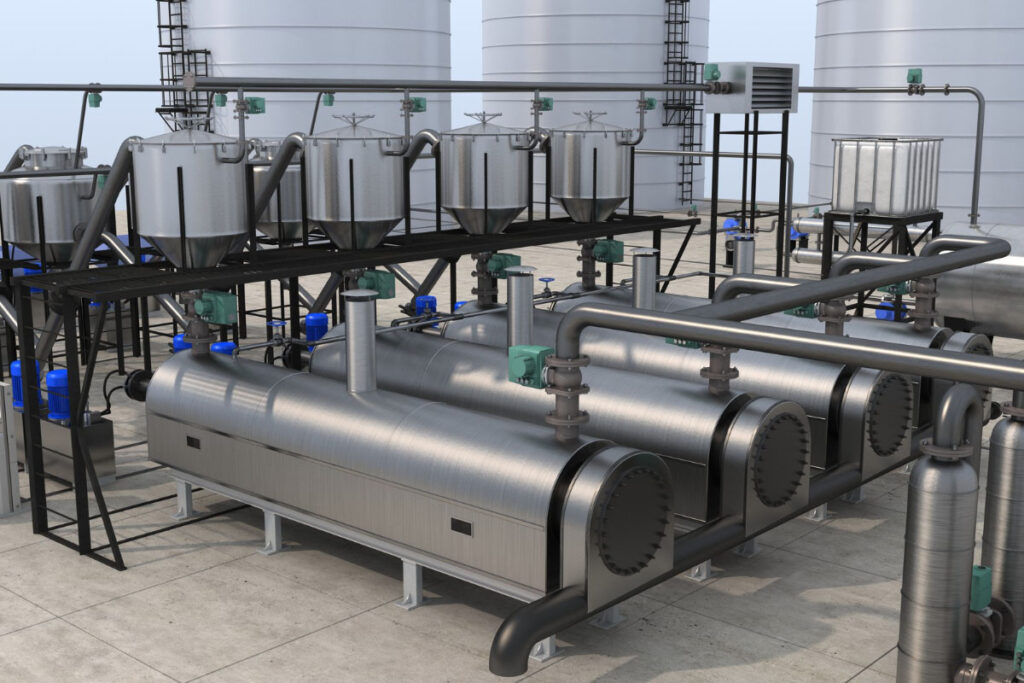
Understanding the Importance of a Diesel Exhaust Fluid Manufacturing Plant Building a diesel exhaust fluid manufacturing plant is a strategic investment for businesses looking to meet the rising demand for DEF. As emission regulations become more stringent, the need for high-quality DEF continues to grow, making in-house production a cost-effective and reliable solution. Producing DEF in-house ensures quality control, regulatory compliance, and a steady supply of DEF for transportation and industrial applications. Utilizing a high-performance diesel exhaust fluid making machine allows businesses to optimize production and maintain consistent product quality, ensuring adherence to ISO 22241 standards. Selecting the Right Location for Your Diesel Exhaust Fluid Manufacturing Plant The location of a diesel exhaust fluid manufacturing plant plays a crucial role in its operational success. It should be strategically positioned near raw material suppliers, major transportation routes, and key distribution networks to minimize logistical costs. Additionally, zoning regulations, environmental permits, and access to utilities such as water and electricity must be considered. A well-placed diesel exhaust fluid manufacturing plant helps streamline production, reduce transportation expenses, and enhance overall efficiency. Choosing the Best Diesel Exhaust Fluid Making Machine At the heart of any diesel exhaust fluid manufacturing plant is a high-quality diesel exhaust fluid making machine. This machine is responsible for accurately mixing deionized water and high-purity urea to produce DEF that meets industry standards. When selecting a diesel exhaust fluid making machine, businesses should consider factors such as automation, production capacity, filtration efficiency, and ease of maintenance. Advanced machines with automated controls improve accuracy and reduce human errors, ensuring a more efficient and cost-effective production process. Establishing a Streamlined Production Process Efficiency is key when setting up a diesel exhaust fluid manufacturing plant. The production process should be designed to minimize waste and maximize output. This involves setting up storage tanks for raw materials, an advanced mixing system, and automated quality control measures. By integrating a modern diesel exhaust fluid making machine into the workflow, businesses can improve precision and maintain product consistency. Implementing a structured production process also helps reduce downtime and increases overall efficiency. Ensuring Compliance with Industry Regulations Compliance with industry standards is essential for any diesel exhaust fluid manufacturing plant. DEF production must meet strict ISO 22241 guidelines to guarantee purity and effectiveness. Failure to comply with these regulations can result in fines and product recalls. To ensure compliance, businesses should regularly test their DEF quality, maintain proper storage conditions, and use certified raw materials. A high-quality diesel exhaust fluid making machine helps achieve consistent results and prevents contamination, ensuring regulatory adherence. Managing Costs and Maximizing Profitability Building a diesel exhaust fluid manufacturing plant requires a significant investment, but effective cost management strategies can maximize profitability. One way to reduce costs is by choosing an energy-efficient diesel exhaust fluid making machine that minimizes electricity and water consumption. Bulk purchasing raw materials, optimizing production workflows, and implementing preventive maintenance strategies also help lower operational expenses. By carefully managing costs, businesses can increase their return on investment and ensure long-term profitability. Expanding Market Reach and Business Growth Once a diesel exhaust fluid manufacturing plant is fully operational, businesses should focus on expanding their market reach. DEF is widely used in transportation, agriculture, and industrial sectors, providing numerous opportunities for growth. By investing in additional diesel exhaust fluid making machine units and forming partnerships with distributors, companies can scale up production and increase their market share. Developing a strong brand presence and offering competitive pricing further enhances business growth potential. Conclusion Building a diesel exhaust fluid manufacturing plant requires careful planning, strategic investment, and the right equipment. A high-quality diesel exhaust fluid making machine ensures efficient production, regulatory compliance, and consistent DEF quality. By managing costs effectively and expanding market reach, businesses can establish a profitable and sustainable DEF production operation. Frequently Asked Questions What is a diesel exhaust fluid manufacturing plant? A diesel exhaust fluid manufacturing plant is a facility designed to produce DEF, a solution used to reduce emissions in diesel engines. Why is investing in a diesel exhaust fluid manufacturing plant beneficial? Owning a diesel exhaust fluid manufacturing plant ensures a stable DEF supply, reduces costs, and provides greater control over product quality. What equipment is needed to set up a diesel exhaust fluid manufacturing plant? Essential equipment includes a diesel exhaust fluid making machine, raw material storage tanks, mixing systems, filtration units, and quality control tools. How do I choose the right diesel exhaust fluid making machine? Consider factors such as production capacity, automation features, energy efficiency, and compliance with industry standards when selecting a diesel exhaust fluid making machine. What are the regulatory requirements for a diesel exhaust fluid manufacturing plant? A diesel exhaust fluid manufacturing plant must comply with ISO 22241 standards and environmental regulations to ensure product purity and effectiveness. How can I reduce operational costs in my diesel exhaust fluid manufacturing plant? Invest in an energy-efficient diesel exhaust fluid making machine, buy raw materials in bulk, automate production, and implement preventive maintenance strategies. How long does it take to set up a diesel exhaust fluid manufacturing plant? The setup time depends on factors such as plant size, equipment installation, regulatory approvals, and workforce training. Can I expand my diesel exhaust fluid manufacturing plant in the future? Yes, businesses can expand their diesel exhaust fluid manufacturing plant by increasing production capacity, investing in additional diesel exhaust fluid making machine units, and entering new markets. What are the main challenges in building a diesel exhaust fluid manufacturing plant? Challenges include meeting regulatory requirements, securing high-quality raw materials, managing costs, and ensuring consistent DEF production quality. What is the expected return on investment for a diesel exhaust fluid manufacturing plant? The return on investment varies based on production scale, market demand, and operational efficiency, but most businesses achieve profitability within a few years.
Key Benefits of a Diesel Exhaust Fluid Plant Investment
Ensuring a Steady Supply of High-Quality DEF Investing in a diesel exhaust fluid plant allows businesses to maintain a consistent and high-quality supply of DEF. Diesel Exhaust Fluid (DEF) is essential for reducing harmful emissions from diesel engines, and its demand is increasing due to stricter environmental regulations. By producing DEF in-house, companies eliminate dependency on third-party suppliers and potential supply chain disruptions. Using a high-quality diesel exhaust fluid making machine ensures that the production process meets industry standards such as ISO 22241. Consistency in DEF quality prevents engine failures and enhances the longevity of Selective Catalytic Reduction (SCR) systems. Cost Savings and Increased Profit Margins One of the main benefits of establishing a diesel exhaust fluid plant is the significant cost savings associated with in-house production. Purchasing DEF from suppliers can be expensive, especially when transportation and storage costs are factored in. By investing in a reliable diesel exhaust fluid making machine, businesses can produce DEF at a lower cost per gallon compared to purchasing it externally. This cost efficiency translates to higher profit margins, making the investment highly attractive for fleet operators, fuel distributors, and industrial businesses. Compliance with Environmental Regulations Governments worldwide are tightening regulations on diesel engine emissions, making DEF a critical component for compliance. A well-established diesel exhaust fluid plant ensures that businesses can meet these requirements without relying on external DEF suppliers. Using a high-quality diesel exhaust fluid making machine guarantees that the DEF produced adheres to strict purity and composition standards. Compliance with emission laws not only avoids legal penalties but also enhances a company’s reputation as an environmentally responsible organization. Opportunities for Business Expansion Owning a diesel exhaust fluid plant opens new business opportunities. As the demand for DEF continues to grow, businesses can scale up production and supply to other companies, transportation fleets, and fuel stations. By using a high-capacity diesel exhaust fluid making machine, companies can expand their market reach and establish long-term supply contracts. This diversification creates a steady revenue stream and strengthens the company’s position in the industry. Improved Supply Chain Control and Reliability Dependence on third-party DEF suppliers comes with risks, including price fluctuations, delivery delays, and quality inconsistencies. A self-sufficient diesel exhaust fluid plant eliminates these uncertainties, ensuring a reliable and controlled supply chain. By utilizing a well-maintained diesel exhaust fluid making machine, businesses can regulate production schedules based on demand, reduce lead times, and minimize operational disruptions. This level of control results in greater efficiency and overall cost-effectiveness. Long-Term Sustainability and Energy Efficiency Building a diesel exhaust fluid plant aligns with sustainability goals by reducing carbon footprints and promoting environmentally friendly operations. In-house DEF production reduces the need for long-distance transportation, lowering greenhouse gas emissions. Modern diesel exhaust fluid making machine models are designed with energy-efficient features that optimize resource consumption. Investing in energy-saving equipment leads to long-term operational savings while maintaining high DEF production standards. Enhanced Brand Reputation and Market Competitiveness Companies that invest in a diesel exhaust fluid plant demonstrate a commitment to quality, compliance, and environmental responsibility. This investment strengthens brand credibility and helps attract new customers who prioritize sustainability and regulatory adherence. By using an advanced diesel exhaust fluid making machine, businesses can differentiate themselves from competitors by offering premium-quality DEF. This advantage builds customer trust and fosters long-term business relationships. Conclusion Investing in a diesel exhaust fluid plant provides numerous benefits, including cost savings, supply chain control, compliance with regulations, and business expansion opportunities. By incorporating a high-quality diesel exhaust fluid making machine, companies can ensure efficient production while maintaining environmental sustainability. With increasing demand for DEF, this investment positions businesses for long-term success and profitability. Frequently Asked Questions What is a diesel exhaust fluid plant? A diesel exhaust fluid plant is a facility that produces DEF, a solution used to reduce emissions in diesel engines. Why should I invest in a diesel exhaust fluid plant? Investing in a diesel exhaust fluid plant reduces costs, ensures compliance with regulations, and provides a stable DEF supply. What equipment is needed for a diesel exhaust fluid plant? Essential equipment includes a diesel exhaust fluid making machine, storage tanks, filtration systems, and quality testing tools. How does a diesel exhaust fluid making machine work? A diesel exhaust fluid making machine blends deionized water with urea to produce DEF that meets industry standards. Is producing DEF in-house more cost-effective than buying it? Yes, in-house production using a diesel exhaust fluid making machine reduces costs compared to purchasing DEF from suppliers. What are the regulatory requirements for DEF production? A diesel exhaust fluid plant must comply with ISO 22241 standards and local environmental regulations. Can I scale up production in my diesel exhaust fluid plant? Yes, by investing in additional diesel exhaust fluid making machine units and optimizing production capacity. How do I ensure high-quality DEF production? Using a certified diesel exhaust fluid making machine and maintaining strict quality control measures ensures high DEF purity. How long does it take to set up a diesel exhaust fluid plant? The setup time varies based on plant size, equipment procurement, and regulatory approvals. What are the long-term benefits of a diesel exhaust fluid plant investment? Long-term benefits include cost savings, supply chain reliability, regulatory compliance, and business growth opportunities.


