
Meet Atmosfer Makina at Automechanika Istanbul 2025: Explore Next-Gen AdBlue Production Line Solutions

Discover Atmosfer Makina at Automechanika Istanbul 2025, showcasing next-gen AdBlue production line solutions. From turnkey AdBlue plants in Turkey to innovative DEF technologies—join us at the global expo for cleaner fuel production. Automechanika Istanbul 2025 stands as one of the most anticipated automotive trade shows of the year. Taking place from May 8–11, 2025, at the TÜYAP Fair and Congress Center, the event connects automotive professionals across Europe, Asia, and the Middle East. With more than 1,400 exhibitors and over 50,000 visitors expected, this international platform offers the perfect stage for manufacturers, suppliers, and technology leaders to unveil their latest innovations. Among the top exhibitors this year is Atmosfer Makina, a leading AdBlue production line manufacturer from Turkey. Known for delivering advanced machinery and turnkey AdBlue plant solutions, the company brings its engineering excellence and customer-centric approach to the forefront of the DEF (Diesel Exhaust Fluid) industry. Attendees can expect to explore high-efficiency production systems designed to meet the growing global demand for environmentally compliant fuel additives. Why Automechanika Matters for the AdBlue Industry With environmental regulations tightening across global markets, the need for efficient, scalable, and sustainable AdBlue production is stronger than ever. AdBlue, also known as Diesel Exhaust Fluid (DEF), is a urea-based solution used to reduce nitrogen oxide (NOx) emissions from diesel engines. As the automotive industry pivots toward cleaner and more eco-conscious practices, companies involved in AdBlue manufacturing play a critical role in ensuring regulatory compliance and air quality improvement. Automechanika Istanbul 2025 provides a timely platform for companies like Atmosfer Makina to showcase how innovative technology can support these objectives. As an AdBlue equipment supplier Turkey with a growing international reputation, Atmosfer Makina is set to demonstrate how intelligent automation, modular systems, and IoT-enabled solutions are transforming DEF production. Meet Atmosfer Makina: Innovation, Quality, and Global Reach Founded with a mission to provide high-performance industrial solutions, Atmosfer Makina has become a trusted name in the DEF and AdBlue industry. Specializing in machinery design, manufacturing, and integration, the company offers complete production lines for AdBlue blending, storage, filling, labeling, and packaging. Core Competencies AdBlue blending and packaging systems Designed to ensure ISO 22241 compliance and minimize impurities, these systems provide accurate mixing ratios and consistent product quality. Custom turnkey AdBlue plants From compact, containerized units to fully automated production facilities, Atmosfer Makina delivers bespoke setups tailored to the client’s location, capacity, and operational goals. Smart automation and data systems Their production lines feature modern monitoring interfaces, enabling users to remotely control and analyze the performance of their AdBlue systems in real time. Export-ready machinery With CE and ATEX certifications, Atmosfer Makina’s equipment meets the rigorous standards required for distribution in Europe, the Middle East, Africa, and Asia. As a result, Atmosfer Makina has earned a solid reputation not only as a machinery producer but also as a DEF production line expo Istanbul highlight. Their participation in Automechanika 2025 marks a strategic effort to expand global partnerships, explore new markets, and demonstrate their competitive edge. What Visitors Can Expect at the Atmosfer Makina Booth At Automechanika Istanbul 2025, Atmosfer Makina’s exhibition stand will be more than just a product showcase—it will be a hub for innovation, collaboration, and future-focused technology. Attendees will have the opportunity to: Witness real-time machine demonstrations See how automated blending, filling, and packaging systems work together to deliver seamless AdBlue production processes. Engage in live Q&A with technical experts Atmosfer Makina’s engineering team will be available to discuss production challenges, technical needs, and project feasibility. Explore customizable solutions Whether for high-volume plants or portable production modules, the stand will present flexible configurations to meet diverse business needs. Receive exclusive brochures and digital resources Visitors can take home or download full technical catalogs, setup diagrams, and system configuration samples for further exploration. For those interested in clean fuel technology, industrial automation, or expanding into the AdBlue market, this is a must-visit booth. With growing demand in both developed and emerging economies, Atmosfer Makina’s intelligent machinery is positioned as a cornerstone of next-generation fuel systems. A Word from the Founder “Participating in Automechanika Istanbul is more than a business opportunity—it’s a chance to connect with visionaries who are shaping the future of the automotive and clean fuels industry,” says the founder of Atmosfer Makina. “We’re proud to present our latest AdBlue solutions and demonstrate how turnkey efficiency, compliance, and sustainability can go hand-in-hand.” Cutting-Edge Technology Behind Atmosfer Makina’s AdBlue Solutions As the global demand for cleaner fuel additives grows, manufacturers are seeking not only quality equipment but also long-term operational efficiency. Atmosfer Makina has addressed this industry need by developing some of the most advanced and user-friendly AdBlue blending and packaging systems on the market. Designed with flexibility, precision, and durability in mind, these systems represent a new standard for DEF (Diesel Exhaust Fluid) production lines. Whether you’re launching a small production unit or managing a large-scale facility, Atmosfer Makina offers modular configurations that suit all business sizes. Their in-depth engineering approach ensures that every machine aligns with both local regulations and global standards like ISO 22241. Comprehensive Product Range for AdBlue Production Atmosfer Makina offers a full suite of AdBlue manufacturing equipment, including: Blending Units These automated systems mix urea and deionized water with exact ratios, ensuring homogeneity and chemical stability. The machines are equipped with: Real-time conductivity and density sensors Anti-corrosive internal surfaces Automated mixing algorithms with fail-safes This allows production managers to maintain consistency across batches while optimizing input usage and minimizing waste. Filling and Capping Machines Available in multiple capacity models—from 5L jerrycans to 1000L IBC tanks—these machines are tailored for precision dosing and high-speed operation. Features include: Servo-driven filling valves for low tolerance levels Anti-drip mechanisms to maintain cleanliness Quick changeover options for different packaging sizes Labeling Systems Using high-resolution print-and-apply technology, Atmosfer Makina’s labeling units ensure regulatory compliance and professional presentation. Benefits include: Variable data printing (batch numbers, dates) Multilingual label support RFID/NFC tag integration (optional) Inline Quality Control Modules These smart stations verify
Diesel Exhaust Fluid Plant Setup: Tips for Maximum Efficiency

Understanding the Importance of a Diesel Exhaust Fluid Plant A diesel exhaust fluid plant is essential for producing DEF, a solution critical for reducing nitrogen oxide emissions in diesel engines. These plants play a significant role in ensuring that diesel vehicles meet stringent environmental regulations while maintaining optimal engine performance. Establishing a well-designed diesel exhaust fluid plant enables businesses to produce high-quality DEF efficiently, ensuring compliance with ISO 22241 standards and supporting sustainability goals. Choosing the Right Location Location is a crucial factor when setting up a diesel exhaust fluid plant. The site should have sufficient space for production equipment, storage tanks, and logistics operations. Proximity to transportation routes and raw material suppliers further enhances operational efficiency. When planning your diesel exhaust fluid plant, consider accessibility for distribution networks. A well-connected location reduces transportation costs and ensures timely delivery of DEF to clients. Essential Equipment for DEF Production A fully operational diesel exhaust fluid plant requires specific equipment, including mixing tanks, deionized water systems, and automated blending machines. These components are critical for producing DEF that meets strict quality standards. Investing in advanced equipment ensures precise urea-water blending and minimizes production errors. This enhances the efficiency and reliability of your diesel exhaust fluid plant. Maintaining Quality Standards Quality control is vital in a diesel exhaust fluid plant. Regular testing of urea concentration and water purity ensures the DEF complies with ISO standards. Advanced monitoring tools help maintain consistency in every batch. Implementing strict quality assurance protocols reduces the risk of producing substandard DEF. A focus on quality not only protects diesel engines but also builds trust with customers and partners. Optimizing Energy Usage Energy efficiency is a key consideration when running a diesel exhaust fluid plant. Using energy-efficient equipment and optimizing production processes can significantly reduce operational costs. Incorporating renewable energy sources into your plant’s power supply further enhances sustainability. This approach supports both cost savings and environmental goals, making your diesel exhaust fluid plant more competitive in the market. Managing Raw Material Supply Securing a reliable supply of high-purity urea and deionized water is essential for the smooth operation of a diesel exhaust fluid plant. Establishing strong partnerships with reputable suppliers ensures consistent availability of raw materials. Effective inventory management reduces waste and prevents production disruptions. A well-managed supply chain is critical to the long-term success of your diesel exhaust fluid plant. Scaling Production for Growth A scalable diesel exhaust fluid plant allows businesses to adapt to increasing demand. Modular production systems enable seamless expansion without significant downtime or capital investment. Planning for scalability from the outset ensures your plant remains competitive in a growing market. A flexible production setup supports future growth and positions your diesel exhaust fluid plant for sustained success. Ensuring Safety and Compliance Safety is paramount in a diesel exhaust fluid plant. Adhering to safety regulations and implementing best practices minimizes risks for workers and the environment. Regular inspections and employee training are essential for maintaining a safe workplace. Compliance with local and international standards ensures your diesel exhaust fluid plant operates legally and ethically. This commitment to safety and compliance strengthens your reputation and enhances operational reliability. Conclusion Setting up a diesel exhaust fluid plant requires careful planning, investment in quality equipment, and adherence to strict standards. By focusing on efficiency, scalability, and sustainability, businesses can produce high-quality DEF while minimizing costs and environmental impact. With a well-designed plant, companies can meet growing demand and contribute to cleaner, more sustainable diesel operations. Frequently Asked Questions What is a diesel exhaust fluid plant? A facility designed to produce DEF by blending high-purity urea with deionized water according to ISO standards. Why is location important for a DEF plant? A well-located plant reduces transportation costs and ensures efficient distribution of DEF. What equipment is essential for DEF production? Key components include mixing tanks, deionized water systems, and automated blending machines. How can I maintain quality standards in a DEF plant? Regular testing and monitoring ensure the DEF complies with ISO standards and maintains consistency. Is scaling production possible in a DEF plant? Yes, modular systems allow for easy expansion as demand grows, ensuring the plant remains competitive. What safety measures are needed in a DEF plant? Regular inspections, employee training, and adherence to safety standards minimize risks and ensure compliance. How can energy efficiency be improved in a DEF plant? Using energy-efficient equipment and incorporating renewable energy sources reduces costs and environmental impact.
Inside the World of Diesel Exhaust Fluid Manufacturers
Who Are Diesel Exhaust Fluid Manufacturers? Diesel exhaust fluid manufacturers are essential players in the automotive and industrial sectors. They produce DEF, a non-toxic solution critical for reducing harmful nitrogen oxide emissions in diesel engines equipped with Selective Catalytic Reduction (SCR) systems. These manufacturers are responsible for ensuring that DEF meets strict ISO 22241 standards, maintaining product quality, and supporting global efforts to combat air pollution. Without reliable diesel exhaust fluid manufacturers, compliance with environmental regulations would be challenging. The Role of DEF in Modern Industries DEF plays a pivotal role in enabling diesel engines to meet stringent emission standards. By breaking down nitrogen oxides into harmless nitrogen and water, DEF helps reduce air pollution and supports sustainable practices in transportation and industrial operations. Diesel exhaust fluid manufacturers cater to a wide range of industries, including logistics, agriculture, and construction, providing them with the essential fluid needed to keep their operations compliant and efficient. Key Components of DEF Production The production process for DEF involves blending high-purity urea with deionized water. Diesel exhaust fluid manufacturers must maintain precise urea concentrations to meet industry standards and ensure product effectiveness. Advanced equipment, such as automated blending systems and quality control tools, is used to produce DEF consistently. This ensures that the fluid meets the stringent requirements necessary for SCR systems to function effectively. Challenges Faced by Diesel Exhaust Fluid Manufacturers Diesel exhaust fluid manufacturers face various challenges, including fluctuating raw material costs, regulatory compliance, and maintaining consistent quality. These challenges require innovative solutions and constant adaptation to industry changes. Additionally, the growing demand for DEF puts pressure on manufacturers to scale their operations while maintaining high standards. This requires significant investment in technology and infrastructure. Innovations in DEF Manufacturing Technological advancements have revolutionized the production process for DEF. Automated systems now allow diesel exhaust fluid manufacturers to produce large quantities of DEF efficiently while minimizing waste. Innovations such as real-time quality monitoring and improved energy-efficient processes further enhance the production capabilities of diesel exhaust fluid manufacturers, ensuring their products remain competitive in the market. Environmental Impact of DEF Production DEF production contributes to global sustainability by enabling diesel engines to reduce their emissions. Diesel exhaust fluid manufacturers play a critical role in promoting cleaner air and supporting industries in meeting their environmental goals. Many manufacturers are also adopting eco-friendly practices within their facilities, such as using renewable energy sources and minimizing water waste, to align with broader sustainability objectives. Meeting the Growing Demand for DEF The demand for DEF continues to rise due to stricter emission regulations and increased adoption of SCR systems. Diesel exhaust fluid manufacturers are scaling their production capabilities to meet this growing need while maintaining consistent quality. Expanding production facilities and improving logistics networks are essential strategies for manufacturers to ensure a steady supply of DEF to their customers, even in remote locations. The Future of Diesel Exhaust Fluid Manufacturing The future of DEF manufacturing lies in continuous innovation and sustainability. Diesel exhaust fluid manufacturers are expected to invest in advanced technologies and streamline production processes to stay ahead in a competitive market. As emission standards become more stringent, the demand for DEF will only increase. Manufacturers that prioritize quality, efficiency, and environmental responsibility will lead the way in this evolving industry. Conclusion Diesel exhaust fluid manufacturers are vital for enabling diesel engines to meet emission standards and supporting industries in their sustainability efforts. By overcoming challenges, embracing innovations, and scaling operations, these manufacturers continue to provide high-quality DEF to meet the growing global demand. Their role in promoting cleaner air and sustainable practices underscores their importance in the modern industrial landscape. Frequently Asked Questions What is DEF? DEF, or Diesel Exhaust Fluid, is a solution of urea and deionized water used to reduce emissions in diesel engines. Who are diesel exhaust fluid manufacturers? They are companies that produce DEF, ensuring it meets ISO standards for use in SCR systems. Why is quality important in DEF production? High-quality DEF ensures effective emission reduction and prevents damage to diesel engines. What challenges do DEF manufacturers face? They face challenges like fluctuating raw material costs, regulatory compliance, and growing demand. How do manufacturers ensure DEF quality? Through advanced quality control tools and regular testing of urea concentration and water purity. Is DEF production environmentally friendly? Yes, it supports emission reduction and promotes cleaner air by enabling diesel engines to comply with regulations. What innovations are shaping DEF manufacturing? Automation, real-time quality monitoring, and energy-efficient processes are key innovations in DEF production.
Make Your Own DEF Fluid: Cost-Effective Solutions for Companies

Why Consider Making Your Own DEF Fluid? For companies relying on diesel-powered vehicles, the ability to make your own DEF fluid offers significant advantages. DEF, or Diesel Exhaust Fluid, is essential for reducing harmful nitrogen oxide emissions and complying with environmental regulations. Establishing an in-house DEF production system helps businesses cut costs, maintain a steady supply, and ensure product quality. These benefits make the decision to make your own DEF fluid a strategic move for long-term sustainability. Key Benefits of Producing DEF In-House Choosing to make your own DEF fluid allows companies to save on purchasing and logistics costs. Outsourcing DEF can become expensive due to fluctuating supplier prices and transportation fees. Producing DEF internally eliminates these variables. Additionally, having control over production ensures the DEF meets ISO standards, protecting diesel engines from potential damage. This control enhances reliability and builds trust with fleet operators who rely on the product. Essential Equipment for DEF Production Setting up a DEF production system requires specialized equipment. Key components include mixing tanks, deionized water systems, and automated blending machines. These tools ensure precise mixing of urea and water to produce high-quality DEF. For businesses planning to make your own DEF fluid, investing in advanced technology improves efficiency and reduces waste, resulting in cost-effective operations. How to Source High-Quality Materials To make your own DEF fluid, sourcing high-purity urea and deionized water is critical. These raw materials determine the quality and effectiveness of the final product. Partnering with reputable suppliers ensures consistency and compliance with standards. Using inferior materials can lead to substandard DEF, which may damage SCR systems and result in costly repairs. High-quality inputs are essential for maintaining product integrity and customer satisfaction. Steps to Start Your DEF Production The process to make your own DEF fluid begins with setting up the production site. The facility should have adequate space for equipment, storage tanks, and future expansion. Once the infrastructure is in place, install the necessary machinery and perform initial testing. During production, high-purity urea is blended with deionized water in precise ratios. Automated systems ensure the DEF meets ISO 22241 standards, making it safe for use in diesel engines. Quality control testing follows to verify the product’s compliance. Cost Analysis: Saving with In-House Production One of the primary reasons to make your own DEF fluid is cost efficiency. By producing DEF internally, companies eliminate the need for external suppliers and reduce transportation expenses. This approach can result in significant savings, especially for businesses with large fleets. Additionally, investing in reliable equipment reduces operational costs over time. A well-maintained system ensures consistent production without unexpected expenses, further enhancing cost-effectiveness. Environmental Impact of DEF Production Producing DEF in-house contributes to sustainability efforts by reducing emissions and minimizing transportation-related pollution. Companies that make your own DEF fluid actively participate in creating cleaner air and meeting global environmental goals. Modern DEF production systems are designed to minimize waste and optimize resource usage, aligning with corporate social responsibility objectives. This commitment to sustainability enhances a company’s reputation in the marketplace. Scalability for Growing Businesses For businesses considering how to make your own DEF fluid, scalability is a critical factor. Modular production systems allow for easy expansion as demand grows. This adaptability ensures companies can meet market needs without significant delays. Planning for future growth during the initial setup of DEF production ensures the business remains competitive and capable of responding to increased demand effectively. Conclusion Deciding to make your own DEF fluid offers numerous benefits for businesses, including cost savings, quality control, and environmental sustainability. By investing in the right equipment and sourcing high-quality materials, companies can establish efficient production systems that meet industry standards. In-house DEF production positions businesses for long-term success and enhances their commitment to cleaner emissions. Frequently Asked Questions What is DEF? DEF, or Diesel Exhaust Fluid, is a solution made of urea and deionized water used to reduce emissions in diesel engines. Why should I make my own DEF fluid? Producing DEF in-house offers cost savings, quality control, and a reliable supply for your operations. What equipment is needed for DEF production? Essential equipment includes mixing tanks, deionized water systems, and automated blending machines. How do I ensure my DEF meets standards? Regular testing and sourcing high-quality raw materials ensure your DEF complies with ISO 22241 standards. What are the cost benefits of in-house DEF production? In-house production eliminates supplier and transportation costs, resulting in significant savings. Is DEF production environmentally friendly? Yes, DEF reduces emissions and helps companies align with sustainability goals. Can DEF production systems be scaled? Yes, modular systems allow businesses to expand production capacity as demand grows.
Diesel Exhaust Fluid Making Machine: Features and Advantages
What Is a Diesel Exhaust Fluid Making Machine? A diesel exhaust fluid making machine is specialized equipment designed to produce DEF, a solution essential for reducing emissions in diesel engines with Selective Catalytic Reduction (SCR) systems. The machine blends high-purity urea with deionized water to create DEF that meets ISO 22241 standards. Many diesel exhaust fluid manufacturers rely on these machines for efficient and high-quality production. They ensure precise mixing, consistency, and adherence to industry regulations. Key Features of a Diesel Exhaust Fluid Making Machine A diesel exhaust fluid making machine is equipped with advanced features such as automated mixing systems, real-time quality monitoring, and scalable production capacities. These features make it indispensable for DEF production. For diesel exhaust fluid manufacturers, having equipment with accurate sensors and automated controls reduces errors and enhances efficiency, ensuring a consistent product output. Advantages for Diesel Exhaust Fluid Manufacturers The primary advantage of a diesel exhaust fluid making machine is its ability to streamline production. By automating the blending process, manufacturers can save time and labor while maintaining high-quality standards. Moreover, these machines enable diesel exhaust fluid manufacturers to scale their operations according to demand, making them highly adaptable to changing market conditions. Ensuring Quality with Advanced Technology Maintaining quality is crucial for diesel exhaust fluid manufacturers, as substandard DEF can damage SCR systems. A diesel exhaust fluid making machine incorporates quality control mechanisms to ensure every batch meets regulatory requirements. From real-time urea concentration testing to automated filtration of deionized water, these machines are designed to produce a reliable and effective product for end-users. Cost-Effectiveness in DEF Production Investing in a diesel exhaust fluid making machine can lead to significant cost savings for manufacturers. By automating the production process, labor and operational costs are reduced, allowing businesses to allocate resources elsewhere. Additionally, diesel exhaust fluid manufacturers benefit from lower material waste, which contributes to overall production efficiency and profitability. Environmental Benefits of DEF Production Producing DEF with a diesel exhaust fluid making machine supports environmental sustainability. DEF helps reduce nitrogen oxide emissions, a major contributor to air pollution, by breaking them down into harmless water and nitrogen. For diesel exhaust fluid manufacturers, this aligns with global efforts to combat climate change and meet stringent environmental regulations, further enhancing their market reputation. Scalability and Customization A modern diesel exhaust fluid making machine is designed with scalability in mind, allowing manufacturers to increase production capacity as demand grows. Customizable features enable precise adjustments in the blending process to meet specific needs. This flexibility is particularly beneficial for diesel exhaust fluid manufacturers operating in diverse industries, from transportation to agriculture, ensuring they can cater to varied customer requirements. Maintenance and Longevity Regular maintenance of a diesel exhaust fluid making machine ensures its longevity and consistent performance. Manufacturers must follow the maintenance schedule provided by the equipment supplier to prevent downtime and avoid costly repairs. By maintaining their machines, diesel exhaust fluid manufacturers can ensure uninterrupted production and maximize the lifespan of their equipment, providing long-term value for their investment. Conclusion A diesel exhaust fluid making machine is a vital tool for producing high-quality DEF efficiently and cost-effectively. For diesel exhaust fluid manufacturers, these machines offer numerous benefits, from enhanced quality control to scalability and environmental sustainability. Investing in advanced equipment ensures businesses remain competitive and meet the growing demand for DEF in various industries. Frequently Asked Questions What is a diesel exhaust fluid making machine? It is a specialized machine used to blend high-purity urea and deionized water to produce DEF for diesel engines. Why is quality control important in DEF production? Quality control ensures the DEF meets ISO standards, preventing damage to SCR systems and maintaining compliance. How do diesel exhaust fluid manufacturers benefit from these machines? They streamline production, reduce costs, and ensure consistent product quality. What features should I look for in a DEF making machine? Look for automated mixing, real-time quality monitoring, and scalability options for efficient production. Can these machines support large-scale production? Yes, modern machines are designed for scalability, allowing manufacturers to increase capacity as demand grows. Is DEF production environmentally friendly? Yes, DEF reduces harmful emissions, contributing to cleaner air and compliance with environmental regulations. How do manufacturers ensure the longevity of these machines? Regular maintenance and following manufacturer guidelines help ensure optimal performance and durability.
How to Build a Diesel Exhaust Fluid Manufacturing Plant

Understanding the Basics of a DEF Manufacturing Plant A diesel exhaust fluid manufacturing plant is a facility designed to produce DEF, a solution essential for reducing emissions in diesel engines. DEF is created by mixing high-purity urea with deionized water, adhering to strict ISO standards. Businesses looking to make your own DEF can benefit from significant cost savings and greater control over product quality. Building a DEF manufacturing plant involves several steps, from site selection to equipment installation and quality control. Understanding the basics ensures a smooth and efficient setup process. Key Components of a DEF Manufacturing Plant A diesel exhaust fluid manufacturing plant consists of essential components like mixing tanks, deionized water systems, quality control equipment, and storage tanks. Each element plays a crucial role in producing high-quality DEF that meets industry standards. When planning to make your own DEF, it is essential to choose reliable equipment that ensures precision and consistency. Advanced automation and monitoring tools can further enhance production efficiency. Selecting the Right Location Location plays a significant role in the success of a diesel exhaust fluid manufacturing plant. The site should have sufficient space for equipment, storage, and future expansion. Accessibility to transportation routes is also essential for distributing DEF to customers. If you aim to make your own DEF, consider proximity to raw material suppliers for urea and deionized water. This reduces logistics costs and ensures a steady supply for production. Acquiring the Necessary Equipment Investing in high-quality equipment is critical when building a diesel exhaust fluid manufacturing plant. Key machinery includes blending systems, deionized water units, and automated filling lines. These systems ensure precise mixing and efficient packaging. To make your own DEF, choose equipment that meets ISO 22241 standards and offers scalability. This ensures your production line can grow with market demand and maintain quality control. Ensuring Compliance with Regulations Operating a diesel exhaust fluid manufacturing plant requires compliance with local and international regulations. DEF must meet strict ISO standards to ensure it is safe for use in diesel engines. Regular audits and testing are essential for maintaining compliance. When planning to make your own DEF, familiarize yourself with environmental and safety regulations. This ensures your facility operates within legal requirements and avoids penalties. Setting Up Quality Control Processes Quality control is vital in a diesel exhaust fluid manufacturing plant to produce a product that meets customer and regulatory expectations. Regular testing of urea concentration and water purity ensures the DEF complies with ISO standards. For businesses looking to make your own DEF, implementing advanced quality monitoring systems minimizes errors and enhances product reliability. Detailed record-keeping and periodic lab tests further strengthen quality assurance. Optimizing Production Efficiency Maximizing efficiency in a diesel exhaust fluid manufacturing plant involves streamlining processes, reducing waste, and automating key operations. Automation reduces labor costs and increases production speed without compromising quality. When you make your own DEF, investing in energy-efficient equipment and workflow optimization can lead to significant cost savings. This approach ensures your plant remains competitive in a growing market. Scaling for Future Growth Building a scalable diesel exhaust fluid manufacturing plant allows your business to grow alongside market demand. Modular equipment and flexible production lines enable easy expansion without disrupting operations. For those planning to make your own DEF, forecasting market trends and planning for scalability ensures long-term success and profitability. This positions your business as a reliable supplier in the DEF industry. Conclusion Building a diesel exhaust fluid manufacturing plant is a strategic investment that offers cost savings, quality control, and environmental benefits. By planning effectively and implementing advanced systems, businesses can successfully make your own DEF to meet industry demands. With a focus on compliance, efficiency, and scalability, your plant can become a leading player in the DEF market. Frequently Asked Questions What is a diesel exhaust fluid manufacturing plant? A facility designed to produce DEF by blending high-purity urea with deionized water according to ISO standards. Why should I make my own DEF? Producing your own DEF offers cost savings, better quality control, and reduced reliance on external suppliers. What equipment is required to build a DEF plant? Key equipment includes blending systems, deionized water units, quality control tools, and storage tanks. How do I ensure compliance with DEF regulations? Regular testing and adherence to ISO 22241 standards ensure your DEF meets regulatory requirements. What are the benefits of automating DEF production? Automation reduces labor costs, increases production efficiency, and enhances product quality. Is scaling a DEF manufacturing plant possible? Yes, modular equipment and flexible production lines allow for easy scalability as demand grows. What role does quality control play in DEF production? Quality control ensures the DEF produced is consistent, reliable, and safe for use in diesel engines.
Essential Raw Materials for AdBlue Production
Understanding the Role of Raw Materials The quality of AdBlue Production heavily depends on the raw materials used. These materials must meet strict purity standards to ensure the final product functions effectively in reducing harmful emissions. Without high-quality ingredients, the efficiency of selective catalytic reduction (SCR) systems can be compromised, leading to increased environmental pollution. Urea: The Primary Ingredient The main component in AdBlue is high-purity urea. It must be synthesized with minimal impurities to prevent damage to vehicle engines. The concentration of urea in AdBlue Production must be precisely maintained at 32.5% to meet ISO 22241 standards. Deviations in this ratio can reduce the effectiveness of emissions control systems. Deionized Water: Ensuring Stability Deionized water is another critical ingredient in AdBlue Production. It acts as a solvent for urea, helping to maintain a stable and uniform solution. Water quality is crucial because any contaminants can cause crystallization or chemical reactions that diminish the product’s effectiveness in SCR systems. Filtration and Purification Processes Before being used in AdBlue Production, both urea and deionized water must undergo extensive filtration. This process removes unwanted particles and impurities that could impact the performance of diesel engines. High-quality filtration ensures compliance with global standards and prevents engine malfunctions. Quality Control in Material Sourcing To maintain consistent AdBlue quality, manufacturers must source raw materials from reputable suppliers. Regular quality checks and laboratory analyses help verify that the materials meet the necessary specifications. Any deviation from industry standards can result in product failure and non-compliance with environmental regulations. Storage and Handling of Raw Materials Proper storage conditions for urea and deionized water are essential to maintain their integrity. Urea must be kept in dry, controlled environments to prevent contamination and degradation. Similarly, deionized water must be stored in non-reactive containers to avoid the introduction of minerals or impurities that could affect AdBlue Production. Regulatory Compliance and Certification Manufacturers must ensure that their raw materials comply with industry regulations, such as ISO 22241, to guarantee high-quality AdBlue. Certification processes involve extensive testing and documentation to confirm that the final product meets environmental and performance standards. Conclusion The success of AdBlue Production relies on the careful selection, handling, and processing of raw materials. High-purity urea and deionized water are fundamental to ensuring product effectiveness and compliance with global regulations. By maintaining rigorous quality control measures, manufacturers can produce AdBlue that effectively reduces emissions and supports environmental sustainability. FAQ What are the key raw materials in AdBlue Production? AdBlue consists primarily of high-purity urea and deionized water. Why is high-purity urea important in AdBlue? Impure urea can cause engine damage and reduce the effectiveness of emissions control systems. How does deionized water impact AdBlue quality? It prevents contamination and maintains a stable solution essential for efficient emissions reduction. What happens if AdBlue contains impurities? Impurities can lead to crystallization and clogging of the SCR system, resulting in vehicle inefficiencies. How is urea stored for AdBlue Production? It is kept in dry, controlled environments to prevent contamination and degradation. Why is filtration necessary in AdBlue Production? Filtration removes harmful particles, ensuring that AdBlue meets industry standards. What standards regulate AdBlue quality? ISO 22241 is the primary standard ensuring that AdBlue Production meets strict quality requirements. Can improper raw materials affect vehicle performance? Yes, using substandard raw materials can lead to engine failures and increased emissions. How is compliance with AdBlue standards ensured? Through rigorous testing and certification processes that verify material quality and purity. What role does regulatory compliance play in AdBlue Production? It ensures that the final product meets environmental regulations and performs efficiently in SCR systems.
How to Make Your Own DEF Fluid at Home Easily
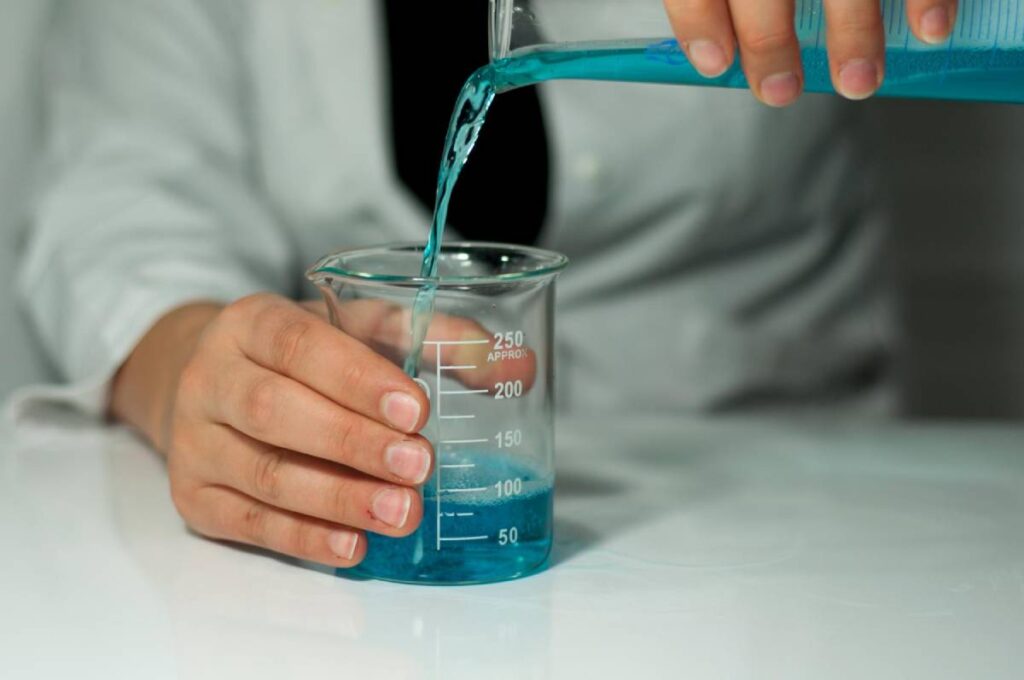
Understanding the Purpose of DEF Fluid Diesel Exhaust Fluid (DEF) plays a vital role in reducing harmful emissions in diesel engines. It is a non-toxic solution composed of 32.5% urea and 67.5% deionized water, used to convert nitrogen oxide (NOx) into harmless nitrogen and water through selective catalytic reduction (SCR). When you decide to make your own DEF fluid, it’s essential to understand this core function to maintain environmental standards. Commercial DEF products meet ISO 22241 specifications, ensuring purity and effectiveness. If you plan to make your own DEF fluid, these specifications should still guide your DIY process to avoid damaging the SCR system or voiding vehicle warranties. Knowing what DEF is and how it works helps ensure your homemade solution can perform its intended function without compromising engine performance or compliance. Ingredients Needed to Make Your Own DEF Fluid To make your own DEF fluid, you’ll need two primary components: pure, automotive-grade urea and deionized or distilled water. The concentration must be precise: 32.5% urea to 67.5% water. Any deviation could cause issues in the SCR system. Using technical or agricultural-grade urea is not recommended as it may contain impurities. When you make your own DEF fluid, purity is critical—both the urea and water must be free of contaminants. For water, avoid tap water due to its mineral content. Use only distilled or deionized water to prevent scaling or damage. These ingredients must be stored properly and mixed with clean equipment to maintain the required level of cleanliness and quality. Mixing Process and Safety Measures The process to make your own DEF fluid is simple but must be executed with care. Measure 325 ml of urea and 675 ml of deionized water to create one liter of DEF. Use a clean, chemical-resistant container to combine the ingredients. Stir slowly to dissolve the urea completely. Avoid direct contact with urea and always wear gloves and safety goggles during preparation. When you make your own DEF fluid, store the final product in a cool, shaded area away from sunlight. Exposure to heat or contaminants can degrade the solution’s effectiveness. Label the container and keep it sealed tightly. Always clean your tools thoroughly after use to maintain future batch quality and safety. Quality Control and Testing Considerations When you make your own DEF fluid, ensuring quality control is essential. Commercial DEF undergoes rigorous testing for concentration, contaminants, and performance. While home testing is limited, there are handheld DEF refractometers that can verify urea concentration. You can also check the pH level, which should range between 9.0 and 10.0. If you make your own DEF fluid frequently, investing in basic testing tools is recommended to prevent long-term damage to your vehicle. Remember that off-spec DEF can clog injectors, reduce SCR effectiveness, and even trigger error codes. Keeping your homemade DEF within standard parameters ensures both environmental compliance and engine reliability. Legal and Warranty Implications Before deciding to make your own DEF fluid, it’s important to consider legal and warranty-related consequences. Many vehicle manufacturers require ISO 22241-compliant DEF, and using unapproved fluids can void warranties. While it is technically legal to make your own DEF fluid for personal use, distributing or selling it without certification is not. Furthermore, emission compliance checks may fail if improper DEF is used, leading to penalties. Always read your vehicle’s manual and consult your manufacturer before switching to DIY solutions. The cost savings of homemade DEF should be weighed against potential risks and long-term impacts on your diesel engine and legal standing. Storage, Shelf Life, and Maintenance Once you make your own DEF fluid, proper storage is vital to maintain its effectiveness. DEF should be kept between 12°F and 86°F (–11°C to 30°C) and protected from sunlight. Freezing is reversible, but repeated cycles can affect the solution. When you make your own DEF fluid, label the container with the production date. Typically, DEF has a shelf life of one year if stored correctly. Avoid metal containers that can corrode and contaminate the fluid. Use HDPE or approved plastic tanks for safe storage. Periodically inspect the solution for sediment or discoloration, which are signs of contamination or degradation. Only use clean funnels and containers when transferring DEF to avoid introducing foreign particles. Cost Benefits and Environmental Considerations One of the main reasons people choose to make your own DEF fluid is cost. Commercial DEF can be relatively expensive over time, especially for fleet operators or those in remote areas. DIY production offers significant savings when done correctly. However, when you make your own DEF fluid, remember that quality should never be sacrificed for cost. From an environmental standpoint, maintaining DEF availability supports cleaner diesel emissions and aligns with sustainability goals. Producing it yourself also reduces transportation emissions associated with commercial supply chains. Yet, always ensure that your homemade DEF meets all quality standards to avoid negatively affecting your vehicle or the environment. Conclusion Learning how to make your own DEF fluid can be a practical and cost-effective solution for diesel vehicle owners. With the right ingredients, proper procedures, and a focus on quality control, it is possible to produce DEF at home that meets industry standards. However, caution must be exercised to avoid damaging sensitive emission systems or violating manufacturer warranties. The benefits—economic and environmental—are substantial when DIY DEF is done responsibly. As awareness around emission regulations grows, the ability to make your own DEF fluid offers flexibility and autonomy to those who need consistent access to this essential resource. Always prioritize safety, accuracy, and compliance to get the most out of your homemade DEF. Frequently Asked Questions Is it legal to make your own DEF fluid? Yes, for personal use it is generally legal, but selling it requires certification. Can I use tap water to make DEF? No, only distilled or deionized water should be used to avoid contamination. What is the ideal urea concentration in DEF? It should be exactly 32.5% urea to 67.5% water. Does homemade DEF void engine warranties? Yes, if it doesn’t meet
Make Your Own DEF Fluid: A Simple DIY Guide
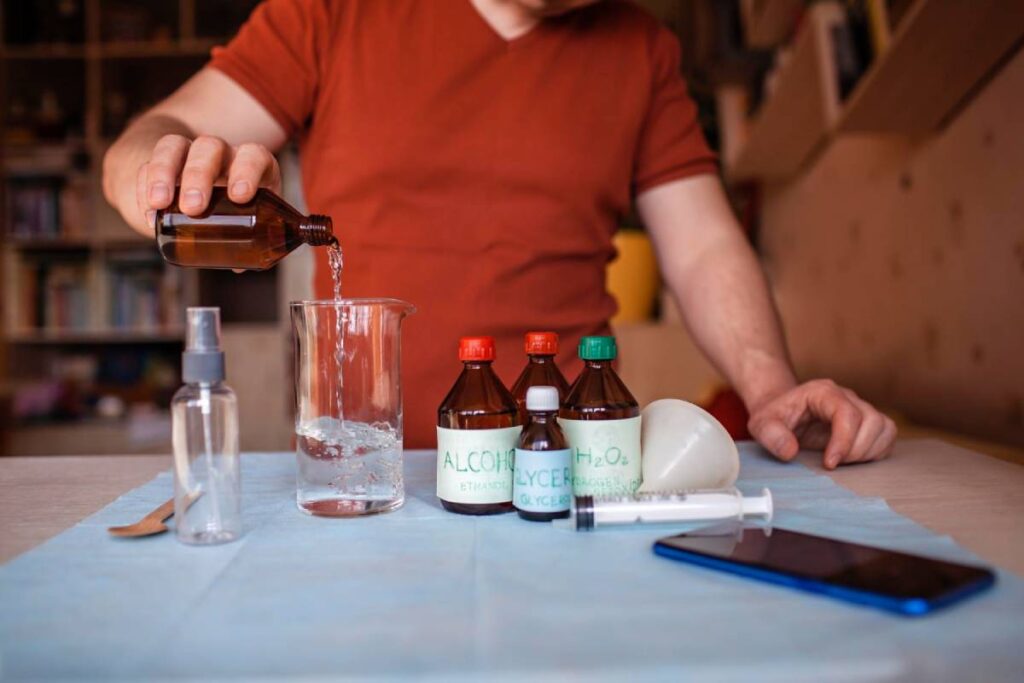
What Is DEF Fluid and Why It Matters Diesel Exhaust Fluid (DEF) is an essential component in modern diesel engines, used to reduce harmful nitrogen oxide emissions. It works in conjunction with the Selective Catalytic Reduction (SCR) system to convert toxic NOx gases into harmless nitrogen and water. When you choose to make your own DEF fluid, it’s important to understand the function and role it plays in protecting the environment. Creating a reliable alternative to commercial products requires knowledge of its chemical makeup—32.5% high-purity urea and 67.5% deionized water. If you intend to make your own DEF fluid, replicating this ratio accurately is vital for ensuring compatibility with your vehicle’s emission system. Understanding the purpose of DEF helps you appreciate why quality and consistency are crucial in your homemade version. Required Materials to Make Your Own DEF Fluid To make your own DEF fluid at home, you need access to two key ingredients: high-grade urea and deionized water. Agricultural or technical-grade urea may contain impurities, so it’s essential to use automotive-grade urea that meets the ISO 22241 standard. Similarly, regular tap water should be avoided due to the risk of mineral contamination. Only deionized or distilled water should be used. If you plan to make your own DEF fluid consistently, it’s worth investing in proper storage containers and clean mixing tools to maintain quality. Ensure all equipment is sanitized and that your workspace is free from dust or residue that could compromise the mixture. These precautions are critical to producing a safe, functional DEF solution. Step-by-Step Mixing Instructions The process to make your own DEF fluid is relatively straightforward but must be handled with precision. Start by measuring 325 milliliters of pure urea and 675 milliliters of deionized water. Pour the water into a clean container first, followed by the urea. Stir the mixture slowly and steadily until the urea is fully dissolved, ensuring an even blend. If you attempt to make your own DEF fluid using incorrect ratios or contaminated tools, you risk creating a solution that could damage your engine’s SCR system. Always mix in a well-ventilated area and wear gloves and safety glasses to protect yourself. Accuracy, cleanliness, and attention to detail are the keys to a successful DIY DEF batch. Quality Assurance and Testing Your DEF When you make your own DEF fluid, quality assurance becomes your responsibility. Commercial DEF products undergo strict laboratory testing for concentration and purity. While you may not have access to advanced lab equipment, handheld refractometers are affordable tools that can measure urea concentration and confirm it’s close to 32.5%. Regularly test pH levels as well; they should fall between 9.0 and 10.0. If you make your own DEF fluid regularly, investing in such tools will ensure your solution remains effective and safe for engine use. Without proper testing, homemade DEF could cause injector clogs, sensor failures, or costly engine repairs. Testing helps you catch and correct problems before they cause damage. Storage Guidelines and Shelf Life After you make your own DEF fluid, it’s crucial to store it correctly to maintain its effectiveness. DEF is sensitive to temperature and light. It should be kept between 12°F and 86°F (–11°C to 30°C) in a sealed, opaque plastic container made of HDPE material. Exposure to sunlight or extreme temperatures can degrade the fluid. When you make your own DEF fluid, label the container with the production date and avoid repeated freezing and thawing, which may reduce quality. Generally, DEF has a shelf life of one year under proper storage conditions. Inspect it periodically for discoloration or particulates that may indicate contamination. Clean storage practices are essential for maintaining integrity. Risks and Warnings You Should Know There are important risks associated when you make your own DEF fluid, especially if the fluid does not meet industry specifications. Incorrect concentration, impurities, or improper storage can damage your vehicle’s emission system and trigger dashboard warnings. If SCR components are compromised, repair costs can be substantial. Before you decide to make your own DEF fluid, review your vehicle’s warranty and consider whether using homemade DEF will void it. Moreover, regulatory implications may apply depending on your region. While personal use is generally permitted, commercial distribution is not. Knowing these risks in advance can help you take precautions and ensure a safer and more informed DIY experience. Advantages of DIY DEF Production Despite the risks, many users choose to make your own DEF fluid because of the potential for cost savings and accessibility. Commercial DEF can be expensive and harder to find in remote areas. Producing your own fluid reduces dependency on supply chains and gives you more control. If you make your own DEF fluid correctly, the results can match those of commercial products at a fraction of the cost. This can be especially beneficial for fleet operators or off-grid users. Moreover, there’s an environmental advantage—producing fluid locally reduces the carbon footprint associated with transportation. The key is ensuring your DIY efforts meet all necessary standards for safety and performance. Conclusion Choosing to make your own DEF fluid can be a practical and rewarding option for those seeking control over their diesel maintenance. With accurate measurements, proper materials, and attention to detail, DIY DEF can function similarly to commercial solutions. However, the risks of using subpar ingredients or deviating from industry standards must not be underestimated. If you decide to make your own DEF fluid, make sure you follow guidelines rigorously and test your solution frequently. Doing so ensures your engine remains compliant and efficient while avoiding costly damage. With careful preparation and consistent quality checks, homemade DEF can be both an economical and environmentally conscious solution for diesel engine users. Frequently Asked Questions Can I make my own DEF fluid legally? Yes, for personal use it is generally legal, but commercial sales are restricted. What type of urea should I use? Use only high-purity automotive-grade urea that meets ISO 22241 standards. Can I substitute tap water for deionized water? No, tap water contains
Obtaining a VDA License: A Comprehensive Guide
1. What is a VDA License? The VDA license (Verband der Automobilindustrie) is essential for companies aiming to comply with automotive industry standards. 2. Why is VDA Certification Important? Obtaining VDA certification demonstrates adherence to quality management and boosts credibility in the automotive market. 3. Who Needs a VDA License? Manufacturers, suppliers, and service providers in the automotive sector typically require a VDA license. 4. Prerequisites for Obtaining a VDA License Understanding the prerequisites like quality management systems (ISO 9001, IATF 16949) is crucial. 5. Step-by-Step Guide to Getting Licensed Follow these detailed steps to streamline your VDA licensing process and ensure compliance. 6. Cost and Duration of the Licensing Process Analyze the typical cost structure and timeline involved in acquiring your VDA license. 7. Key Documentation Required Ensure you prepare all mandatory documents such as audits, company profiles, and certifications ahead of time. 8. Common Challenges During the Application Identify common pitfalls and challenges to avoid delays in your licensing procedure. 9. Maintaining Your VDA Certification Learn how to maintain compliance with ongoing audits and quality checks post-certification. 10. Benefits of Holding a VDA License Discover the competitive advantages such as market recognition and improved partnerships that come with VDA compliance. Frequently Asked Questions (FAQs) How long does it take to receive a VDA license?Typically, it takes around 3-6 months depending on your preparedness and the complexity of your processes. What is the validity of a VDA certificate?A VDA certificate usually remains valid for 3 years, subject to periodic audits. Can a small company obtain a VDA license?Yes, businesses of all sizes can acquire a VDA license provided they fulfill the required quality standards. Is VDA licensing mandatory?While not legally mandatory, many major automotive manufacturers require their suppliers to have VDA certification. What happens if my company fails a VDA audit?You can usually address issues identified during audits within a specified timeframe and request a re-audit.


